Custom Sewing Machines for Specialized Production

All Categories

custom sewing machines

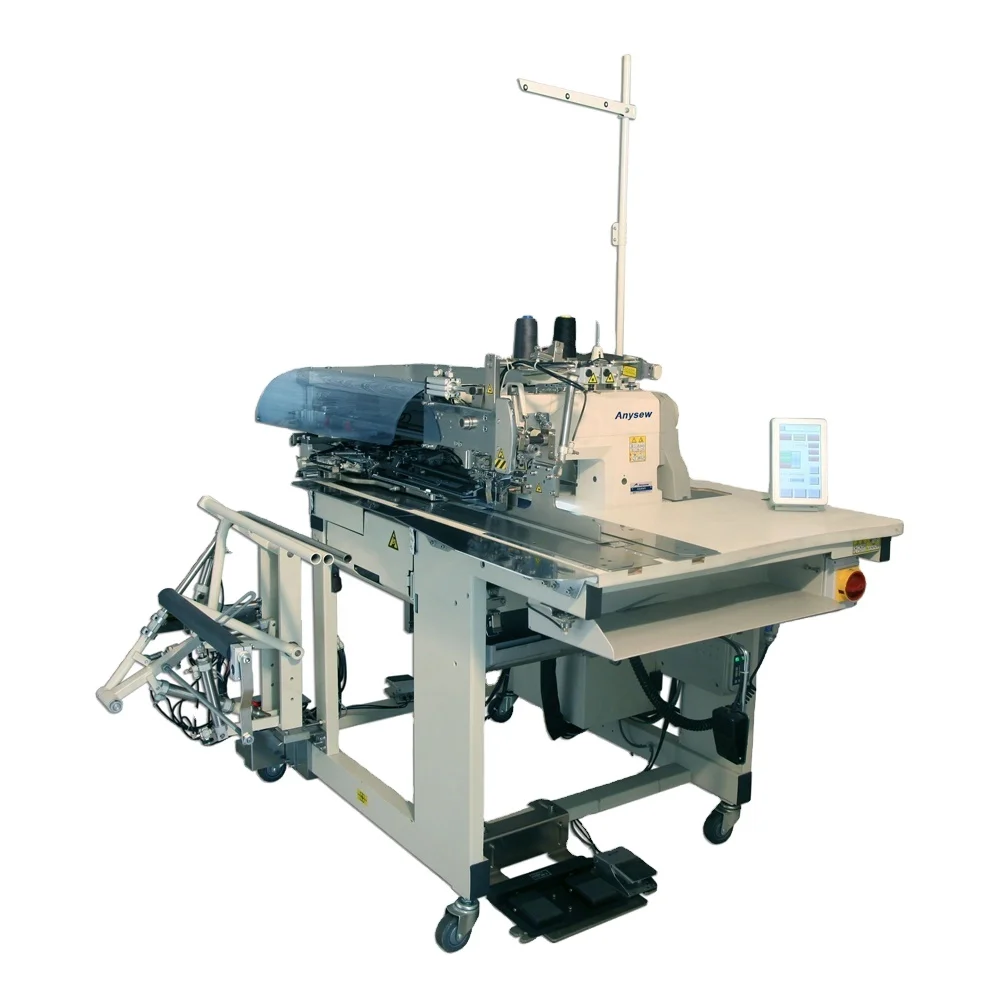
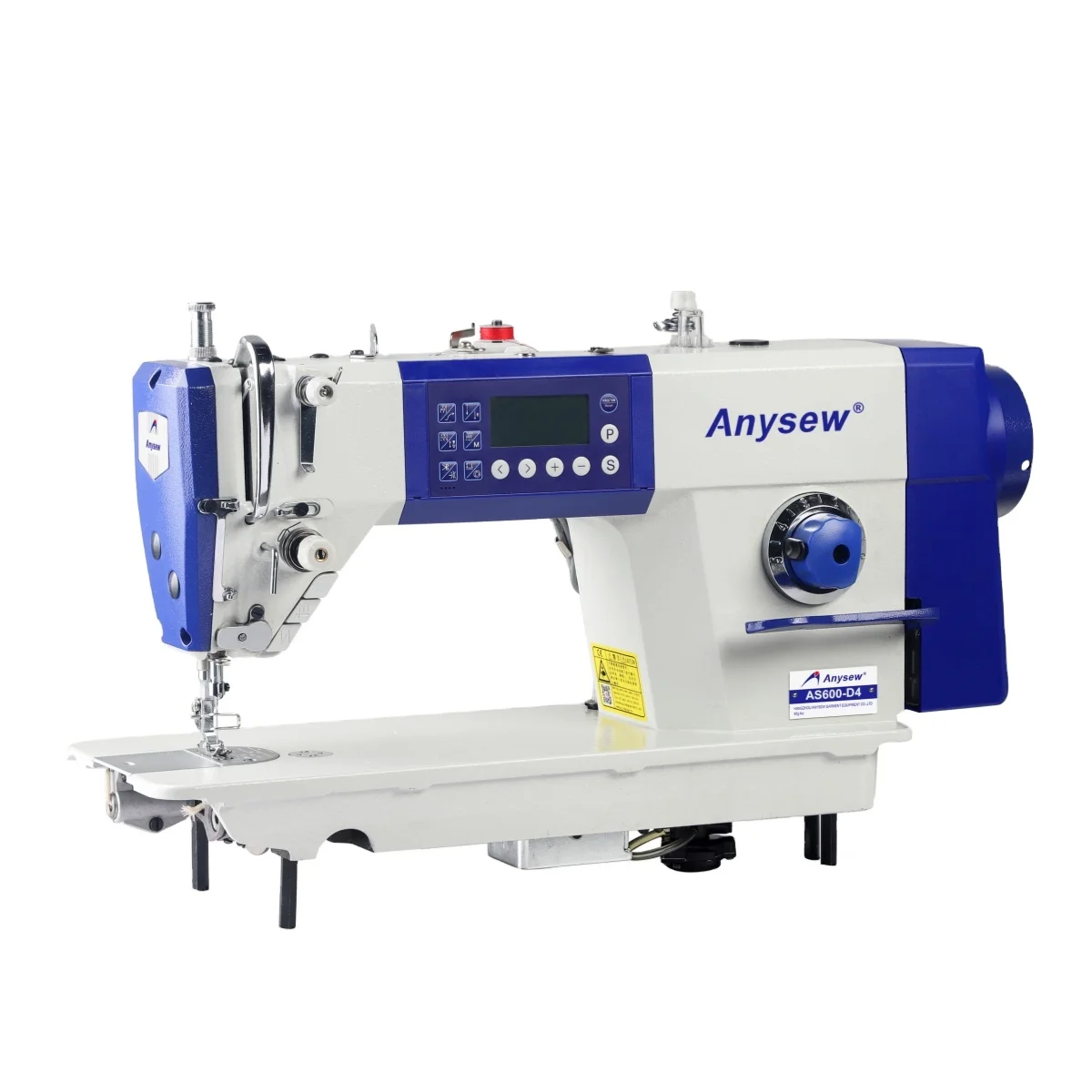
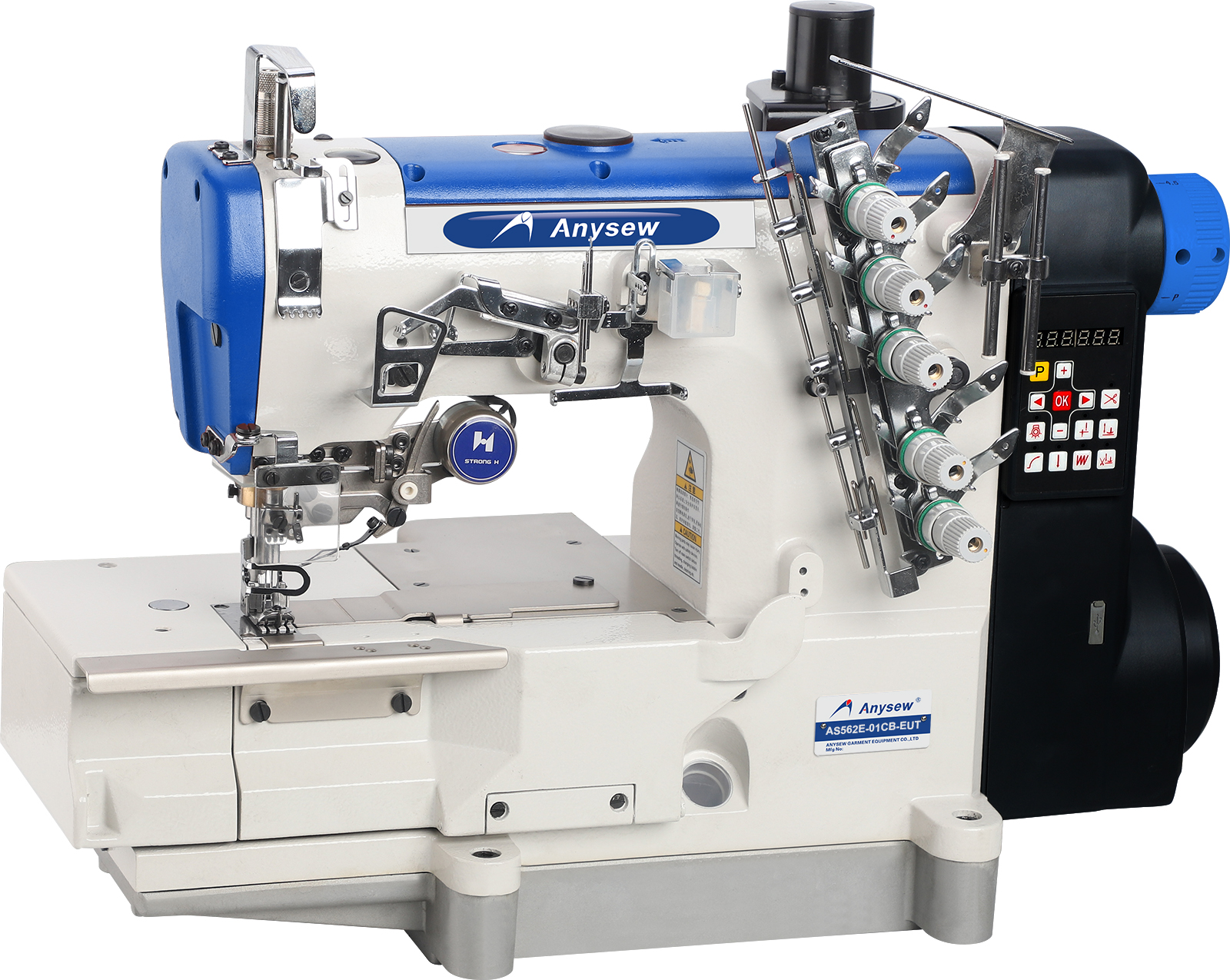
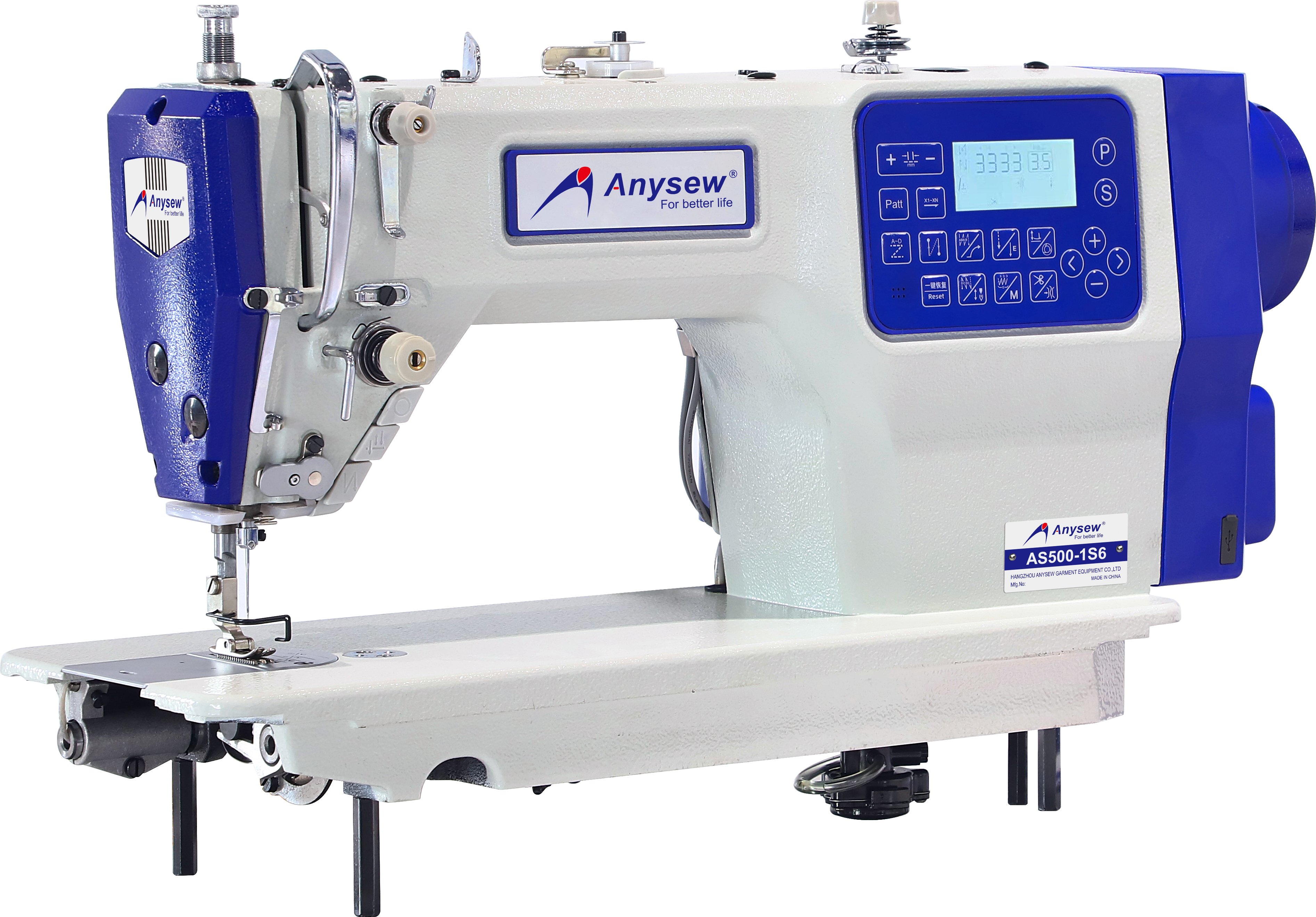
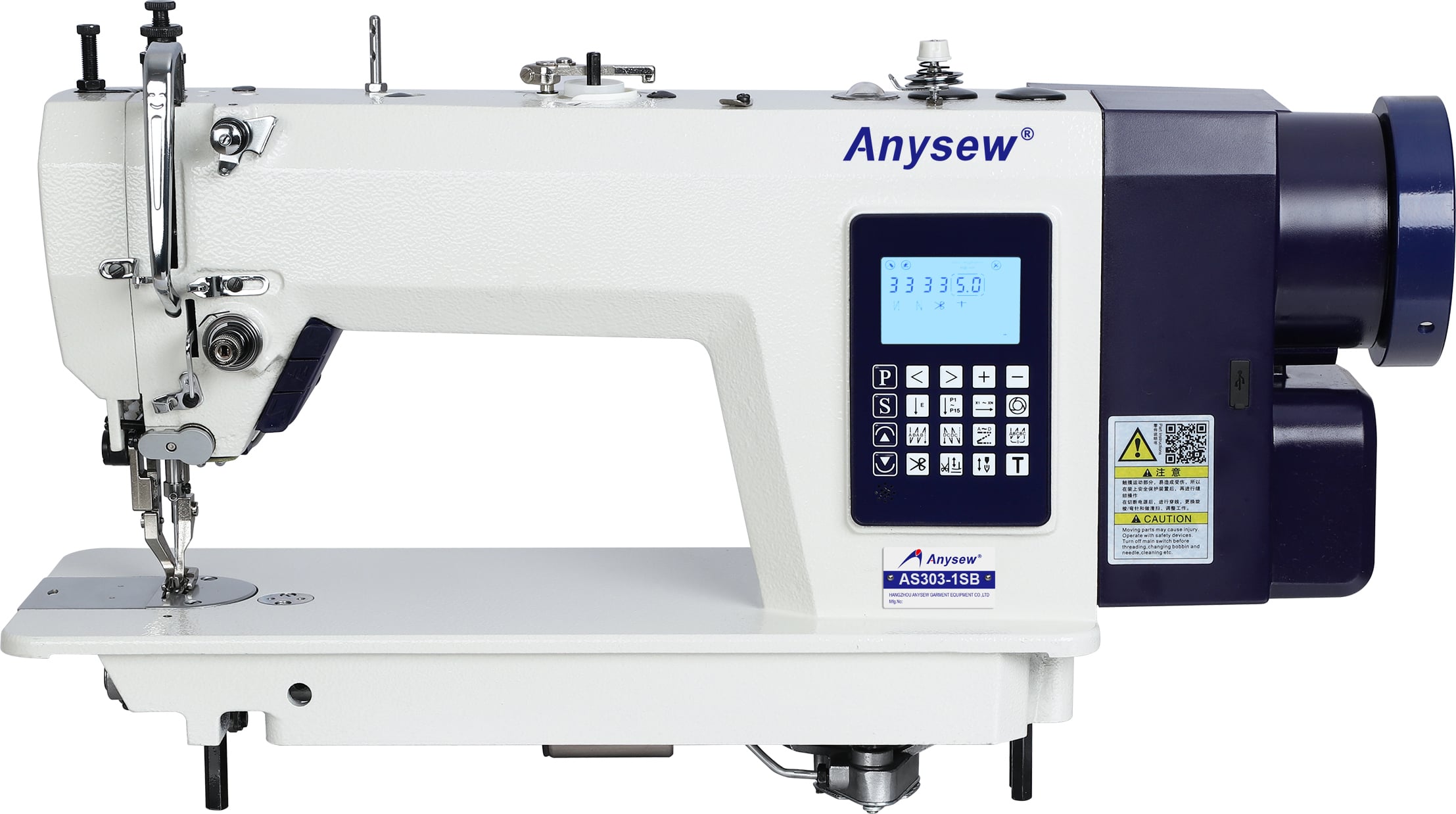
Custom sewing machines are specialized industrial equipment designed and manufactured to meet specific production requirements that standard sewing machines cannot fulfill. These tailored solutions address unique stitching challenges across various industries, from automotive upholstery to technical textiles and specialty garment manufacturing. Custom sewing machines incorporate advanced engineering modifications, specialized feeding mechanisms, and purpose-built components that align precisely with individual business needs. Unlike off-the-shelf equipment, these machines are configured with specific needle types, thread tensions, presser foot designs, and automation features that match exact production specifications. Manufacturers of custom sewing machines work closely with clients to understand their material types, production volumes, quality standards, and workflow integration requirements. The customization process includes selecting appropriate motor power, bed size configurations, stitch patterns, and control systems that optimize productivity for specific applications. These machines can handle challenging materials such as leather, heavy-duty canvas, composite fabrics, and delicate technical textiles that require precise tension control. Custom sewing machines often feature programmable logic controllers, servo motors for energy efficiency, and ergonomic designs that reduce operator fatigue during extended production runs. They represent strategic investments for businesses seeking competitive advantages through specialized manufacturing capabilities. Whether producing medical textiles, aerospace components, marine upholstery, or specialized footwear, custom sewing machines deliver consistent quality while accommodating unique production demands that generic equipment simply cannot achieve efficiently.

New Product Recommendations

Investing in custom sewing machines provides manufacturers with significant competitive advantages that directly impact profitability and production quality. These specialized machines eliminate the compromises inherent in using standard equipment for non-standard applications, resulting in higher throughput and reduced material waste. Businesses benefit from improved stitch consistency because custom sewing machines are engineered specifically for their materials and product designs, minimizing defects and rework costs. The tailored nature of these machines means operators spend less time making adjustments and more time producing finished goods, directly increasing daily output. Custom sewing machines also extend equipment lifespan because components are selected for specific stress loads and material types rather than generic applications, reducing maintenance frequency and downtime. Companies gain flexibility to accept specialized contracts that competitors with standard equipment cannot efficiently fulfill, opening new revenue streams and market opportunities. The ergonomic customization options available reduce worker fatigue and injury risks, leading to lower turnover and training costs while maintaining experienced staff. Energy efficiency improvements through servo motor integration and optimized mechanical systems lower operational costs compared to conventional industrial sewing equipment. Custom sewing machines provide precise control over stitch parameters, enabling manufacturers to meet stringent quality specifications required in aerospace, medical, and automotive supply chains. The ability to integrate automation features such as thread trimming, fabric positioning, and pattern switching reduces labor requirements while maintaining consistent output quality. Businesses also benefit from ongoing technical support relationships with custom machine manufacturers, ensuring equipment remains optimized as production requirements evolve. These machines represent strategic assets that differentiate manufacturers in competitive markets by enabling capabilities that standard equipment cannot replicate efficiently or economically.

Tips And Tricks

The Ultimate Guide to Choosing the Perfect Cloth Cutting Machine

17

Sep

The Ultimate Guide to Choosing the Perfect Cloth Cutting Machine

The Ultimate Guide to Choosing the Perfect Cloth Cutting Machine Cloth Cutting Machine technology is an essential part of modern garment manufacturing, enabling precise and efficient fabric cutting to meet production demands. Hangzhou Anysew Garment ...
View More
How Do Sewing Machine Parts Affect Performance

21

Oct

How Do Sewing Machine Parts Affect Performance

Understanding the Critical Role of Sewing Machine Components The intricate dance of sewing machine parts working together determines the quality of every stitch, seam, and completed project. Whether you're a professional seamstress or a hobbyist, und...
View More
 What Are the Benefits of High-Speed Industrial Sewing Machines

21

Oct

What Are the Benefits of High-Speed Industrial Sewing Machines

Transforming Modern Manufacturing Through Advanced Sewing Technology The evolution of manufacturing technology has revolutionized the textile and garment industry, with high-speed industrial sewing machines leading the charge. These powerful machines...
View More
 How Does a Heat Press Machine Work for Printing

21

Oct

How Does a Heat Press Machine Work for Printing

Understanding the Magic Behind Heat Press Technology Heat press machines have revolutionized the custom printing industry, offering a reliable and efficient method to transfer designs onto various materials. These versatile devices combine precise te...
View More

Get a Free Quote

Our representative will contact you soon.
Email
Name
Company Name
Message
0/1000

custom sewing machines

Precision Engineering for Specific Applications

Precision Engineering for Specific Applications

Custom sewing machines excel through precision engineering that addresses exact production requirements rather than general-purpose functionality. Manufacturers collaborate with clients to analyze material properties, product geometries, and quality standards before designing machine specifications. This approach results in equipment with optimal needle penetration force, precisely calibrated thread tension systems, and feeding mechanisms matched to fabric weight and texture. The customization extends to work surface dimensions, allowing accommodation of oversized components or intricate small parts that standard machines cannot handle effectively. Specialized presser feet designs maintain consistent material contact during stitching, preventing puckering on delicate fabrics or slippage on heavy materials. Thread path configurations are optimized to reduce friction and breakage, particularly important when working with technical threads such as bonded nylon, PTFE-coated varieties, or metallic decorative threads. The precision engineering inherent in custom sewing machines ensures that every component works synergistically to produce consistent stitch quality across production runs, eliminating variables that cause defects in standard equipment applications. This tailored approach transforms sewing operations from constant troubleshooting exercises into predictable, reliable manufacturing processes that meet demanding quality specifications consistently.
Enhanced Productivity Through Workflow Integration

Enhanced Productivity Through Workflow Integration

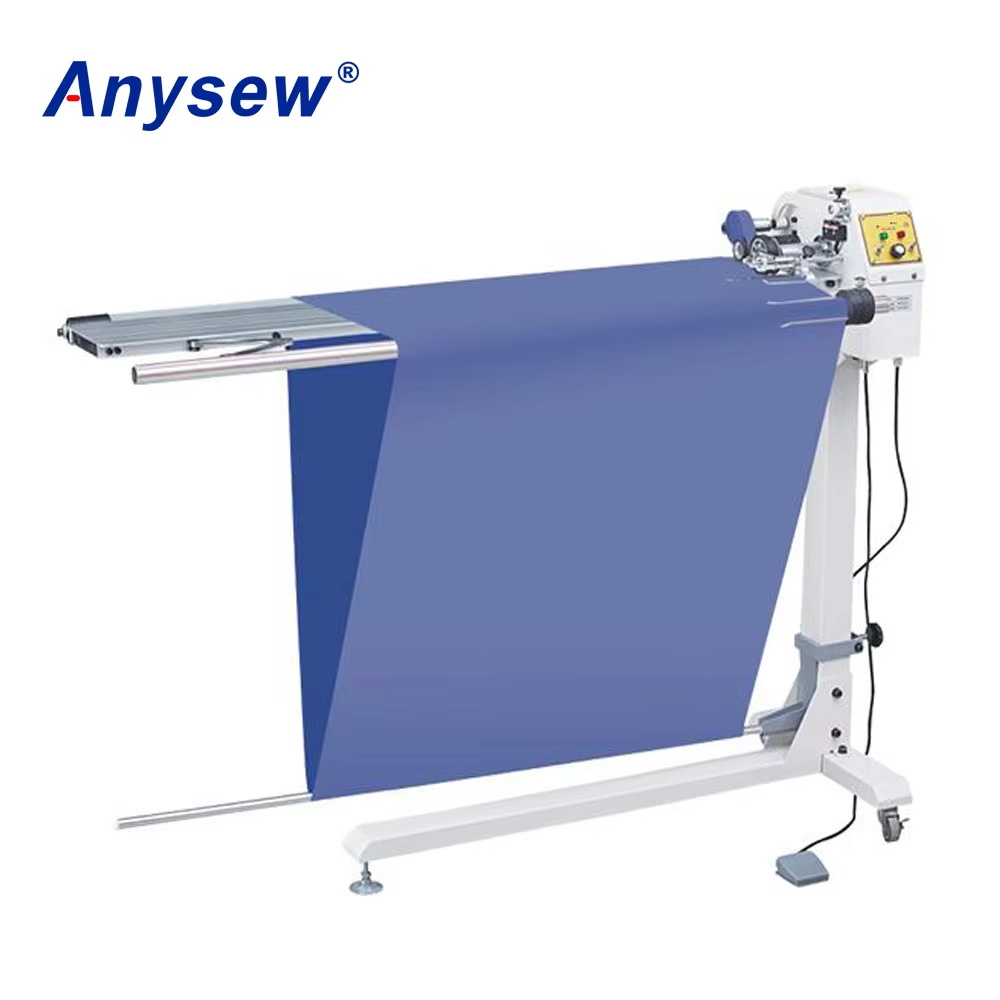
Custom sewing machines dramatically improve productivity by integrating seamlessly into existing production workflows rather than forcing operations to adapt to equipment limitations. Manufacturers design these machines with specific automation levels that match available labor skills and production volumes, from semi-automated assistance features to fully programmable systems. Customized work tables, material positioning guides, and integrated cutting or trimming functions eliminate secondary operations that consume time and labor in conventional setups. Programmable pattern memory allows operators to switch between product variations instantly without manual adjustments, reducing changeover time and enabling efficient small-batch production. The integration capabilities extend to upstream and downstream processes, with custom sewing machines designed to accept materials directly from cutting tables or feeding systems and output finished components ready for assembly. Servo motor technology provides instant speed response and precise positioning, enabling operators to maintain consistent quality even when accelerating through straightforward sections and decelerating for intricate details. Ergonomic customization reduces physical strain through optimized working heights, intuitive control placements, and reduced vibration levels, allowing operators to maintain peak performance throughout shifts. This comprehensive approach to workflow integration transforms custom sewing machines from isolated production tools into central components of efficient manufacturing systems that maximize output while maintaining quality standards.
Long-Term Value and Adaptability

Long-Term Value and Adaptability

Custom sewing machines deliver exceptional long-term value through robust construction, component quality, and adaptability that standard equipment cannot match. These machines are built with industrial-grade components selected for specific operational stresses rather than cost-optimized parts designed for general applications, resulting in extended service life and reduced replacement frequency. The customization process includes future-proofing considerations, with modular designs that allow upgrades as production requirements evolve without replacing entire machines. Manufacturers benefit from established relationships with custom machine builders who provide ongoing technical support, spare parts availability, and modification services that extend equipment utility across changing market demands. The specialized nature of custom sewing machines means they retain functionality and value even as production requirements shift, because their core capabilities remain relevant to specific material types and applications rather than becoming obsolete through general market trends. Energy efficiency features reduce operational costs over equipment lifetimes, with servo motors and optimized mechanical systems consuming significantly less power than conventional clutch motor systems. The investment in custom sewing machines represents strategic capital allocation that improves competitive positioning, enables premium product offerings, and provides manufacturing capabilities that create barriers to entry for competitors relying on standard equipment. This combination of durability, adaptability, and specialized capability ensures custom sewing machines deliver returns that justify initial investments through sustained productivity advantages and operational cost reductions.

Get a Free Quote

Our representative will contact you soon.
Email
Name
Company Name
Message
0/1000