
 EN
EN
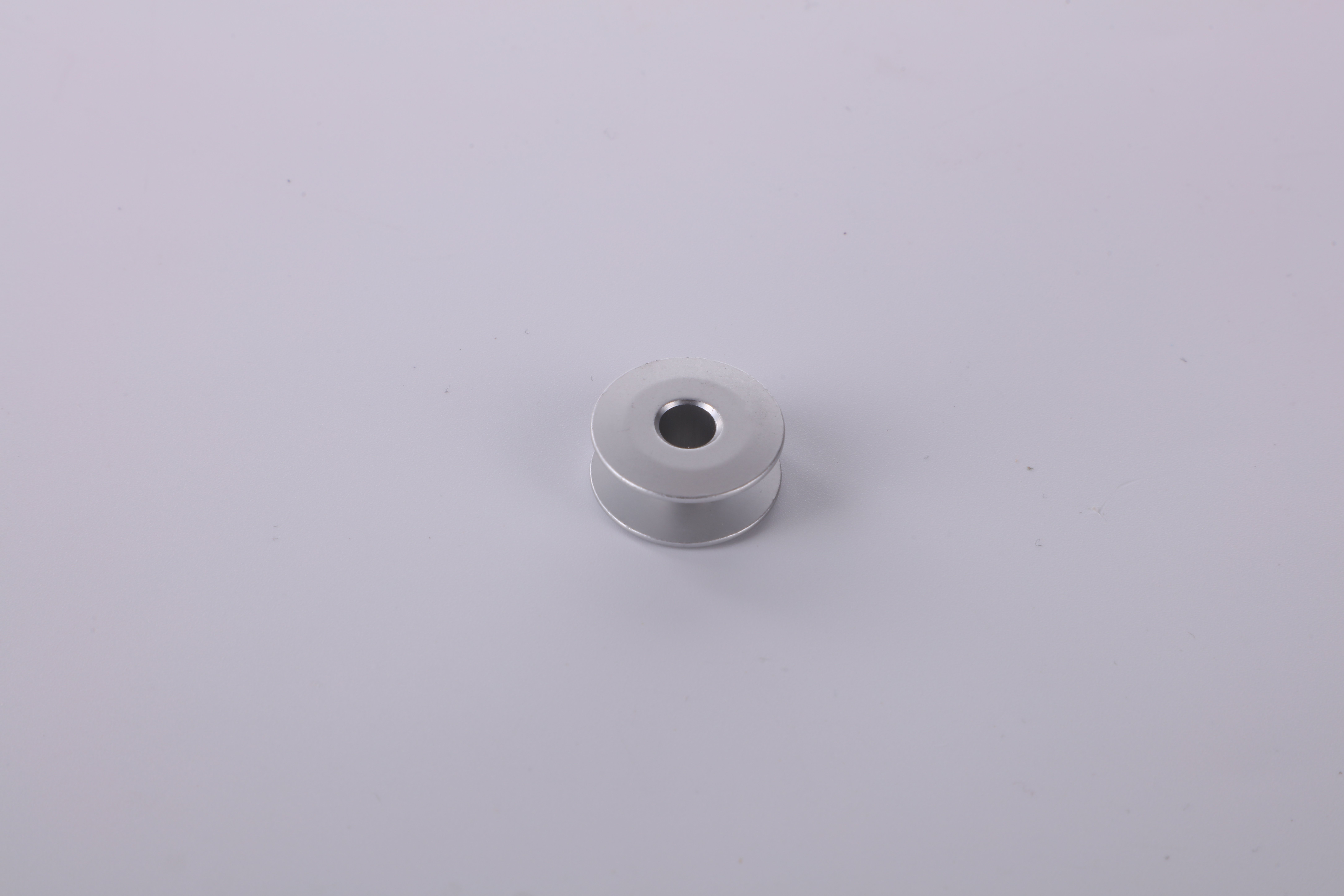
A bobbin is one of the most essential yet often overlooked components in any sewing machine. This small, cylindrical spool holds the lower thread that works in conjunction with the upper thread to form secure, balanced stitches. Understanding how a bobbin functions within your sewing machine is fundamental to achieving consistent sewing results, troubleshooting thread issues, and maintaining your equipment properly. Whether you are a hobbyist or a professional sewist, recognizing the bobbin's role will significantly improve your sewing experience and help you produce higher-quality garments and projects.
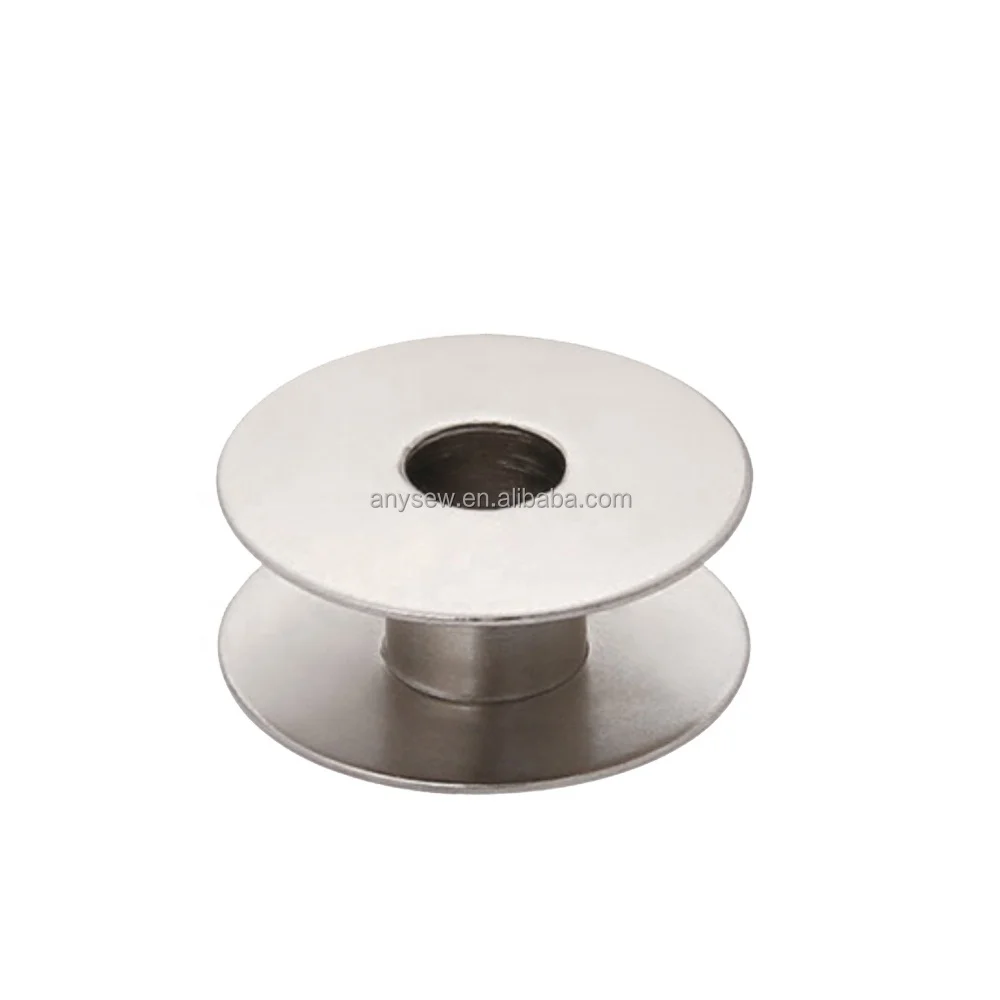
Every stitch created by a sewing machine depends on the precise interaction between the bobbin and the upper thread mechanism. The bobbin sits in the bobbin case beneath the sewing machine's needle plate, where it rotates and releases thread in a controlled manner. This coordinated movement allows the upper needle thread and lower bobbin thread to interlock, forming the interlocking stitch pattern that holds fabric layers together. When a bobbin is properly wound, correctly inserted, and maintained, it enables smooth, tension-balanced stitching. Conversely, problems with the bobbin often manifest as skipped stitches, loose loops, or uneven stitch quality, making proper bobbin knowledge critical for any sewist.
Understanding Bobbin Construction and Components
Bobbin Design and Material Specifications
The bobbin is engineered as a precision component with specific physical dimensions tailored to each sewing machine model. Most bobbins feature a plastic or metal construction with a cylindrical spool body designed to hold a predetermined amount of thread. The bobbin's diameter, height, and core size vary between machine types, which is why using the correct bobbin type for your specific sewing machine is essential. A steel bobbin or plastic bobbin may be specified depending on your machine's design, tension system, and intended use. Understanding your machine's bobbin specifications ensures compatibility and prevents mechanical issues that can damage the sewing machine's internal components.
Bobbin Capacity and Thread Load
The amount of thread a bobbin can hold directly affects how long you can sew before needing to replace or rewind it. A properly wound bobbin should be wound evenly and tightly to maximize thread capacity while maintaining consistent tension throughout the sewing process. An under-wound bobbin may run out of thread too quickly, interrupting your sewing workflow, while an over-wound bobbin can create excessive tension and cause thread breakage. The bobbin's design allows for optimal thread distribution across its surface, and respecting the bobbin's capacity limits helps maintain stable stitch formation and prevents mechanical strain on the sewing machine's rotation system.
How the Bobbin Creates and Maintains Stitch Formation
Thread Interlocking Mechanism in the Bobbin System
The fundamental purpose of the bobbin in a sewing machine is to supply the lower thread that interlocks with the upper needle thread to form each stitch. As the needle penetrates the fabric and moves upward, the upper thread creates a loop. The bobbin, positioned in its case directly below the needle plate, rotates at precisely controlled speeds to feed lower thread into this loop at the exact moment needed. This interlocking creates the characteristic lock that binds the two threads together and secures them within the fabric layers. The timing and tension of the bobbin's thread release must be perfectly synchronized with the needle's motion, which is why even slight bobbin misalignment or tension irregularities can disrupt stitch quality.
Tension Regulation Through Bobbin Thread Delivery
The bobbin plays a critical role in regulating lower thread tension, which directly affects the appearance and durability of finished stitches. Most sewing machines feature a bobbin case with tension springs or adjustment mechanisms that control how tightly the bobbin thread is released. When the bobbin tension is correctly balanced with the upper thread tension, stitches appear evenly formed with the threads properly locked inside the fabric. If the bobbin tension is too loose, the upper thread will pull excessively, creating loops on the fabric's underside. Conversely, if the bobbin tension is too tight, the lower thread pulls too firmly, causing puckering or uneven stitch appearance on the fabric's top surface. Mastering bobbin tension adjustment is essential for producing professional-quality sewn items.
Bobbin Maintenance, Troubleshooting, and Best Practices
Proper Bobbin Winding and Insertion Techniques
Maintaining a bobbin in optimal condition begins with proper winding technique on your sewing machine's bobbin winder. The bobbin should be wound slowly and evenly to ensure consistent thread distribution without creating pressure spots or tension irregularities. Once wound, the bobbin must be inserted into the bobbin case with the thread tail secured properly according to your machine's specifications. Incorrect bobbin insertion is one of the most common causes of thread tension problems and skipped stitches. Many sewists underestimate how significantly proper bobbin insertion affects sewing results, yet this simple practice can eliminate numerous stitching issues and extend the lifespan of your bobbin and sewing machine.
Identifying and Resolving Common Bobbin-Related Issues
When sewing problems arise, the bobbin is often the source of the issue, making systematic bobbin troubleshooting an important skill. Thread breakage, skipped stitches, and erratic stitch quality frequently indicate bobbin tension problems, improper bobbin winding, or use of an incompatible bobbin type. A damaged or worn bobbin can scratch thread, creating weak points that lead to breakage. Lint and thread debris accumulation in the bobbin case also disrupts smooth bobbin rotation and thread feeding. Regular cleaning of the bobbin case with a small brush removes accumulated lint and keeps the bobbin mechanism functioning smoothly. Additionally, replacing old or damaged bobbins with quality replacements, such as a properly rated steel bobbin or plastic bobbin appropriate for your machine, ensures consistent performance and prevents frustrating interruptions during sewing sessions.
FAQ
What happens if I use the wrong type of bobbin in my sewing machine?
Using an incorrect bobbin type can cause serious problems in your sewing machine's function. An incompatible bobbin may not fit properly in the bobbin case, causing misalignment and mechanical friction that disrupts smooth thread feeding. This misalignment prevents the bobbin from rotating at the correct speed and angle, which disrupts the interlocking mechanism and produces skipped stitches or uneven tension. Additionally, a wrong-sized bobbin can damage the sewing machine's internal components or cause thread to wrap around the bobbin case, potentially requiring professional repair. Always consult your sewing machine's manual to identify the correct bobbin specifications, and use only compatible bobbins designed for your specific machine model.
How often should I replace my bobbin?
The lifespan of a bobbin depends on frequency of use, sewing techniques, and fabric types you work with. A bobbin that receives regular use should be inspected quarterly for signs of wear, scratches, or warping that could affect thread feeding. Most sewists benefit from maintaining several bobbins in rotation, allowing worn bobbins to be replaced before they compromise stitch quality. If you notice thread breakage, skipped stitches, or visible damage on your bobbin, replace it immediately with a new one. Many experienced sewists recommend keeping backup bobbins on hand so you can swap out a problematic bobbin quickly and continue your project without delay.
Can I rewind the same bobbin multiple times?
Yes, you can rewind the same bobbin multiple times as long as it remains in good condition without scratches, cracks, or warping. Each time you wind a bobbin, inspect it carefully for damage that may have accumulated from previous use. A high-quality bobbin can tolerate many rewinds before needing replacement, making it economical to maintain a collection of reusable bobbins. However, if rewinding exposes surface irregularities or if the bobbin no longer feeds thread smoothly, it is time to replace it with a fresh bobbin to maintain optimal sewing performance and protect your fabric and sewing machine from thread-related problems.