
 EN
Thread breakage is one of the most frustrating issues sewers encounter, and the culprit often lies with the bobbin. Whether you're a professional seamstress or a hobbyist, understanding why your bobbin thread breaks is essential to maintaining smooth, uninterrupted stitching and protecting your machine from damage. A faulty bobbin or improper bobbin setup can halt your project mid-seam and waste valuable time troubleshooting.
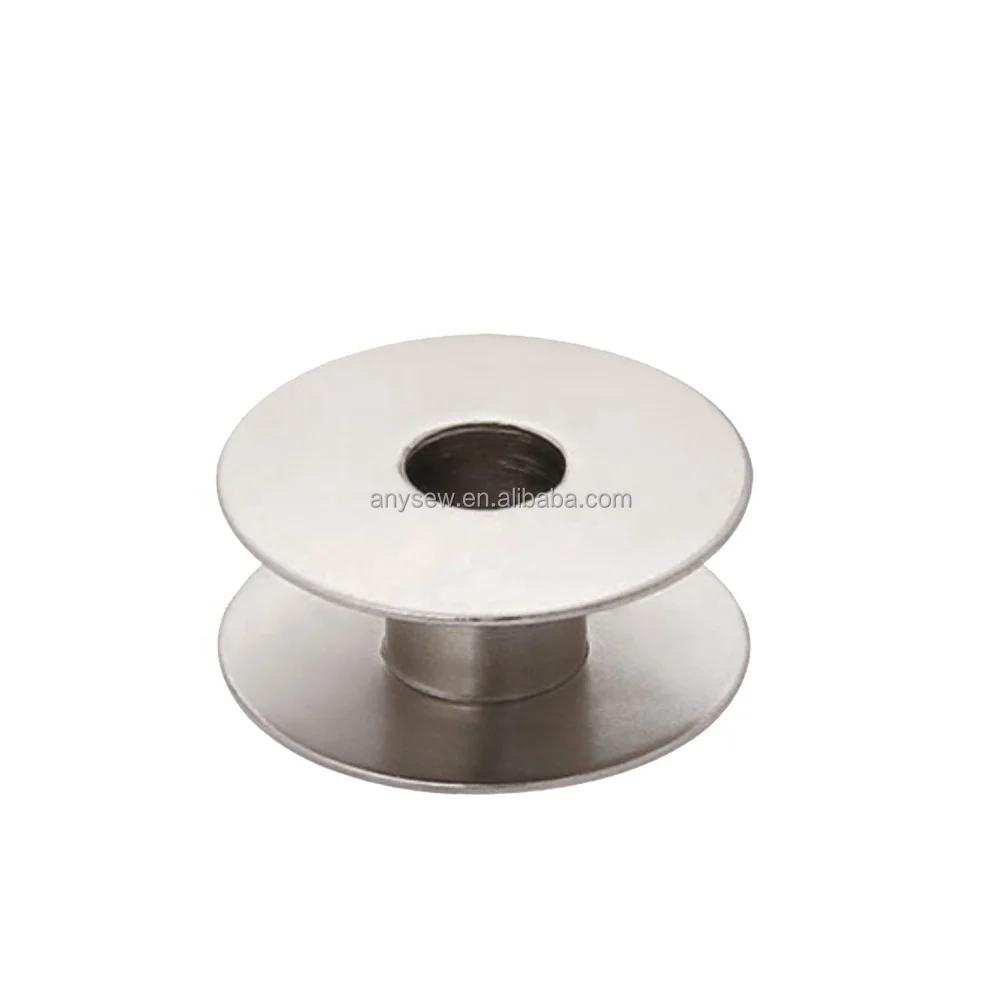
The bobbin is the small spool that holds the lower thread in your sewing machine, and it plays a critical role in creating balanced stitches. When bobbin thread breaks repeatedly, the issue can stem from several mechanical, tension-related, or user-error factors. Identifying the root cause of bobbin thread breakage will help you resolve the problem quickly and prevent future occurrences, ensuring your sewing machine operates reliably for every project.
Understanding Bobbin Tension and Thread Stress
How Bobbin Tension Affects Thread Integrity
The bobbin tension is one of the most common reasons why bobbin thread breaks unexpectedly. Inside your sewing machine, the bobbin sits in a tension disk or bobbin case that applies pressure to the thread, controlling how much thread is released with each stitch. If the bobbin tension is set too tightly, it squeezes the thread excessively, creating stress that eventually leads to breakage. Many sewers don't realize that adjusting the bobbin tension requires precision and understanding of how the tension mechanism works within their specific machine model.
Conversely, if the bobbin tension is too loose, the thread may slip or tangle, creating weak stitches that can snap under pressure. The ideal bobbin tension should feel balanced, allowing thread to flow smoothly without excessive friction or slack. Testing bobbin tension involves pulling the bobbin case by the thread and observing the weight it can support. If the thread breaks under light resistance, your bobbin tension is likely too tight and requires adjustment by a professional or through your machine's manual settings.
Interaction Between Upper and Lower Thread Tensions
Bobbin thread breakage often results from an imbalance between upper thread tension and bobbin thread tension. When the upper tension is set too high, it pulls the bobbin thread harder than it should be pulled, creating excessive strain. This interaction is particularly problematic when sewing thick fabrics or multiple layers, where combined resistance increases the load on the bobbin. Experienced sewers know that adjusting the bobbin tension alone may not solve thread breakage if the upper tension setting is also incorrect.
The bobbin and upper thread must work together harmoniously to create proper tension throughout the stitch formation process. If one side is overcompensating, the other thread experiences unnecessary stress. Achieving balanced tension requires testing on scrap fabric, observing stitch quality, and making incremental adjustments. When bobbin thread breaks consistently on specific fabric types, tension imbalance is usually the first suspect, before investigating mechanical issues.
Bobbin Winding and Installation Problems
Improper Bobbin Winding Techniques
How you wind your bobbin directly impacts its performance and thread durability. Winding the bobbin too tightly creates excessive tension on the thread, making it prone to breaking during stitching. Many sewers wind their bobbins at maximum machine speed without realizing this increases pressure on the thread during the winding process itself. A properly wound bobbin should feel full but not overstuffed, with thread wrapped evenly without lumps, gaps, or loose sections that could cause snagging.
An unevenly wound bobbin creates inconsistent tension as the thread unwinds. If one side of the bobbin is tightly packed while another section is loose, the bobbin will deliver thread unpredictably during stitching. This inconsistency often causes bobbin thread to break suddenly just as you're reaching a critical point in your project. Rewinding your bobbin at a slower speed and ensuring even distribution of thread can eliminate this common source of breakage and improve overall stitch quality.
Bobbin Insertion and Seating Issues
Improper bobbin insertion is another frequent cause of bobbin thread breakage. If the bobbin is not seated correctly in its case, it may tilt, causing the thread to rub against sharp edges or the bobbin case walls. The bobbin must sit perfectly aligned and flat in its housing for thread to unwind smoothly. Many sewers insert their bobbins hastily without ensuring they're fully seated, leading to mysterious breakage that stops only when the bobbin is removed and reinserted properly.
The bobbin case itself can also become damaged or misaligned, creating tiny burrs or rough spots where the thread catches and breaks. Inspect your bobbin case regularly for dents, scratches, or manufacturing defects that could snag thread. If you notice your bobbin thread breaking at a specific point in the rotation, a damaged bobbin case is likely responsible. Replacing the bobbin case or having it professionally serviced can resolve this mechanical cause of thread breakage and restore reliable stitching performance.
Material Quality and Machine Compatibility
Bobbin Thread Quality and Fiber Content
The quality of the bobbin thread itself plays a significant role in preventing breakage. Low-quality bobbin thread is often made from weak or poorly processed fibers that lack the tensile strength needed for consistent stitching. Premium bobbin thread is manufactured with tighter twists and better fiber alignment, making it more resistant to breaking under tension and stress. Investing in quality bobbin thread from reputable manufacturers can eliminate breakage caused by thread weakness rather than machine setup issues.
Different thread materials have different properties and breaking points. Polyester bobbin thread behaves differently from cotton bobbin thread, and specialty threads like monofilament or metallic require specific handling. Using the wrong thread type for your fabric or machine can increase breaking risk. For example, delicate threads on heavy fabrics face extreme stress, while heavy threads wound too tightly become brittle and snap. Matching your bobbin thread material to both your fabric weight and your machine's specifications helps prevent unnecessary breakage.
Bobbin Size and Machine Compatibility
Not all bobbins fit all sewing machines, and using an incompatible bobbin can cause thread breakage. Different machine brands and models use different bobbin sizes and styles, including class 15 bobbins, class A bobbins, and proprietary designs. An incorrectly sized bobbin may not spin smoothly, may rub against the machine casing, or may not tension properly. Always verify that your bobbin matches your specific machine model before assuming thread breakage is a tension or setup problem.
Plastic bobbins, metal bobbins, and vintage bobbins all have different wear patterns and lifespans. A worn-out or damaged bobbin develops rough surfaces that catch and break thread. If you've been using the same bobbin for years without replacement, thread breakage may signal that your bobbin has reached the end of its useful life. Upgrading to a new bobbin specifically designed for your machine model often resolves mystery breakage and restores reliable performance.
FAQ
Why does my bobbin thread break only when sewing thick fabric?
Thick fabrics create more resistance as the needle penetrates, requiring the bobbin to deliver and wind thread under greater stress. If your bobbin tension is set appropriately for lightweight fabrics, it becomes too tight for heavy materials, causing thread to snap. Additionally, improper needle size or dull needles can increase fabric penetration resistance, putting extra strain on the bobbin. Test your tension settings on scrap thick fabric and adjust gradually until breakage stops.
How do I know if my bobbin tension is too tight?
The simplest test is to hang your filled bobbin case by the thread and observe whether it can support its own weight without the thread snapping. A properly tensioned bobbin case should hold without the thread breaking immediately. You can also look at your stitches: if the lower thread is pulling toward the upper fabric surface, your bobbin tension is too tight. Experiment with small tension adjustments and sew test pieces until you achieve balanced, consistent stitches without breakage.
Can a damaged bobbin case cause thread breakage?
Yes, absolutely. A dented, scratched, or misaligned bobbin case creates rough surfaces where thread catches and breaks as it unwinds. Even tiny burrs invisible to the naked eye can snag thread repeatedly. If your bobbin thread breaks at the same point every time or breakage occurs after you've ruled out tension and winding issues, inspect your bobbin case carefully or have it examined by a technician. Replacing or professionally smoothing the bobbin case often eliminates this mechanical source of breakage.