
 EN
EN
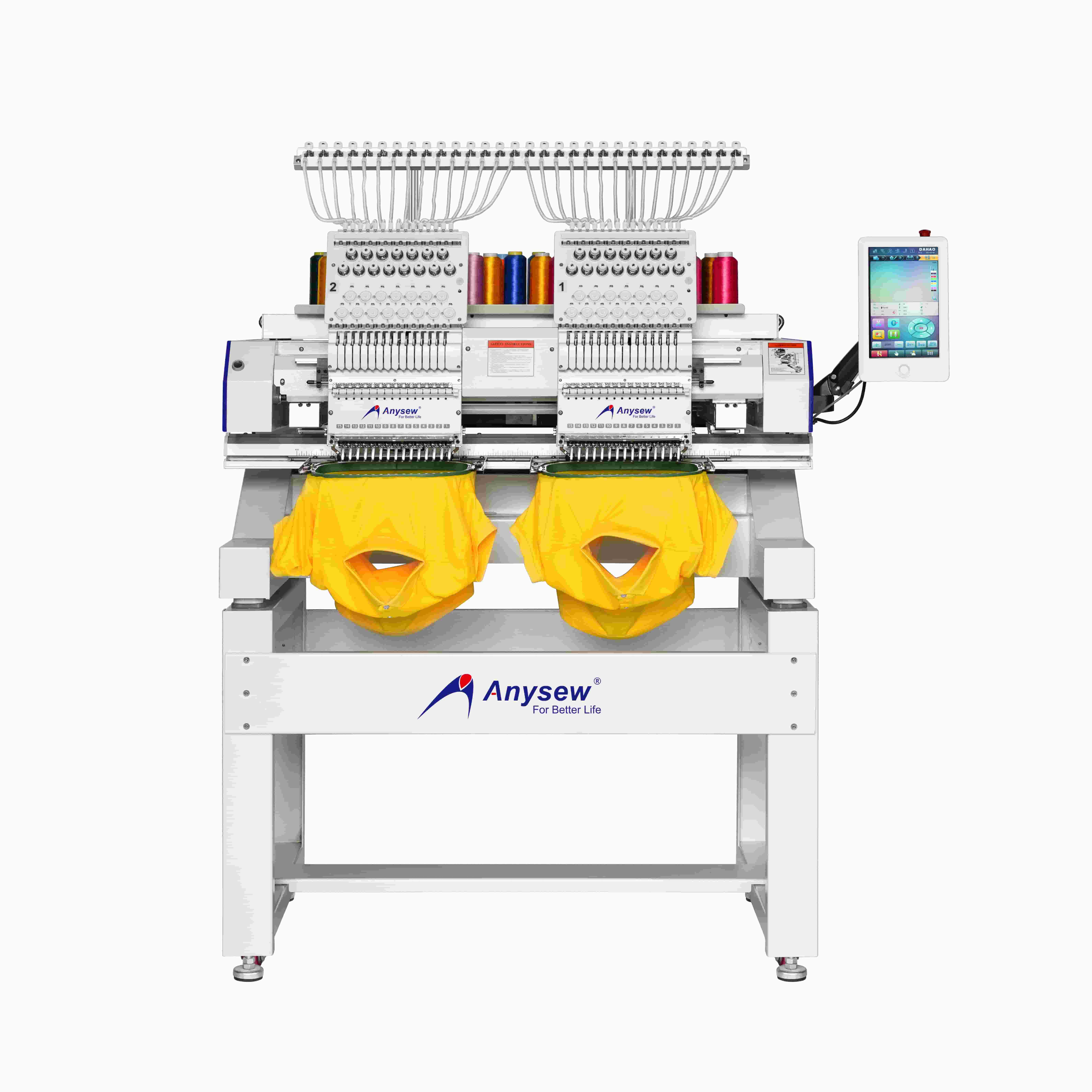
Essential Care Guidelines for Your Embroidery Equipment
Maintaining your embroidery machine is crucial for ensuring consistent, high-quality results and extending its operational lifespan. Whether you're running a small home-based embroidery business or managing a commercial operation, proper embroidery machine maintenance stands as the cornerstone of successful stitching projects. Regular care not only prevents costly repairs but also guarantees that your machine performs at its peak efficiency, delivering the pristine, professional results you and your clients expect.
The intricate nature of embroidery machines, with their numerous moving parts and precision mechanisms, demands a systematic approach to maintenance. From daily cleaning routines to scheduled professional servicing, understanding and implementing proper care procedures will significantly impact your machine's performance and longevity. Let's explore the comprehensive maintenance requirements that will keep your embroidery equipment running smoothly.
Daily Maintenance Procedures
Cleaning After Each Use
The foundation of effective embroidery machine maintenance begins with daily cleaning practices. After completing your projects, remove all loose threads, fabric fibers, and dust from the machine's exterior and working areas. Pay special attention to the bobbin area, needle plate, and tension discs, as these components tend to accumulate debris quickly. Use a small brush or vacuum attachment specifically designed for sewing equipment to reach tight spaces without causing damage.
Thread particles and lint can be particularly problematic if left unattended, as they can work their way into the machine's mechanical components. This accumulation can lead to tension issues, thread breaks, and eventually, more serious mechanical problems. Making these cleaning procedures a daily habit will prevent such complications and ensure consistent stitch quality.
Oil and Lubrication Requirements
Regular oiling is vital for maintaining smooth operation of your embroidery machine's moving parts. Consult your machine's manual for specific oiling points and recommended frequency. Most machines require small amounts of oil applied to designated areas daily or after several hours of use. Use only manufacturer-approved oil, as generic alternatives may not provide adequate protection or could potentially damage sensitive components.
When applying oil, remember that more isn't always better. A single drop at each specified point is typically sufficient. Excess oil can attract dust and debris, creating a paste-like substance that impedes proper function. After oiling, run the machine without thread for a few minutes to allow the lubricant to distribute evenly throughout the mechanism.
Weekly Maintenance Tasks
Deep Cleaning Procedures
Weekly maintenance should include a more thorough cleaning of your embroidery machine. Remove the needle plate and bobbin case to access areas that may be missed during daily cleaning. Use compressed air carefully to blow out accumulated debris from hard-to-reach spaces, being mindful not to force dirt deeper into the machine. Check and clean the thread path, ensuring smooth thread flow through all guides and tension discs.
Inspect and clean the rotary hook assembly, as this area is crucial for proper stitch formation. Any buildup here can cause skipped stitches or thread breaks. Use your machine's manual as a guide for proper disassembly and reassembly of components to avoid potential damage during cleaning.
Tension and Timing Checks
Weekly checks of thread tension and timing help maintain stitch quality. Test the upper and lower thread tensions using scrap fabric similar to your project materials. Proper tension results in balanced stitches with no loops on either side of the fabric. If adjustments are needed, make them incrementally and test after each change.
Monitor the timing relationship between the needle and hook, as this synchronization is essential for proper stitch formation. While timing adjustments typically require professional service, regular observation can help identify potential issues before they cause significant problems.
Monthly and Quarterly Service Requirements
Professional Inspection Points
Schedule comprehensive inspections of your embroidery machine every three months or sooner if you notice any performance changes. A qualified technician should examine the electrical components, motor function, and computerized systems. They can identify wear patterns, potential problems, and perform necessary adjustments before minor issues develop into major repairs.
During these inspections, have the technician check the machine's calibration, update any software if required, and verify that all safety features are functioning correctly. Regular professional maintenance helps prevent unexpected downtime and ensures your machine operates at optimal efficiency.
Parts Replacement Schedule
Certain components of your embroidery machine require regular replacement, regardless of their apparent condition. Needles should be changed after approximately 15-20 hours of use or when signs of wear appear. Maintain a log of operating hours to track when replacements are due. Consider keeping a stock of commonly needed parts to avoid project delays.
Other items like bobbin cases, presser feet, and thread guides may need replacement based on usage patterns and wear indicators. Following manufacturer recommendations for parts replacement helps prevent unexpected failures and maintains consistent stitch quality.
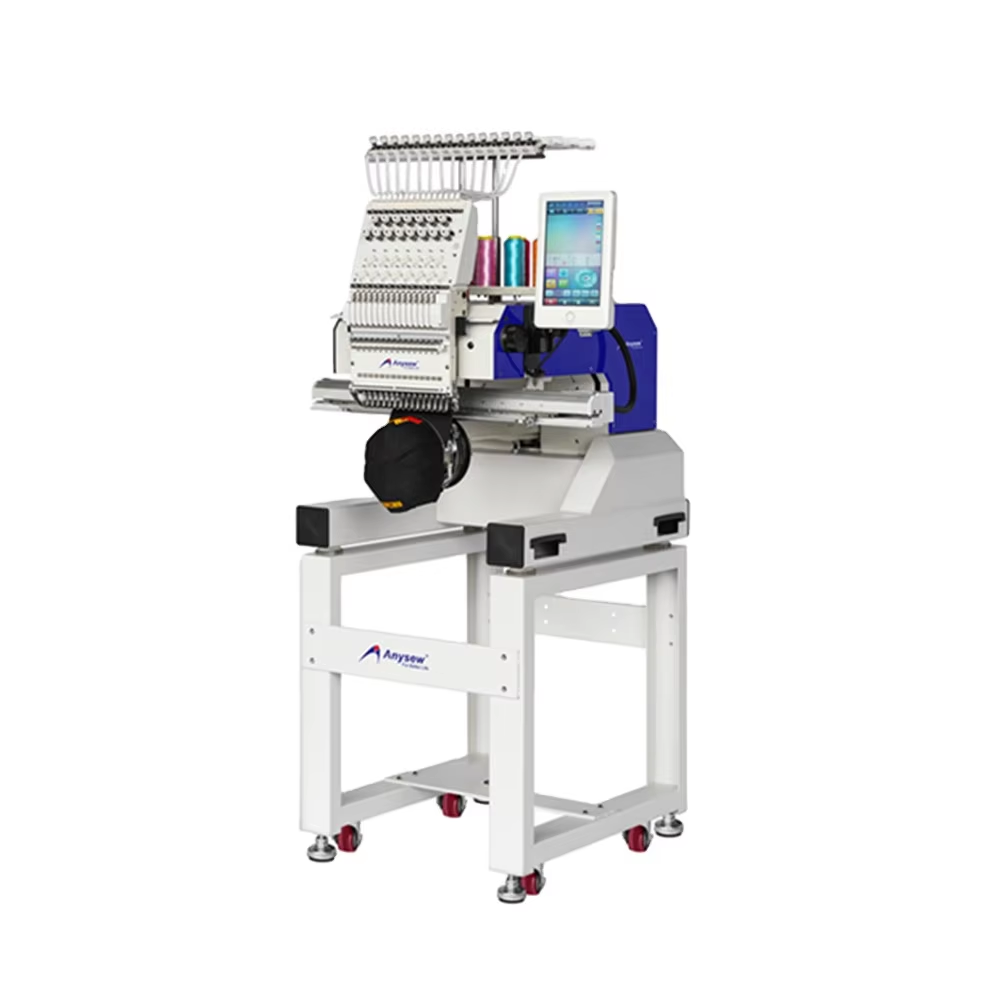
Troubleshooting Common Issues
Prevention Through Maintenance
Many common embroidery problems can be prevented through proper maintenance routines. Thread breaks, skipped stitches, and registration issues often stem from inadequate cleaning or lubrication. Developing a comprehensive maintenance schedule and following it consistently will significantly reduce these occurrences. Document any issues that arise and their solutions to build a knowledge base for future reference.
Regular inspection of your machine's components can help identify potential problems before they affect your work. Listen for unusual sounds, watch for irregular movement patterns, and pay attention to stitch quality variations. Early detection of issues through careful observation is an essential aspect of preventive maintenance.
Emergency Care Procedures
Despite regular maintenance, occasional emergencies may arise. Establish a relationship with a qualified service technician who can provide prompt assistance when needed. Keep basic spare parts and tools on hand for minor repairs, but know your limits and when to seek professional help. Attempting complex repairs without proper training can result in more severe damage.
Create an emergency maintenance kit containing essential tools, oils, and commonly needed parts. Include detailed notes on basic troubleshooting steps and contact information for technical support. This preparation can help minimize downtime when issues occur.
Frequently Asked Questions
How often should I clean my embroidery machine?
Basic cleaning should be performed after each use, with more thorough cleaning weekly. This includes removing lint, threads, and debris from the bobbin area, needle plate, and tension discs. Monthly deep cleaning sessions should address all accessible areas of the machine.
What type of oil should I use for my embroidery machine?
Always use the specific oil recommended by your machine's manufacturer. Generic sewing machine oil may not provide adequate lubrication and could potentially damage sensitive components. Check your owner's manual for the correct oil specification and application points.
When should I seek professional maintenance service?
Schedule professional maintenance every three to six months, depending on usage volume. Additionally, seek immediate professional attention if you notice unusual noises, stitch quality issues that persist despite basic maintenance, or any mechanical problems beyond your expertise to address.
How do I know when to replace machine parts?
Follow your manufacturer's recommended replacement schedules for components like needles, bobbin cases, and thread guides. Generally, needles should be replaced after 15-20 hours of use or if they show signs of wear, such as bent points or burrs. Regular inspection of all parts will help identify wear before it affects performance.