
 EN
EN
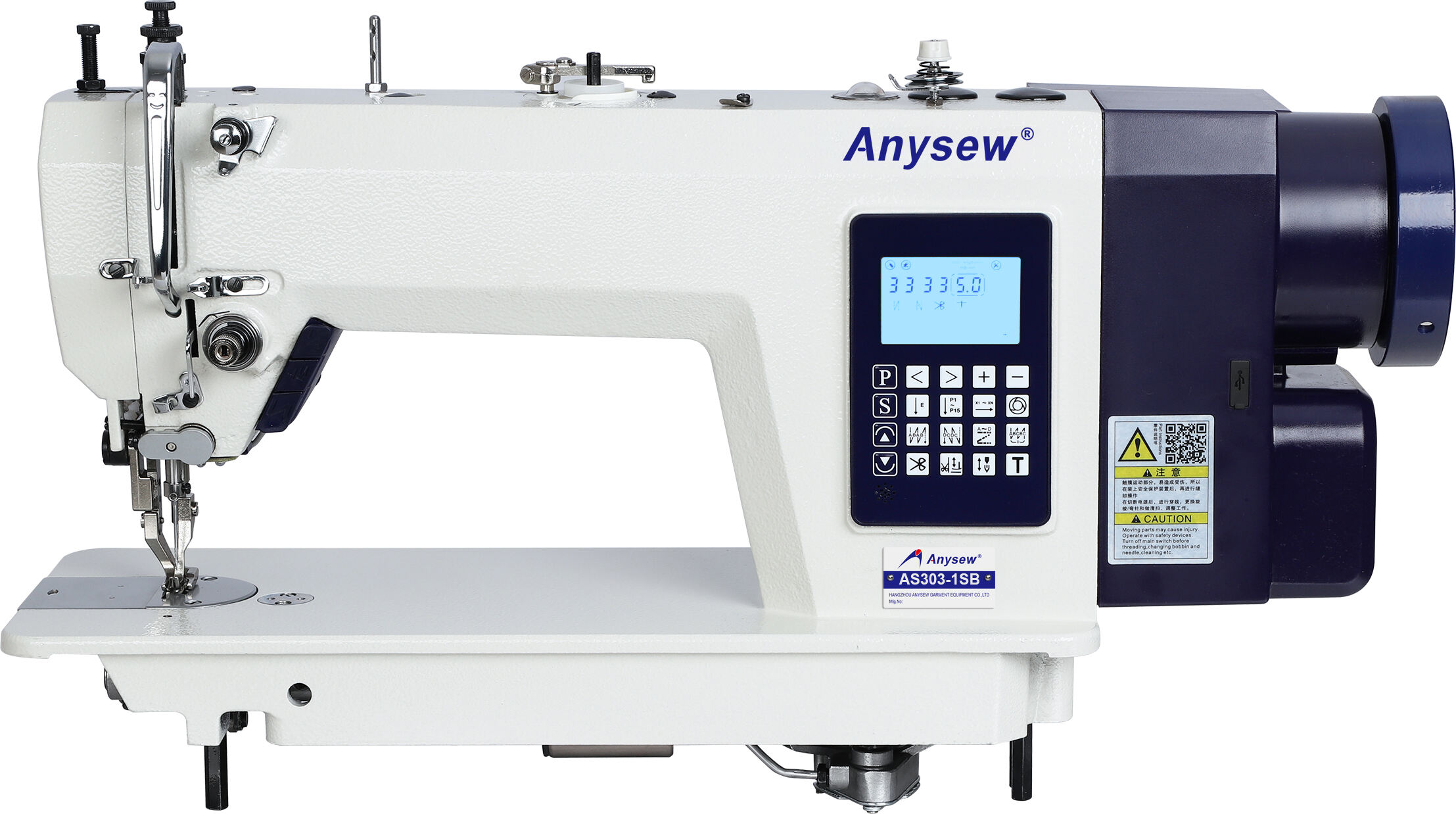
Industrial finishing machines represent critical infrastructure in manufacturing facilities across diverse sectors, from textile production to metalworking operations. These sophisticated pieces of equipment require systematic maintenance protocols to ensure optimal performance, extend operational lifespan, and maintain consistent output quality. Understanding the comprehensive maintenance requirements for finishing machines enables facility managers and operators to implement effective preventive care strategies that minimize downtime and maximize return on investment.
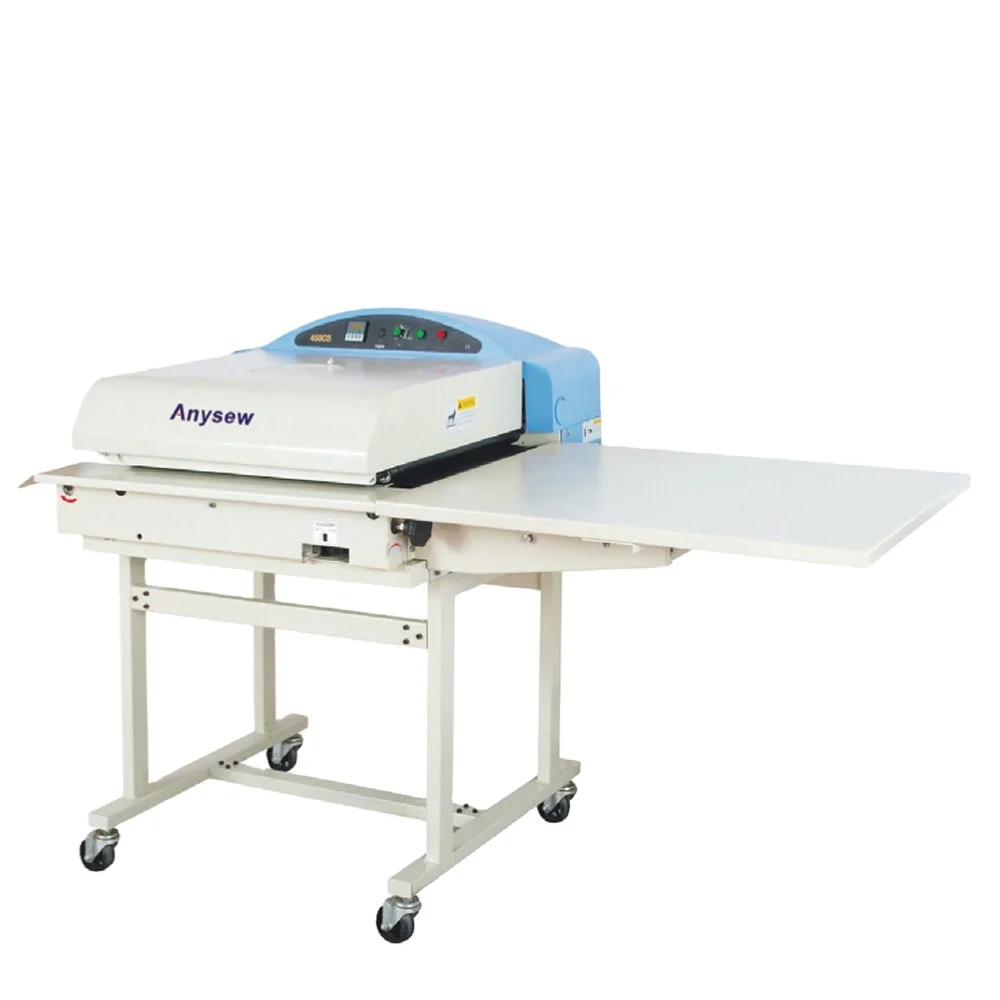
The complexity of modern finishing machines demands a structured approach to maintenance that encompasses daily inspections, scheduled servicing, and long-term component replacement strategies. Proper maintenance protocols not only prevent costly breakdowns but also ensure consistent product quality and workplace safety standards. Manufacturing operations depend heavily on the reliable performance of these machines, making maintenance a critical business function rather than an optional expense.
Essential Daily Maintenance Procedures
Pre-Operation Inspection Protocols
Every operational day should begin with a comprehensive visual inspection of all finishing machines before production commences. Operators must examine external surfaces for signs of wear, damage, or unusual conditions that could indicate developing problems. This inspection includes checking for loose bolts, damaged covers, worn belts, and any signs of fluid leaks that might compromise machine performance or safety.
Temperature monitoring represents another crucial aspect of daily pre-operation procedures. Many finishing machines operate at elevated temperatures, requiring verification that heating elements function correctly and temperature controls respond appropriately. Operators should also verify that all safety systems, emergency stops, and protective devices operate properly before beginning production runs.
Lubrication and Fluid Level Monitoring
Daily lubrication checks form the foundation of effective maintenance programs for finishing machines. Moving components require adequate lubrication to prevent premature wear and ensure smooth operation. Operators must verify that all lubrication points receive appropriate attention and that oil levels remain within specified parameters throughout the production cycle.
Hydraulic and pneumatic systems integrated into many finishing machines require daily fluid level verification. Low fluid levels can cause system failures, while contaminated fluids may damage sensitive components. Regular monitoring and documentation of fluid conditions help identify trends that indicate potential problems before they result in equipment failures.
Weekly Maintenance Requirements
Deep Cleaning and Component Inspection
Weekly maintenance schedules should include thorough cleaning of all accessible components to remove accumulated debris, dust, and production residues. Clean machines operate more efficiently and allow easier identification of developing problems. This cleaning process provides opportunities to inspect components more closely for signs of wear, damage, or misalignment that daily inspections might miss.
Belt tension verification represents a critical weekly maintenance task for many finishing machines. Proper belt tension ensures efficient power transmission while preventing premature wear of both belts and pulleys. Operators should use appropriate tension measuring tools to verify that all drive belts maintain manufacturer-specified tension levels.
Electrical System Verification
Weekly electrical system inspections help identify potential problems before they cause unexpected shutdowns. This includes checking electrical connections for tightness, examining cables for signs of wear or damage, and verifying that all electrical components operate within normal parameters. Temperature monitoring of electrical panels and motor housings can reveal developing problems in electrical systems.
Control system functionality requires weekly verification to ensure that all sensors, switches, and automated functions respond correctly. Testing emergency stop systems, safety interlocks, and alarm functions during weekly maintenance helps maintain safe operating conditions and regulatory compliance.
Monthly Comprehensive Service Protocols
Filter Replacement and Air System Maintenance
Monthly maintenance schedules must include comprehensive filter replacement for air filtration systems, hydraulic systems, and any other filtered components. Clean filters ensure optimal system performance and prevent contamination from damaging sensitive components. Documentation of filter condition during replacement helps establish appropriate replacement intervals for specific operating conditions.
Compressed air systems require monthly attention to ensure proper moisture removal and pressure regulation. Drain air tanks, inspect pressure regulators, and verify that air quality meets specifications for pneumatic components. Poor air quality can cause premature wear and erratic operation of pneumatic controls and actuators.
Calibration and Alignment Verification
Monthly calibration checks ensure that finishing machines maintain accurate processing parameters. Temperature controllers, pressure regulators, and timing systems require periodic verification against known standards to ensure consistent product quality. Professional calibration services may be necessary for critical measurement systems.
Mechanical alignment verification should occur monthly to prevent excessive wear and ensure optimal performance. Misaligned components cause increased wear, higher energy consumption, and potential product quality issues. Using precision alignment tools helps maintain proper component relationships and extends equipment life.
Quarterly Maintenance and Component Replacement
Major Component Inspection and Testing
Quarterly maintenance intervals provide opportunities for comprehensive component inspection and testing that daily and weekly schedules cannot accommodate. This includes disassembly of major components for internal inspection, bearing replacement, and verification of component specifications. Professional technicians may be required for complex disassembly and reassembly procedures.
Heating element testing and replacement should occur quarterly for temperature-critical finishing machines. Degraded heating elements cause temperature inconsistencies that affect product quality and may consume excessive energy. Professional testing equipment can identify heating elements approaching end-of-life before they cause production problems.
Safety System Comprehensive Testing
Quarterly safety system testing ensures that all protective devices function correctly under simulated emergency conditions. This testing goes beyond routine operational checks to include comprehensive verification of safety interlocks, emergency shutdown systems, and protective device functionality. Documentation of safety system testing supports regulatory compliance and workplace safety programs.
Professional safety inspections may be required quarterly to maintain insurance coverage and regulatory compliance. These inspections verify that finishing machines meet current safety standards and identify any modifications necessary to maintain compliance with evolving regulations.
Annual Overhaul and Upgrade Procedures
Complete System Refurbishment
Annual maintenance schedules should include complete system overhauls that address wear patterns and component degradation accumulated over the operational year. This comprehensive approach includes replacement of wear items, upgrade of obsolete components, and systematic verification of all system parameters. Professional service providers often perform these extensive overhauls.
Control system updates and software upgrades typically occur during annual maintenance shutdowns. Modern finishing machines incorporate sophisticated control systems that benefit from periodic updates to improve functionality, security, and compatibility with plant-wide control systems. These updates often require coordination with control system specialists.
Performance Optimization and Efficiency Analysis
Annual performance analysis helps identify opportunities for efficiency improvements and capacity optimization. Energy consumption analysis, production rate evaluation, and quality consistency assessment provide data for equipment optimization decisions. This analysis may reveal opportunities for upgrades or modifications that improve overall equipment effectiveness.
Preventive replacement of components approaching end-of-life helps avoid unexpected failures during peak production periods. Annual planning allows scheduling of component replacements during planned downtime rather than responding to emergency failures that disrupt production schedules.
Specialized Maintenance for Different Machine Types
Textile Finishing Machine Considerations
Textile finishing machines require specialized attention to fabric handling systems, steam distribution networks, and chemical application systems. Regular cleaning of chemical residues prevents corrosion and ensures consistent treatment application. Fabric guide systems require frequent inspection and adjustment to prevent damage to processed materials.
Steam system maintenance includes regular inspection of steam traps, pressure regulation systems, and condensate return networks. Proper steam system maintenance ensures efficient heat transfer and prevents moisture-related problems that affect product quality. Chemical feed systems require specialized cleaning and calibration to maintain accurate application rates.
Metal Finishing Equipment Maintenance
Metal finishing machines present unique maintenance challenges related to abrasive environments and chemical exposure. Protective coatings on machine components require periodic renewal to prevent corrosion and maintain operational reliability. Dust collection systems require frequent filter changes and comprehensive cleaning to maintain proper operation.
Precision grinding and polishing systems demand exceptional attention to spindle bearing condition and tool wear monitoring. Vibration analysis helps identify developing bearing problems before they cause costly damage to precision components. Regular tool inspection and replacement ensures consistent finishing quality and prevents damage to workpieces.
Documentation and Record Keeping
Maintenance History Tracking
Comprehensive maintenance documentation enables trend analysis and predictive maintenance planning. Recording maintenance activities, component replacements, and performance observations creates valuable historical data for optimizing maintenance intervals and identifying recurring problems. Digital maintenance management systems facilitate data analysis and reporting.
Failure analysis documentation helps identify root causes of equipment problems and develop preventive measures. Recording failure modes, repair procedures, and corrective actions creates institutional knowledge that improves future maintenance effectiveness and equipment reliability.
Regulatory Compliance Documentation
Maintenance documentation supports regulatory compliance requirements in many industries. Safety inspections, environmental compliance testing, and quality system audits often require comprehensive maintenance records. Organized documentation systems facilitate regulatory inspections and demonstrate commitment to proper equipment care.
Warranty compliance often requires documented maintenance according to manufacturer specifications. Proper documentation protects warranty coverage and provides evidence of proper equipment care for insurance and liability purposes. Electronic documentation systems improve accessibility and organization of maintenance records.
FAQ
How often should finishing machine filters be replaced?
Filter replacement frequency depends on operating conditions and filter type, but most finishing machines require filter changes monthly for optimal performance. High-dust environments may require more frequent replacement, while clean operating conditions might allow extended intervals. Monitor filter condition regularly and establish replacement schedules based on actual contamination rates rather than arbitrary time intervals.
What are the most common maintenance-related failures in finishing machines?
The most common maintenance-related failures include inadequate lubrication causing bearing failures, neglected filter replacement leading to system contamination, and improper belt tension causing premature wear. Temperature control problems from dirty heat exchangers and electrical failures from loose connections also rank among frequent issues. Implementing systematic preventive maintenance addresses these common failure modes effectively.
Can finishing machine maintenance be performed by plant personnel or does it require specialists?
Basic daily and weekly maintenance tasks can typically be performed by trained plant personnel, while more complex procedures may require specialist technicians. Simple tasks like lubrication, cleaning, and visual inspections fall within normal operator capabilities. However, electrical work, precision alignment, and major component replacement often require specialized knowledge and tools for safe and effective completion.
How do I determine the optimal maintenance schedule for my specific finishing machines?
Optimal maintenance schedules depend on manufacturer recommendations, operating conditions, and historical performance data. Start with manufacturer guidelines and adjust based on actual operating experience and component wear patterns. Monitor equipment performance, track failure modes, and analyze maintenance costs to optimize intervals. Consider implementing condition-based maintenance for critical components to improve efficiency and reduce unnecessary maintenance activities.
Table of Contents
- Essential Daily Maintenance Procedures
- Weekly Maintenance Requirements
- Monthly Comprehensive Service Protocols
- Quarterly Maintenance and Component Replacement
- Annual Overhaul and Upgrade Procedures
- Specialized Maintenance for Different Machine Types
- Documentation and Record Keeping
-
FAQ
- How often should finishing machine filters be replaced?
- What are the most common maintenance-related failures in finishing machines?
- Can finishing machine maintenance be performed by plant personnel or does it require specialists?
- How do I determine the optimal maintenance schedule for my specific finishing machines?