
 EN
EN
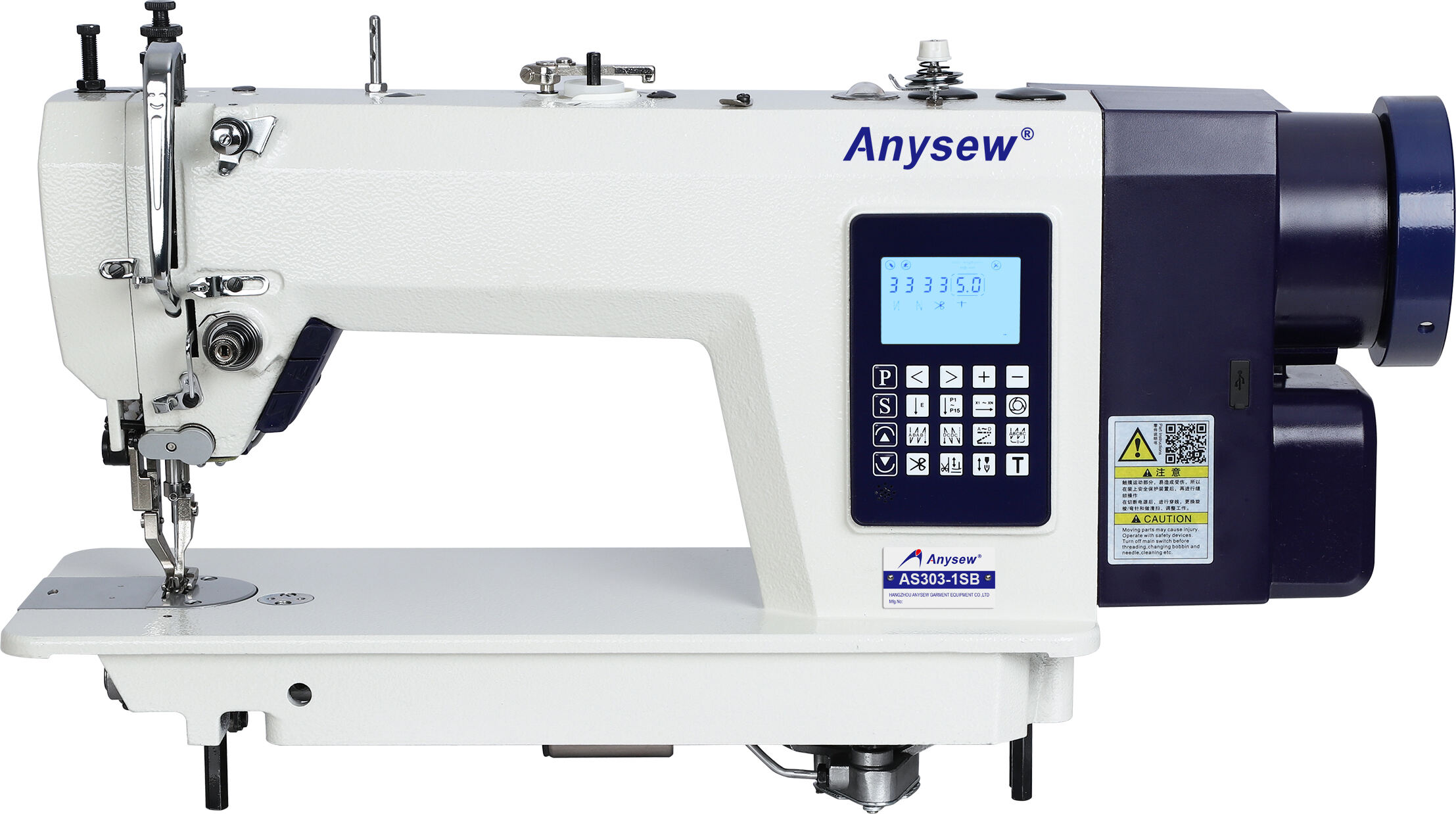
Industrial sewing machines are powerful manufacturing tools that require comprehensive safety protocols to protect operators and maintain efficient production environments. These heavy-duty machines operate at high speeds with sharp needles, powerful motors, and moving mechanical components that can pose serious risks without proper safety measures. Understanding and implementing appropriate safety standards is crucial for any manufacturing facility utilizing industrial sewing machines to prevent workplace injuries and ensure regulatory compliance.
Essential Safety Equipment and Personal Protective Equipment
Eye and Hand Protection Requirements
Operators working with industrial sewing machines must wear appropriate eye protection to shield against flying needles, thread fragments, and fabric particles. Safety glasses with side shields provide essential protection against these projectiles that can cause serious eye injuries. The high-speed operation of these machines generates debris that can travel at dangerous velocities, making eye protection non-negotiable in professional sewing environments.
Hand protection presents unique challenges since operators need tactile sensitivity to handle fabrics while maintaining safety. Cut-resistant gloves designed for textile work provide the optimal balance between protection and dexterity. These specialized gloves protect against needle punctures and blade cuts while allowing operators to maintain the precise control necessary for quality stitching operations.
Hearing Protection and Respiratory Safety
The noise levels generated by multiple industrial sewing machines operating simultaneously often exceed safe exposure limits established by occupational health standards. Prolonged exposure to these noise levels can cause permanent hearing damage, making hearing protection mandatory in most industrial sewing facilities. Foam earplugs or noise-canceling headphones effectively reduce harmful noise levels while allowing operators to communicate when necessary.
Fabric dust, lint, and chemical vapors from treating processes create respiratory hazards that require appropriate filtration. Dust masks or respirators prevent inhalation of textile particles that can cause respiratory irritation and long-term health complications. Facilities processing synthetic materials or chemically treated fabrics may require more sophisticated respiratory protection systems to address specific chemical exposures.
Machine-Specific Safety Features and Modifications
Needle Guards and Safety Shields
Modern industrial sewing machines incorporate needle guards that prevent accidental contact with moving needles during operation. These transparent shields allow operators to monitor stitching progress while providing physical barriers against needle injuries. Adjustable guards accommodate different fabric thicknesses and sewing applications while maintaining consistent protection levels throughout various operations.
Safety shields extending around moving mechanical components prevent clothing, hair, or body parts from becoming entangled in machine mechanisms. These barriers are particularly important around drive belts, pulleys, and motor assemblies where rotating components can cause severe crushing or entanglement injuries. Properly installed shields should allow normal operation while preventing access to dangerous mechanical areas.
Emergency Stop Systems and Controls
Emergency stop buttons positioned within easy reach of machine operators provide immediate machine shutdown capabilities when dangerous situations develop. These controls should be clearly marked, easily accessible, and designed to halt all machine movement instantly when activated. Regular testing ensures emergency systems function correctly when needed most, preventing minor incidents from escalating into serious injuries.
Foot pedal safety modifications prevent accidental machine activation and provide better operator control over machine speed and operation. Shielded foot controls prevent debris from interfering with pedal mechanisms while reducing the risk of unintended activation. Some facilities install dual-activation systems requiring deliberate operator input from multiple controls to prevent accidental machine startup during maintenance or setup operations.
Workplace Environment and Ergonomic Considerations
Lighting and Workspace Design
Adequate lighting is essential for safe operation of industrial sewing machines, as poor visibility increases the risk of needle injuries and operational errors. Task lighting should provide uniform illumination across work surfaces without creating glare or shadows that obscure needle positions. LED lighting systems offer consistent color rendering and reduced heat generation compared to traditional lighting options, creating more comfortable working conditions.
Workspace design must accommodate safe material handling, operator movement, and emergency evacuation procedures. Adequate spacing between machines prevents operators from interfering with each other and provides clear pathways for emergency response. Anti-fatigue matting reduces physical stress on operators while providing slip-resistant surfaces that prevent falls and improve overall workplace safety.
Material Handling and Storage Safety
Safe material handling procedures prevent back injuries and workplace accidents associated with moving heavy fabric rolls and finished products. Mechanical lifting aids, such as fabric dollies and pneumatic lifts, reduce physical strain on operators while improving handling efficiency. Proper lifting techniques training ensures workers understand biomechanically sound methods for handling materials throughout the production process.
Storage systems must prevent materials from falling or shifting unexpectedly, which could cause injuries or interfere with machine operations. Secure shelving with appropriate weight limits and restraining systems keeps materials organized while preventing storage-related accidents. Clear marking of storage areas and weight limits helps maintain safe material handling practices throughout the facility.
Training Programs and Safety Protocols
Operator Training and Certification
Comprehensive training programs ensure operators understand proper machine operation, safety procedures, and emergency response protocols before working independently with industrial sewing machines. Training should cover machine-specific operations, safety features, maintenance requirements, and hazard recognition skills. Regular refresher training keeps safety knowledge current and addresses new equipment or procedural changes.
Certification programs validate operator competency and ensure consistent safety standards across all personnel working with industrial sewing machines. These programs typically include written examinations, practical demonstrations, and ongoing performance evaluations. Documented certification helps facilities maintain regulatory compliance while ensuring all operators meet established safety and competency standards.
Maintenance and Inspection Procedures
Regular maintenance schedules prevent equipment failures that could create safety hazards during operation. Preventive maintenance includes lubrication, calibration, and replacement of worn components before they fail catastrophically. Properly maintained machines operate more safely and efficiently while reducing the likelihood of unexpected breakdowns that could endanger operators.
Daily inspection procedures help identify potential safety issues before they result in accidents or injuries. Operators should check safety guards, emergency stops, lighting, and mechanical components as part of standard startup procedures. Documentation of inspection results creates accountability and helps identify recurring issues that may require additional attention or equipment modifications.
Regulatory Compliance and Industry Standards
OSHA Requirements and Guidelines
The Occupational Safety and Health Administration establishes specific requirements for industrial sewing machine safety that facilities must follow to maintain compliance. These regulations address machine guarding, personal protective equipment, training requirements, and workplace environmental standards. Regular compliance audits help identify potential violations and ensure facilities meet current regulatory requirements.
OSHA guidelines provide detailed recommendations for implementing safety programs that go beyond minimum regulatory requirements. These voluntary guidelines help facilities develop comprehensive safety cultures that protect workers while improving operational efficiency. Following OSHA recommendations demonstrates commitment to worker safety and can reduce insurance costs and liability exposure.
Industry-Specific Safety Standards
Professional organizations and industry associations have developed specialized safety standards specifically for textile and apparel manufacturing operations using industrial sewing machines. These standards address unique hazards and operational requirements that general safety regulations may not cover comprehensively. Adhering to industry standards helps facilities benchmark their safety performance against recognized best practices.
International safety standards provide frameworks for facilities operating in global markets or working with international clients who require specific safety certifications. ISO standards and other international frameworks ensure consistent safety approaches across different countries and regulatory environments. Compliance with international standards can facilitate market access and improve competitive positioning in global supply chains.
Emergency Procedures and Incident Response
Medical Emergency Protocols
Facilities using industrial sewing machines must establish clear medical emergency procedures that address common injuries such as needle punctures, cuts, and crush injuries. First aid stations should be strategically located near work areas and stocked with appropriate supplies for treating textile-related injuries. Trained first aid responders should be available during all operating shifts to provide immediate medical assistance when accidents occur.
Emergency communication systems enable rapid response to medical emergencies and facilitate coordination with external emergency services. Clear communication protocols ensure that emergency responders receive accurate information about the nature and location of injuries, enabling more effective treatment. Regular emergency drills help employees practice proper response procedures and identify areas where emergency protocols may need improvement.
Fire Safety and Equipment Shutdown
Fire suppression systems designed for textile environments address the unique combustion characteristics of fabrics, threads, and sewing machine lubricants. Appropriate fire extinguisher types and suppression systems prevent small fires from spreading throughout production areas where combustible materials are concentrated. Emergency shutdown procedures for industrial sewing machines prevent electrical fires and reduce fuel sources during fire emergencies.
Evacuation procedures must account for the specific layout and hazards present in industrial sewing facilities. Clear evacuation routes, emergency lighting, and assembly areas ensure safe evacuation during various emergency scenarios. Regular evacuation drills help identify potential bottlenecks or hazards that could impede safe evacuation during actual emergencies.
FAQ
What personal protective equipment is required when operating industrial sewing machines
Essential personal protective equipment includes safety glasses with side shields, cut-resistant gloves designed for textile work, hearing protection such as earplugs or noise-canceling headphones, and appropriate respiratory protection like dust masks or respirators. The specific requirements may vary based on the materials being processed and the facility's risk assessment, but eye protection and hearing protection are typically mandatory in all industrial sewing environments.
How often should industrial sewing machines be inspected for safety issues
Daily pre-operation inspections should check safety guards, emergency stops, lighting, and visible mechanical components. Weekly inspections should examine more detailed mechanical systems, lubrication levels, and safety device functionality. Monthly comprehensive inspections by qualified maintenance personnel should evaluate all safety systems, calibration, and wear components. Annual professional inspections by certified technicians ensure compliance with regulatory requirements and identify potential issues requiring major maintenance or replacement.
What are the most common safety hazards associated with industrial sewing machines
The most frequent hazards include needle puncture injuries from contact with moving needles, cuts from fabric cutting blades and scissors, entanglement injuries from moving belts and mechanical components, eye injuries from flying debris and thread fragments, hearing damage from prolonged noise exposure, and repetitive strain injuries from poor ergonomics. Respiratory issues from fabric dust and chemical vapors also pose significant long-term health risks in industrial sewing environments.
What emergency procedures should be established for industrial sewing machine accidents
Emergency procedures should include immediate machine shutdown protocols, first aid response for common injuries like punctures and cuts, communication systems for summoning medical assistance, evacuation procedures for serious incidents, incident documentation and reporting requirements, and coordination with external emergency services. All employees should receive training on these procedures, and emergency contact information should be prominently displayed throughout the facility. Regular emergency drills ensure employees can respond effectively during actual incidents.
Table of Contents
- Essential Safety Equipment and Personal Protective Equipment
- Machine-Specific Safety Features and Modifications
- Workplace Environment and Ergonomic Considerations
- Training Programs and Safety Protocols
- Regulatory Compliance and Industry Standards
- Emergency Procedures and Incident Response
-
FAQ
- What personal protective equipment is required when operating industrial sewing machines
- How often should industrial sewing machines be inspected for safety issues
- What are the most common safety hazards associated with industrial sewing machines
- What emergency procedures should be established for industrial sewing machine accidents