
 EN
EN
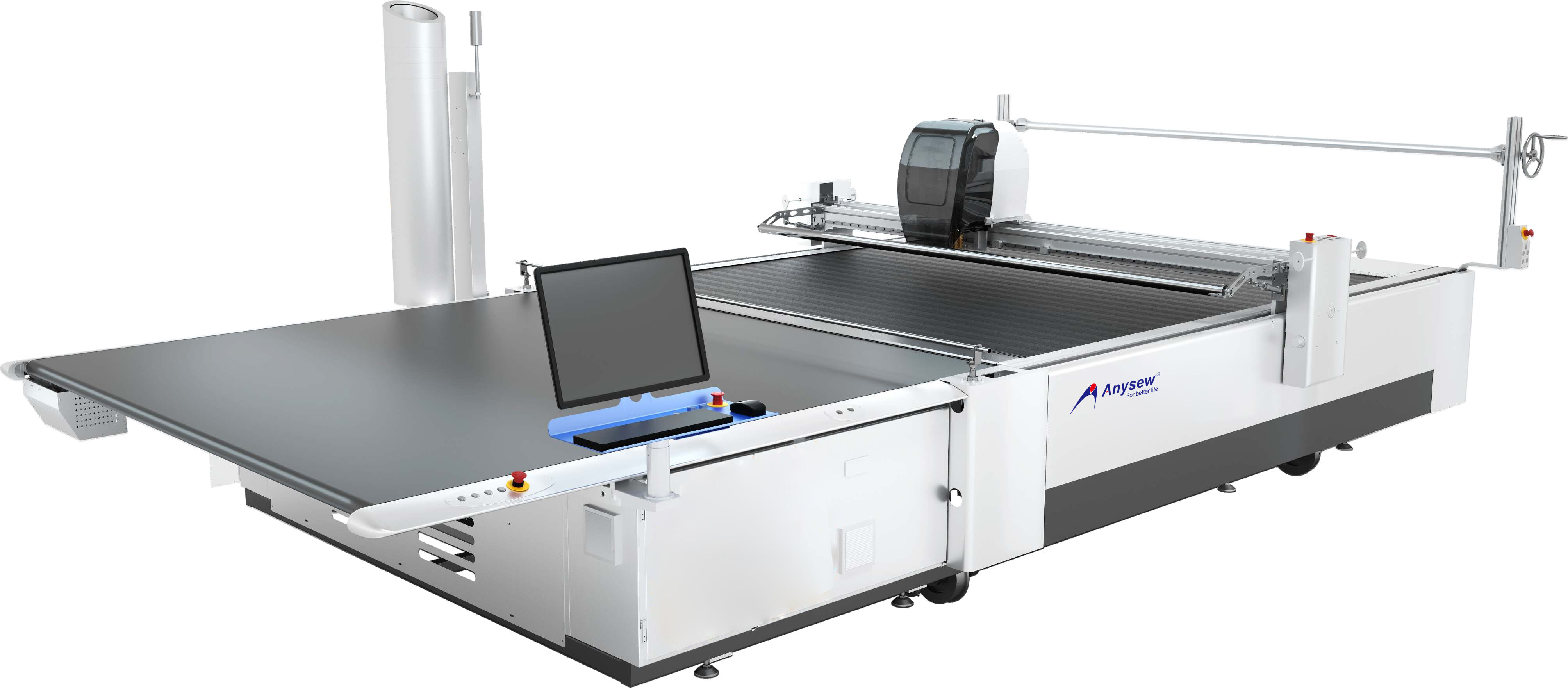
Operating machinery in residential environments requires careful attention to safety protocols and proper handling techniques. Household machine usage has increased significantly as more homeowners invest in specialized equipment for crafting, woodworking, sewing, and various DIY projects. Understanding fundamental safety principles can prevent accidents and ensure optimal performance from your equipment.
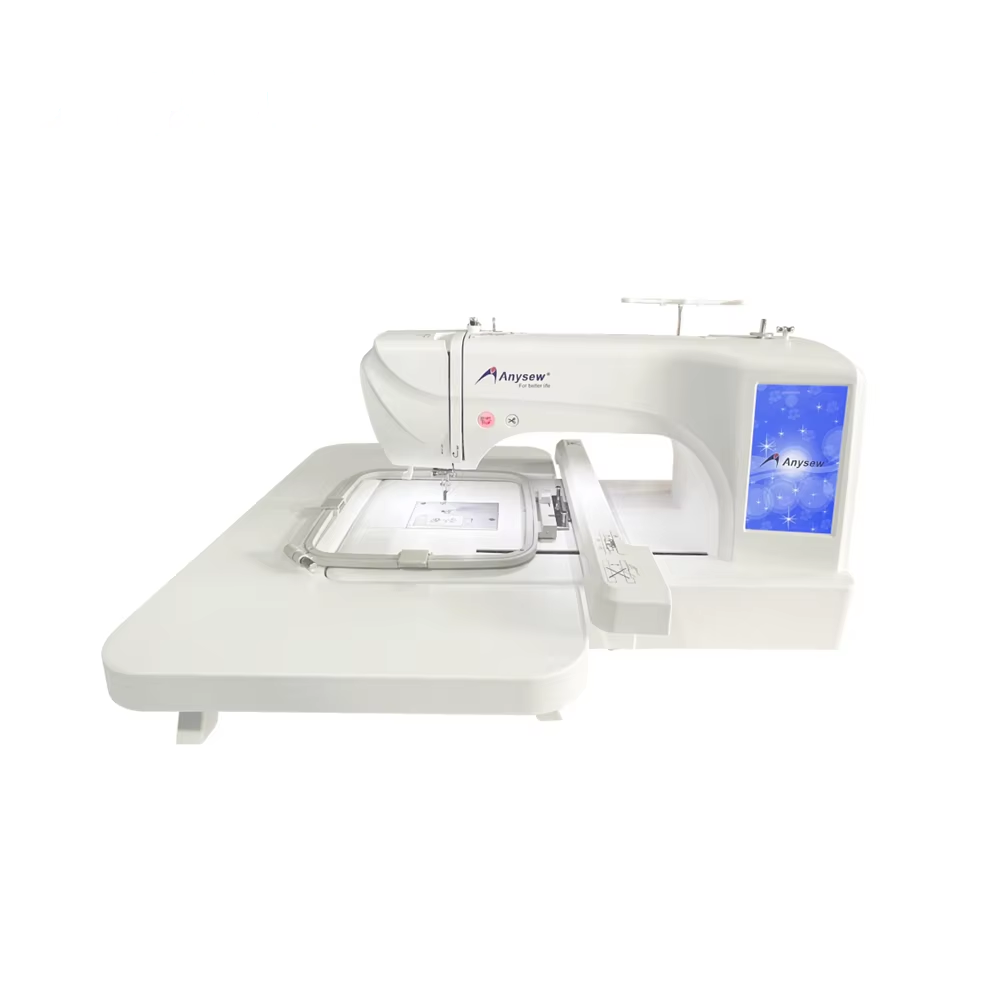
The complexity of modern household machines demands comprehensive understanding of operational procedures and safety measures. From embroidery machines to power tools, each device presents unique challenges that require specific knowledge and preparation. Developing proper habits early prevents costly mistakes and protects both users and equipment.
Establishing a dedicated workspace with appropriate ventilation, lighting, and organization creates an environment conducive to safe household machine usage. This foundation supports all subsequent safety measures and operational efficiency while reducing the likelihood of accidents or equipment damage.
Pre-Operation Safety Assessments
Equipment Inspection Protocols
Before beginning any household machine usage session, conduct thorough visual inspections of all components. Check power cords for fraying, damage, or loose connections that could create electrical hazards. Examine moving parts for proper alignment and secure fastening, ensuring nothing appears worn or compromised.
Verify that safety guards and protective devices are properly installed and functioning correctly. Many accidents occur when users bypass or remove safety features for convenience. These protective elements are designed specifically for your model and should never be modified or disabled during operation.
Test all controls and switches before beginning work to confirm proper responsiveness. Emergency stops, speed controls, and operational buttons must function reliably to maintain safe household machine usage throughout your project. Document any irregularities and address them before proceeding.
Workspace Preparation Standards
Organize your work area to eliminate tripping hazards, clutter, and distractions that could compromise safety during household machine usage. Ensure adequate lighting illuminates all work surfaces and machine components clearly. Poor visibility increases the risk of accidents and reduces operational precision.
Establish clear pathways around your equipment that remain unobstructed throughout operation. Position tools, materials, and supplies within easy reach without requiring awkward stretching or movement that could cause loss of control or balance.
Verify that electrical systems can handle your machine's power requirements without overloading circuits. Use appropriate extension cords rated for your equipment's amperage, and avoid daisy-chaining multiple devices that could create fire hazards or voltage drops affecting performance.
Personal Protective Equipment Requirements
Essential Safety Gear Selection
Selecting appropriate personal protective equipment depends on your specific household machine usage requirements and the hazards associated with your equipment. Safety glasses protect eyes from flying debris, dust, or chemical splashes that commonly occur during operation of various machines.
Hearing protection becomes essential when operating loud equipment for extended periods. Prolonged exposure to high decibel levels can cause permanent hearing damage, making ear plugs or noise-canceling headphones crucial safety investments for regular household machine usage.
Choose clothing that fits properly without loose sleeves, jewelry, or accessories that could become entangled in moving machinery. Natural fiber clothing reduces static electricity buildup and provides better protection than synthetic materials in certain applications.
Protective Equipment Maintenance
Regularly inspect and maintain your protective equipment to ensure continued effectiveness during household machine usage. Replace damaged or worn items immediately, as compromised protection can be worse than no protection by creating false confidence.
Clean and store protective gear properly between uses to maintain functionality and hygiene. Contaminated or poorly maintained equipment may fail when needed most, potentially resulting in serious injury or health complications.
Keep backup protective equipment available for guests or family members who may occasionally assist with projects. Training others in proper safety procedures and providing appropriate gear extends protection throughout your household.
Operational Safety Procedures
Machine Startup and Shutdown Protocols
Follow manufacturer-specified startup sequences to ensure safe household machine usage from the beginning of each session. Many machines require specific warm-up periods or initialization procedures that optimize performance and prevent damage to sensitive components.
Monitor machine behavior during initial operation for unusual sounds, vibrations, or performance characteristics that might indicate problems. Address any irregularities immediately rather than continuing operation, as minor issues often escalate into major failures or safety hazards.
Implement proper shutdown procedures that protect both equipment and workspace. Allow machines to cool down appropriately, secure moving parts, and disconnect power sources according to manufacturer guidelines to prevent accidents during idle periods.
Emergency Response Procedures
Develop and practice emergency response plans for various scenarios that might occur during household machine usage. Know the location of emergency stops, power disconnects, and first aid supplies before beginning any project that involves potentially hazardous equipment.
Establish communication protocols for summoning help when working alone with machinery. Keep a charged phone within reach and inform others of your work schedule and location when operating equipment that presents elevated risks.
Maintain current first aid certifications and keep well-stocked medical supplies readily available. Quick response to injuries can significantly reduce their severity and long-term consequences, making preparation essential for safe household machine usage.
Maintenance and Troubleshooting Safety
Preventive Maintenance Best Practices
Regular maintenance prevents many safety hazards associated with household machine usage while extending equipment lifespan and maintaining optimal performance. Follow manufacturer maintenance schedules precisely, as deferred maintenance often leads to unexpected failures and dangerous operating conditions.
Use only approved lubricants, replacement parts, and consumables specified by the manufacturer. Substituting incompatible materials can create safety hazards, void warranties, and cause expensive damage that could have been easily avoided.
Document maintenance activities and keep records of service dates, parts replacements, and performance observations. This information helps identify patterns that might indicate developing problems before they become safety hazards.
Safe Troubleshooting Techniques
Always disconnect power sources before attempting any troubleshooting or maintenance activities during household machine usage sessions. Electrical energy stored in capacitors or mechanical energy in springs can cause injury even when main power is disconnected.
Consult manufacturer documentation and authorized service providers for complex problems rather than attempting repairs beyond your expertise level. Improper repairs often create additional safety hazards that may not be immediately apparent.
Use proper tools and techniques for disassembly and reassembly procedures. Improvised tools or incorrect methods can damage equipment and create safety hazards that persist long after repairs are completed.
Environmental Safety Considerations
Ventilation and Air Quality Management
Proper ventilation becomes critical during household machine usage that generates dust, fumes, or particles that could affect health or create fire hazards. Install appropriate exhaust systems or use portable air filtration units to maintain safe air quality throughout operation.
Monitor humidity levels in work areas, as excessive moisture can affect electrical safety and promote corrosion of metal components. Use dehumidifiers or ventilation systems to maintain optimal environmental conditions for both safety and equipment longevity.
Consider the impact of temperature extremes on both equipment performance and operator safety. Cold conditions can affect material properties and increase injury risks, while excessive heat can cause equipment failures and operator fatigue that leads to accidents.
Hazardous Material Handling
Many household machine usage applications involve materials that require special handling procedures to maintain safety. Read and understand material safety data sheets for all chemicals, solvents, and supplies used in your projects.
Implement proper storage procedures for hazardous materials, keeping them away from heat sources, incompatible substances, and areas where they could be accidentally disturbed. Label all containers clearly and maintain current inventory records.
Establish disposal procedures for waste materials that comply with local regulations and environmental protection requirements. Improper disposal can create long-term environmental hazards and legal liability for homeowners.
FAQ
How often should I inspect my household machines for safety issues
Inspect household machines before each use session and conduct more thorough examinations monthly or according to manufacturer recommendations. Daily visual checks should focus on obvious damage, loose components, or unusual wear patterns, while periodic detailed inspections should include internal mechanisms, electrical connections, and calibration verification. Document inspection results and address any identified issues before continuing household machine usage to prevent minor problems from developing into serious safety hazards.
What should I do if my machine starts making unusual noises during operation
Stop operation immediately and disconnect power when unusual noises occur during household machine usage. Unusual sounds often indicate developing mechanical problems that could lead to component failure or safety hazards if operation continues. Investigate the source of the noise systematically, checking for loose fasteners, worn bearings, or foreign objects that may have entered the mechanism. Consult manufacturer documentation or qualified service technicians for persistent problems rather than continuing to operate potentially dangerous equipment.
Are there specific safety requirements for different types of household machines
Yes, different categories of household machines have unique safety requirements based on their specific hazards and operational characteristics. Electrical equipment requires ground fault circuit interrupter protection and proper electrical safety procedures, while machines with rotating components need guards and lockout procedures. Chemical-using equipment demands ventilation and material handling protocols, whereas high-temperature applications require burn protection measures. Review manufacturer safety documentation for each specific machine type to understand applicable requirements for safe household machine usage.
How can I ensure family members understand machine safety procedures
Develop written safety procedures for each machine and provide hands-on training for all family members who might operate equipment. Create age-appropriate instruction materials and establish clear rules about supervision requirements for younger users during household machine usage. Regularly review and practice emergency procedures, ensuring everyone knows how to respond to various scenarios. Consider implementing a buddy system for potentially hazardous operations and maintain current contact information for emergency services and equipment manufacturers for technical support.