
 EN
EN
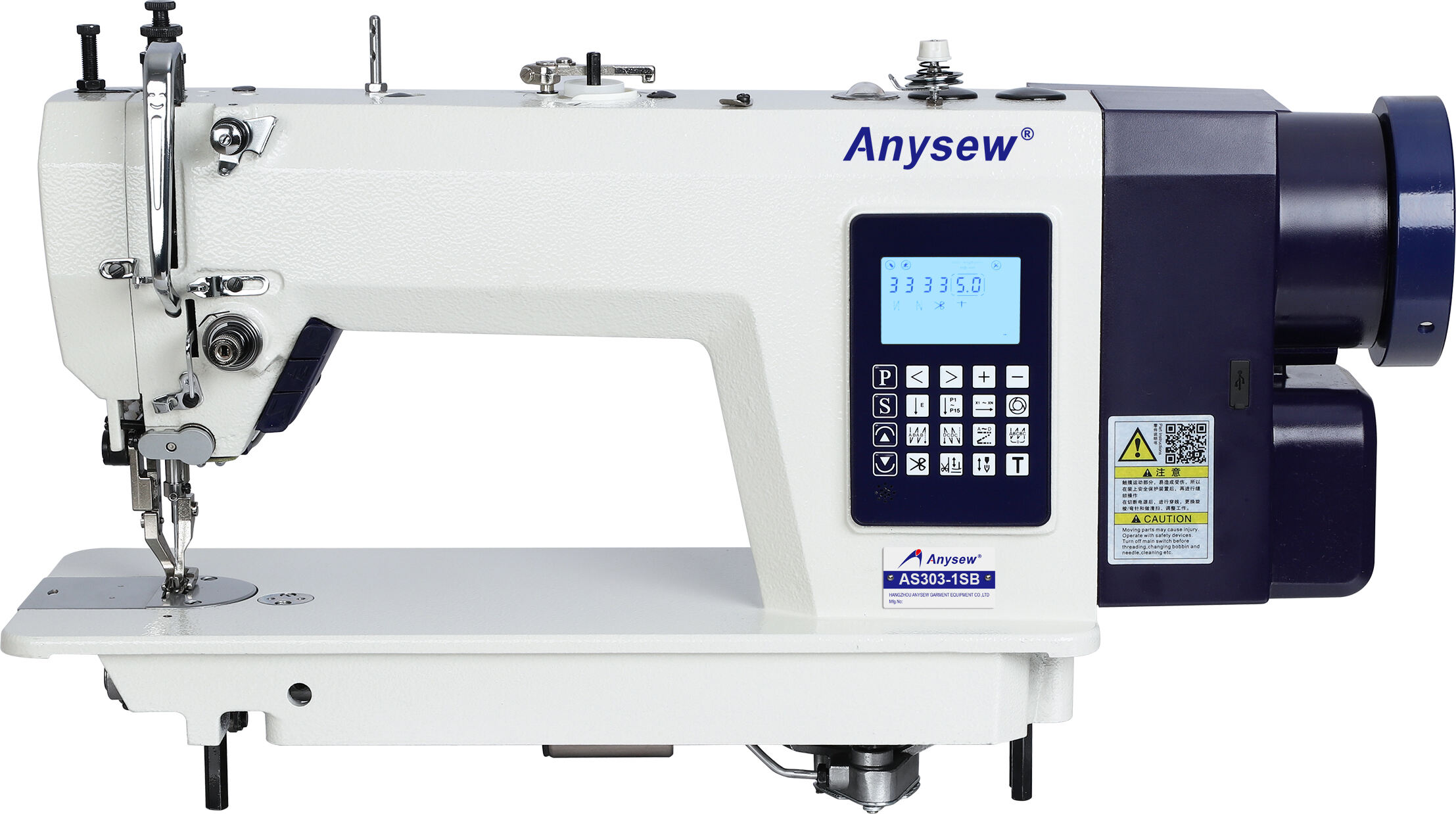
The Evolution of Manufacturing Through Advanced Sewing Technology
The manufacturing landscape has been transformed dramatically by industrial sewing machines, revolutionizing how products are created across multiple sectors. These powerful machines represent the backbone of modern textile and garment production, enabling manufacturers to meet growing market demands while maintaining consistent quality standards. From automotive upholstery to medical supplies, industrial sewing machines have become indispensable tools that drive production efficiency and economic growth.
Today's industrial sewing machines combine precision engineering with innovative technology to deliver unprecedented speed and accuracy. These machines process thousands of stitches per minute, dramatically outperforming their domestic counterparts while maintaining durability that withstands continuous operation in demanding manufacturing environments. The impact of these machines extends far beyond traditional garment manufacturing, reaching into diverse industries where high-volume, precise stitching is essential.
Core Benefits of Industrial Sewing Technology in Manufacturing
Enhanced Production Speed and Efficiency
Industrial sewing machines are engineered specifically for high-speed operation, capable of producing perfect stitches at rates that can exceed 5,000 stitches per minute. This remarkable speed translates directly into higher production volumes, allowing manufacturers to meet tight deadlines and handle large orders efficiently. The automated features of modern industrial sewing machines, such as auto-trimming and programmed stitching patterns, further reduce production time by eliminating many manual steps.
The efficiency gains extend beyond mere speed. Industrial sewing machines are designed with automated tension control and specialized feed mechanisms that ensure consistent stitch quality even at high speeds. This reliability minimizes production errors and reduces material waste, contributing significantly to overall operational efficiency.
Superior Quality and Consistency
Quality control is paramount in manufacturing, and industrial sewing machines deliver exceptional consistency in stitch formation and tension. These machines incorporate sophisticated tension control systems and precise timing mechanisms that maintain perfect stitch quality regardless of material thickness or complexity. The result is uniformly excellent output that meets strict quality standards batch after batch.
The durability of industrial-grade stitching also contributes to product longevity, ensuring that manufactured items maintain their integrity throughout their intended lifespan. This is particularly crucial in sectors like automotive manufacturing, where seam strength and durability directly impact product safety and reliability.
Versatility Across Manufacturing Sectors
Specialized Applications in Different Industries
Industrial sewing machines have evolved to meet the specific needs of various manufacturing sectors. In the automotive industry, specialized machines handle heavy-duty upholstery and safety equipment production. The aerospace sector relies on industrial sewing machines for creating aircraft interiors and safety restraints. Medical manufacturers use these machines to produce everything from surgical gowns to specialized medical devices.
The adaptability of industrial sewing machines extends to their ability to work with diverse materials. From delicate fabrics to thick leather and synthetic materials, these machines can be configured to handle virtually any sewing requirement. This versatility makes them invaluable assets in modern manufacturing facilities.
Customization and Flexibility
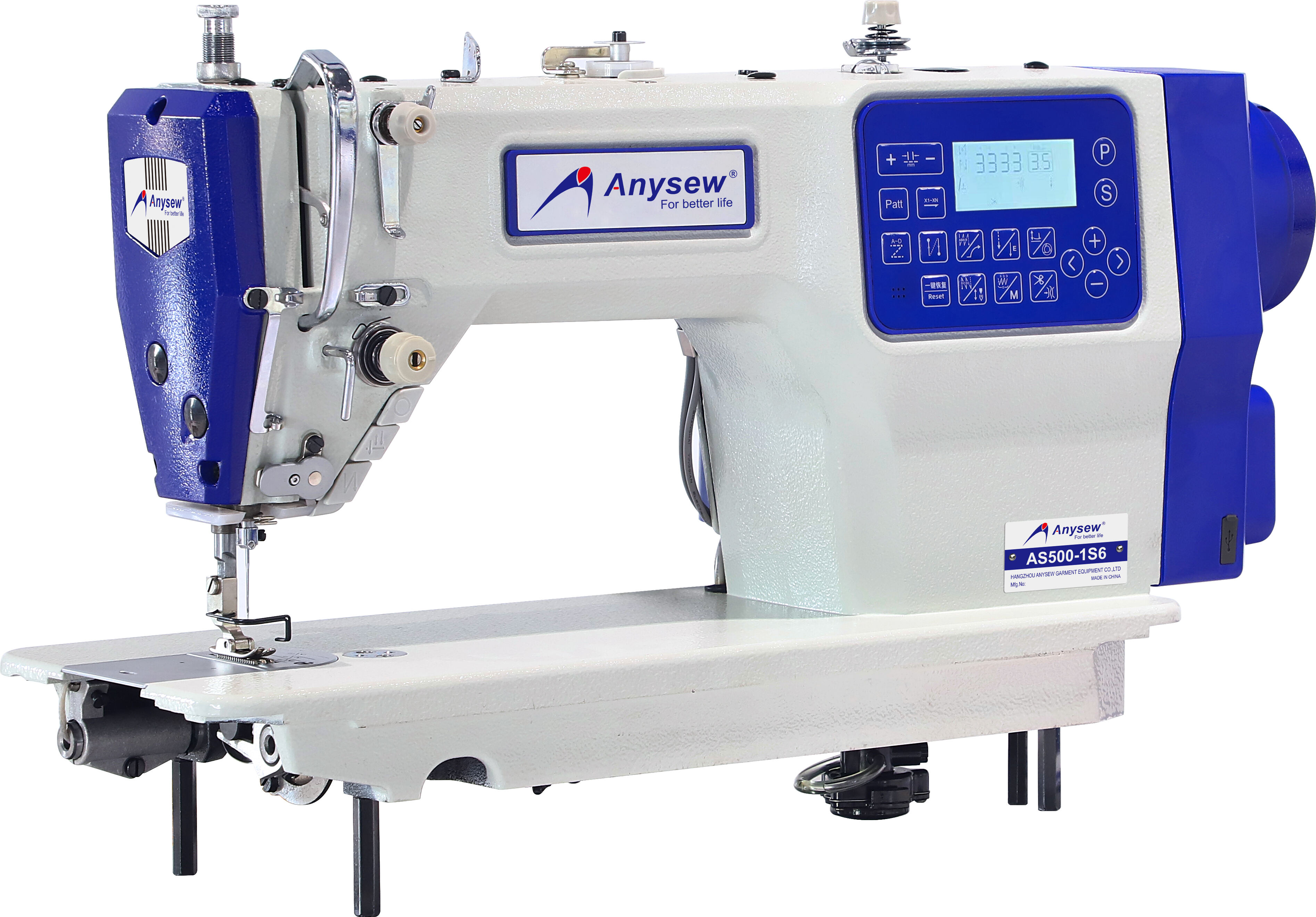
Modern industrial sewing machines offer unprecedented levels of customization, allowing manufacturers to adapt their equipment to specific production requirements. Programmable machines can store multiple stitch patterns and automatically adjust settings for different materials or products. This flexibility enables quick changeovers between different production runs, reducing downtime and increasing overall productivity.
The ability to customize operations extends to specialized attachments and accessories that can be added to base machines, further expanding their capabilities. These modifications allow manufacturers to optimize their equipment for specific applications while maintaining the core benefits of industrial sewing technology.
Economic Impact and Return on Investment
Cost Efficiency in Large-Scale Production
The initial investment in industrial sewing machines is offset by their significant contribution to operational efficiency and reduced production costs. These machines can operate continuously for extended periods, requiring minimal downtime for maintenance. Their high-speed operation and consistent output quality result in lower per-unit production costs, making them economically advantageous for large-scale manufacturing operations.
Labor costs are also optimized through the use of industrial sewing machines. Their automated features and high productivity mean that fewer operators are needed to achieve production targets, while the consistency of output reduces the need for quality control personnel. This efficiency in labor utilization contributes significantly to overall cost savings.
Long-Term Value and Durability
Industrial sewing machines are built to last, with robust construction and high-quality components that ensure years of reliable service. This durability translates into excellent long-term value, as the machines continue to perform efficiently with proper maintenance. The longevity of these machines helps manufacturers avoid frequent replacement costs and maintains consistent production quality over extended periods.
The sustainable nature of industrial sewing machines also contributes to their long-term value. Their efficient operation and minimal waste generation align with modern manufacturing's focus on sustainability, while their durability reduces the environmental impact of frequent equipment replacement.
Frequently Asked Questions
What distinguishes industrial sewing machines from domestic models?
Industrial sewing machines are built for continuous operation, featuring stronger motors, metal components, and specialized mechanisms for high-speed production. They offer superior stitch quality, faster operation, and greater durability compared to domestic machines, making them essential for manufacturing environments.
How do industrial sewing machines impact manufacturing productivity?
These machines significantly boost productivity through high-speed operation, automated features, and consistent performance. They can produce thousands of stitches per minute while maintaining quality, enabling manufacturers to handle large production volumes efficiently and meet tight deadlines.
What maintenance requirements do industrial sewing machines have?
Regular maintenance includes daily cleaning, proper lubrication, timing adjustments, and periodic professional servicing. While industrial sewing machines require consistent maintenance, their robust construction and quality components make them highly reliable with proper care, ensuring minimal downtime in manufacturing operations.