
 EN
EN
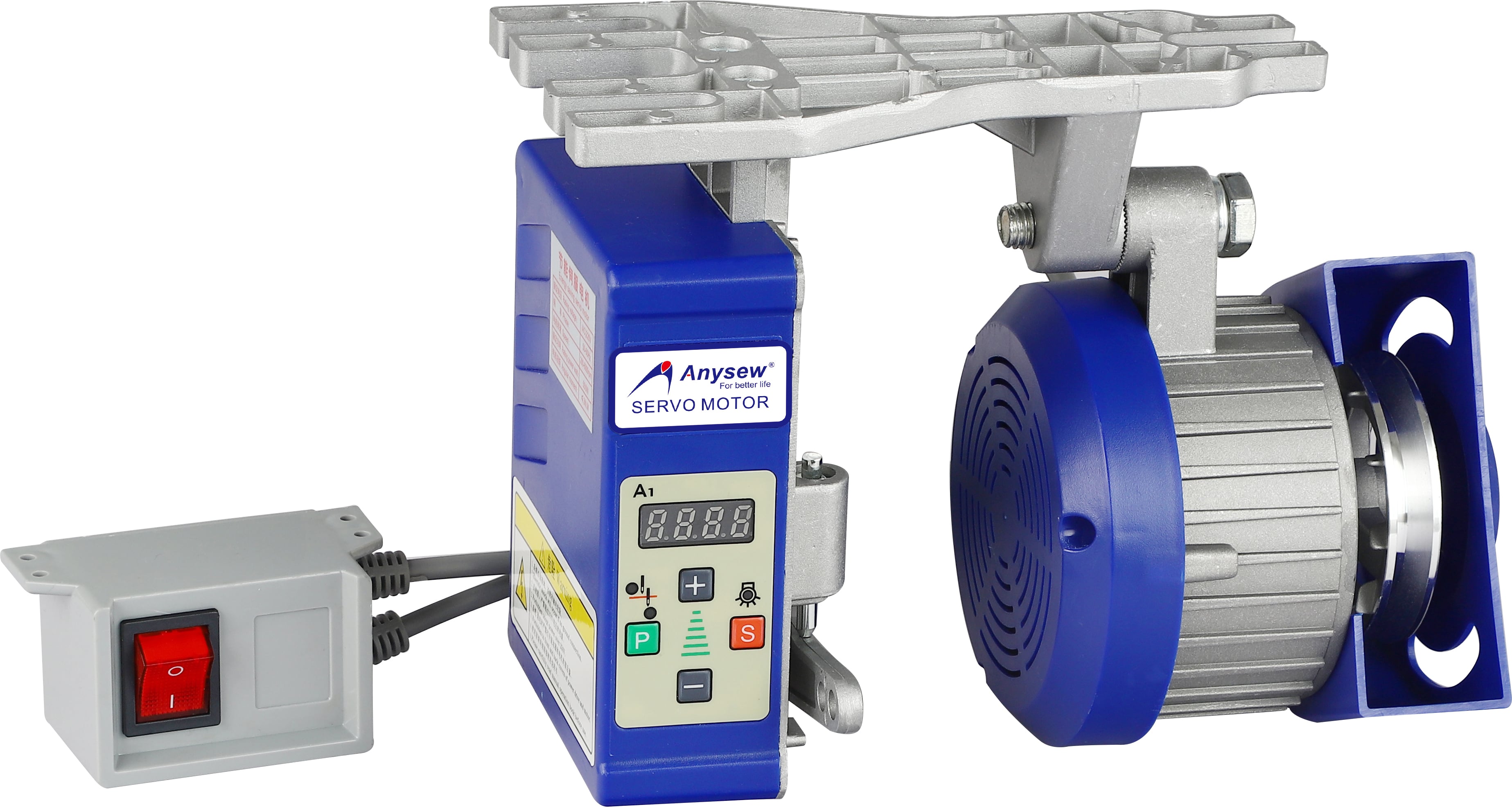
In modern manufacturing and industrial operations, productivity directly impacts profitability. One of the most effective ways to enhance operational efficiency is upgrading to a servo motor system. A servo motor delivers superior precision, responsiveness, and control compared to traditional motors, making it a transformative investment for businesses seeking competitive advantage. Organizations that transition to servo motor technology report measurable improvements in output quality, reduced downtime, and lower operational costs. Understanding why a servo motor upgrade matters is essential for facility managers and production leaders making equipment decisions.
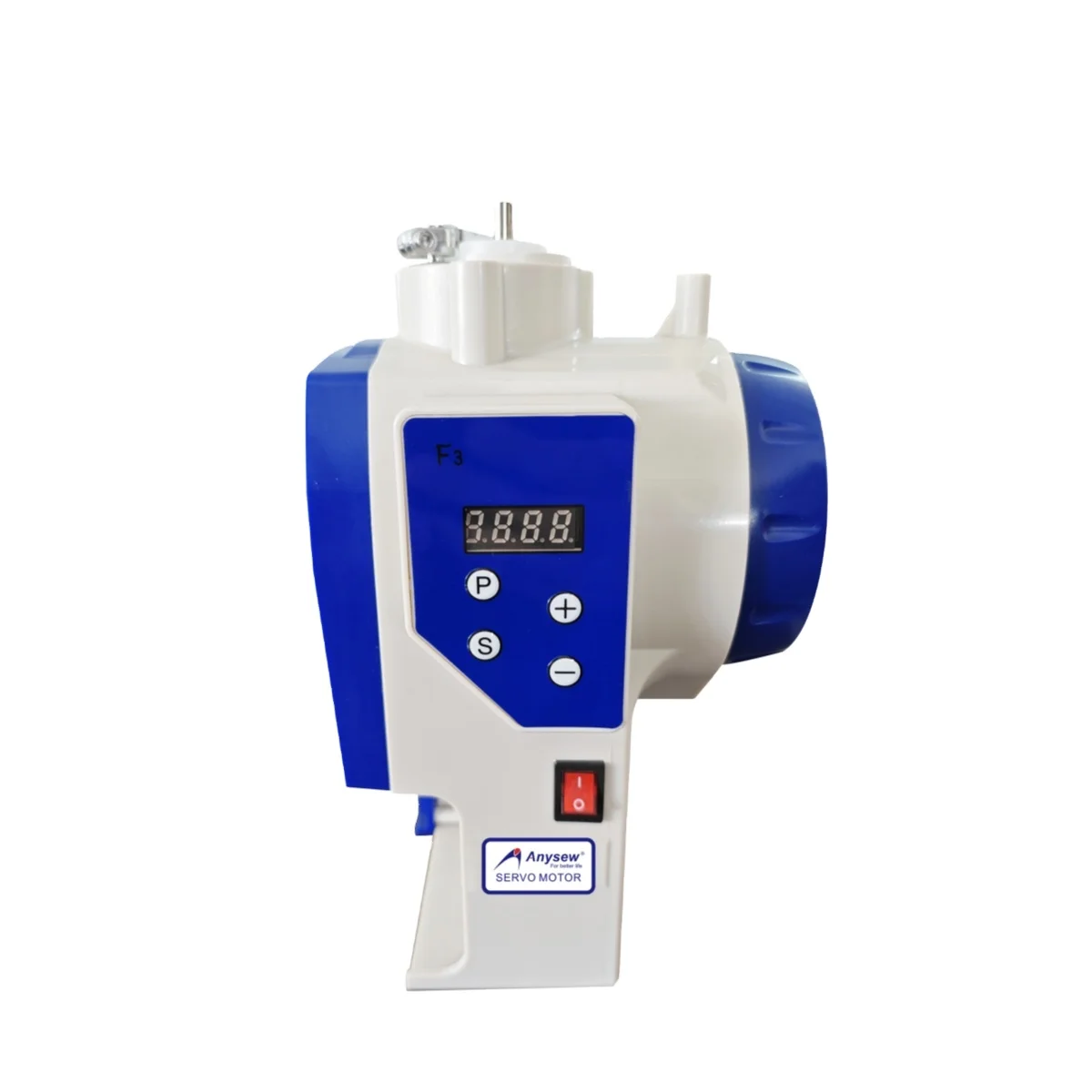
The difference between a servo motor and conventional motor technology lies in fundamental engineering principles. A servo motor uses closed-loop feedback control, meaning it continuously monitors its own performance and adjusts in real time. This capability eliminates drift, compensates for load variations, and maintains exact positioning throughout operation. When you upgrade to a servo motor, your production lines gain the ability to operate with tighter tolerances, faster response times, and greater consistency. These improvements translate directly into higher output, fewer defects, and reduced scrap waste. For industries like textiles, automation, packaging, and precision manufacturing, a servo motor upgrade is not merely an enhancement but a strategic necessity.
Precision and Accuracy Advantages of Servo Motor Upgrades
Enhanced Positional Control and Repeatability
One of the primary reasons organizations choose a servo motor upgrade is the dramatic improvement in positional accuracy. Traditional motors operate at fixed speeds with minimal feedback capability, leading to cumulative position errors over time. A servo motor corrects this problem through continuous closed-loop verification. Each movement is validated against the target position, and any deviation triggers an immediate correction. In industrial sewing, embroidery, and textile applications, this servo motor precision enables stitch patterns that meet exact specifications every single time. When you implement a servo motor system, you eliminate the random variation that plagues conventional setups, resulting in product uniformity that satisfies even the most demanding quality standards.
Consistency Across Production Runs
Manufacturing environments require absolute consistency to meet customer expectations and regulatory requirements. A servo motor delivers this consistency because its behavior is entirely predictable and measurable. Unlike brushed or stepper motors that degrade with wear, a servo motor maintains its performance envelope indefinitely when properly maintained. This stability means your first production run and your thousandth production run produce identical results. For industries manufacturing medical devices, aerospace components, or consumer goods subject to strict quality certifications, upgrading to a servo motor eliminates a major source of batch-to-batch variation. The servo motor's ability to hold position precisely under load ensures that complex multi-step processes remain synchronized and accurate throughout extended production cycles.
Efficiency Gains and Cost Reduction Through Servo Motor Technology
Reduced Energy Consumption and Operating Costs
Energy efficiency represents a substantial portion of manufacturing operating expenses. A servo motor upgrade directly addresses this cost driver through intelligent power management. Unlike traditional motors that consume full power continuously regardless of actual load demand, a servo motor draws power proportional to its real-time workload. This demand-responsive behavior significantly reduces energy waste, particularly in applications involving intermittent motion or variable load profiles. Industrial facilities upgrading to servo motor systems typically observe electricity consumption reductions ranging from twenty to forty percent. Over the course of a year, this efficiency translates into meaningful cost savings that contribute to return on investment. Additionally, the servo motor's precise control minimizes mechanical stress and vibration, extending the operational lifespan of connected equipment and reducing maintenance frequency and associated costs.
Minimized Material Waste and Scrap Reduction
In manufacturing environments, material waste directly impacts profitability. Every defective unit represents lost raw material, lost labor, and lost opportunity cost. A servo motor upgrade substantially reduces scrap rates by enabling tighter process control and higher accuracy. When production equipment operates with the precision that a servo motor provides, fewer components miss specification, fewer quality rejects occur, and less material goes to waste. In textile production, for example, a servo motor-powered embroidery or sewing machine produces fewer misaligned stitches, thread breaks, and out-of-specification products. The servo motor's responsive feedback allows the system to detect and correct potential errors before they result in defects. Over extended production runs, this servo motor precision advantage compounds, yielding substantial waste reduction that translates into improved margins and reduced environmental impact.
Performance Enhancement and Production Throughput
Increased Speed Capability and Output Acceleration
Production speed directly influences facility throughput and revenue capacity. A servo motor upgrade enables faster acceleration, higher peak speeds, and better dynamic response compared to conventional motors. The closed-loop control inherent in servo motor design allows operators to push equipment closer to theoretical maximum speeds while maintaining quality and reliability. Traditional motors often operate conservatively below their limits to avoid instability or positioning errors, effectively leaving productivity on the table. When you implement a servo motor system, you can increase production line speed while simultaneously improving precision and consistency. This servo motor advantage creates a productivity multiplier effect: faster cycle times coupled with fewer defects equals significantly higher good-product output. Many facilities report production rate increases of fifteen to thirty percent after upgrading to servo motor technology, providing rapid payback on capital investment.
Adaptive Performance and Load Handling
Real-world manufacturing environments rarely present ideal conditions. Material properties vary, ambient temperatures fluctuate, and mechanical wear gradually affects equipment performance. A servo motor handles these variations through continuous adaptive control. The closed-loop feedback system monitors actual performance and adjusts output parameters automatically to maintain target behavior. When load suddenly increases, the servo motor increases torque output to maintain speed and positioning accuracy. When ambient temperature changes, the servo motor compensates for thermal effects on material properties and mechanical clearances. This adaptive capability means your production equipment performs consistently regardless of environmental shifts or material variation. Traditional motors lack this adaptive intelligence, forcing operators to manually adjust speeds, feeds, and parameters when conditions change. The servo motor's automatic compensation reduces operator workload, minimizes quality variation, and enables higher utilization rates across diverse production scenarios. This servo motor adaptability is particularly valuable in facilities running multiple product types or operating in variable environmental conditions.
FAQ
What specific industries benefit most from servo motor upgrades?
Industries requiring precision, speed, and consistency see the greatest benefits from servo motor implementation. Textile and apparel manufacturing, particularly embroidery and industrial sewing, gains enormous advantage from servo motor precision and speed. Packaging machinery, automation equipment, and robotics all benefit substantially from servo motor responsiveness. Medical device manufacturing and aerospace component production rely on servo motor accuracy to meet strict regulatory tolerances. Even consumer goods production improves efficiency and reduces waste through servo motor upgrades. Any operation that values consistency, precision, or speed should evaluate servo motor technology for potential application.
How quickly does a servo motor upgrade pay for itself?
Return on investment for servo motor upgrades varies based on current operating costs, production volume, and application specifics. Many facilities see payback within twelve to twenty-four months through reduced material waste, lower energy consumption, and increased throughput. High-volume production environments typically achieve faster payback because productivity gains and waste reduction benefits accumulate across larger volumes. Facilities already experiencing significant scrap rates or operating at reduced speeds due to equipment limitations often see accelerated returns. A detailed cost-benefit analysis comparing current operating expenses against projected efficiency improvements will reveal the specific financial timeline for your servo motor investment.
Does upgrading to a servo motor require extensive operator retraining?
Modern servo motor systems are designed with operator usability as a priority. While operators should understand servo motor capabilities and control interfaces, most systems feature intuitive programming and straightforward adjustment procedures. Initial training typically focuses on parameter adjustment, speed and acceleration settings, and basic troubleshooting. Because servo motor systems are highly reliable and automatically maintain performance parameters, they often require less active operator intervention than traditional equipment. Manufacturers of servo motor equipment generally provide comprehensive training and documentation to ensure smooth implementation and operator competency.