
 EN
EN
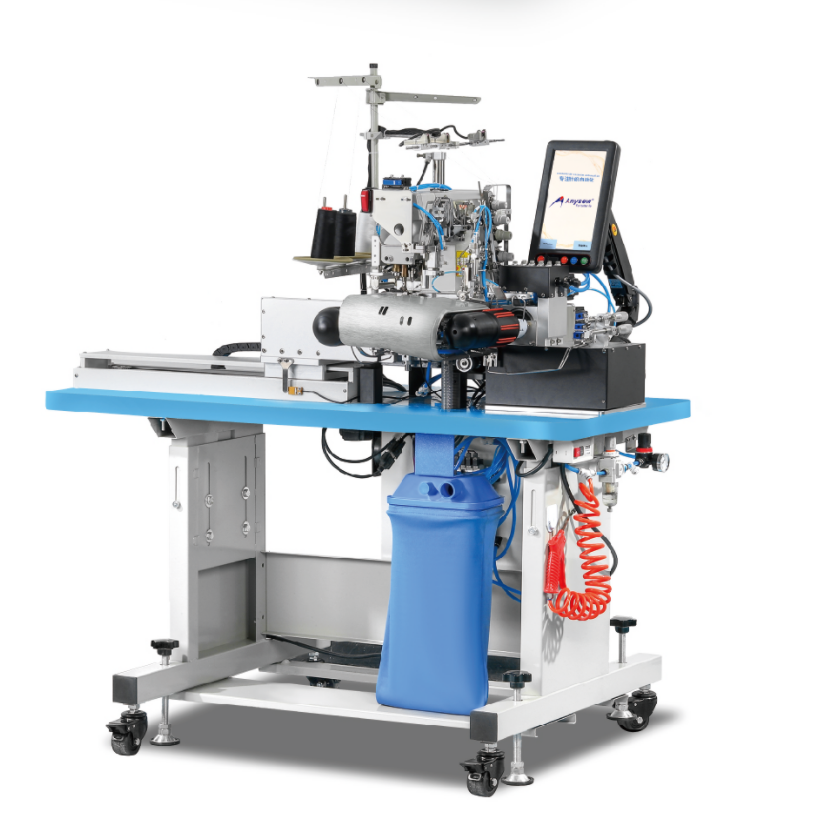
Արդյունաբերական կարման սարքերի արդյունավետ կիրառմանն աշխատողների վարժապետությունը կարևոր ներդրում է, որն անմիջականորեն ազդում է արտադրության որակի, աշխատանքային անվտանգության և գործառնական արդյունավետության վրա արտադրական միջավայրում։ Տնային կարման սարքավորումներից հակառակ, արդյունաբերական կարման սարքերը պահանջում են հատուկ գիտելիքներ, ճիշտ տեխնիկայի ձևավորում և համապարփակ անվտանգության կանոններ՝ նրանց ներուժը առավելագույնի հասցնելու, միաժամանակ նվազագույնի հասցնելով աշխատանքային վթարներն ու սարքավորումների վնասվածքները:
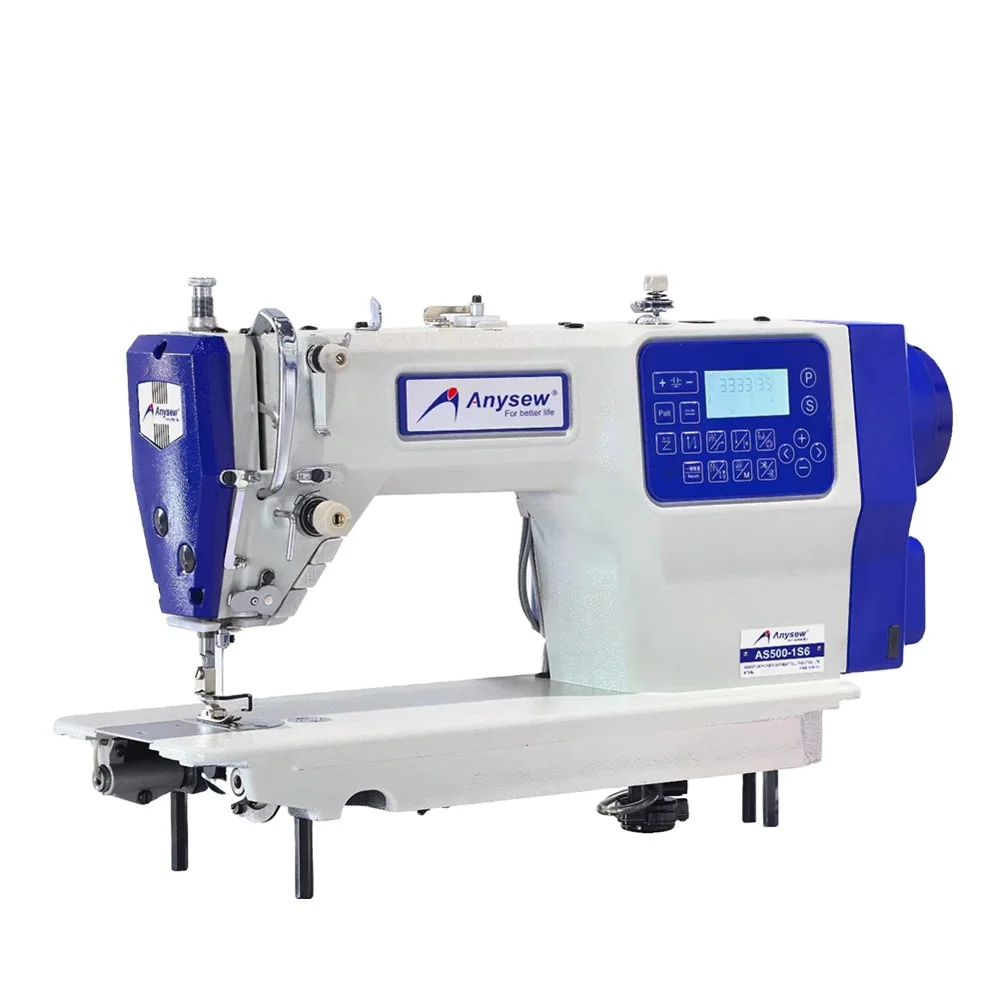
Արդյունաբերական կարի մեքենաների հաջողակ ուսումնական ծրագրերը համատեղում են տեսական գիտելիքները գործնական պրակտիկայի հետ՝ ապահովելով, որ աշխատողները հասկանան ինչպես սարքավորումների մեխանիկական կողմերը, այնպես էլ իրենց արտադրական առաջադրանքների կոնկրետ պահանջները: Այս համապարփակ մոտեցումը կրճատում է ուսուցման կորերը, բարելավում է արտադրանքի հետևողականությունը և ստեղծում է ավելի վստահ աշխատուժ, որը կարող է հարմարվել տարբեր արտադրական պահանջներին և սարքավորումների սպեցիֆիկացիաներին:
Ժամանակակից արդյունաբերական կարման սարքավորումների բարդությունը պահանջում է կառուցված վերապատրաստման մեթոդներ, որոնք միաժամանակ հաշվի են առնում տեխնիկական կարողությունները, անվտանգության կանոնները և որակի ստանդարտները։ Այն կազմակերպությունները, որոնք ներդնում են հիմնական վերապատրաստման ծրագրեր, սովորաբար ավելի քիչ դադարներ են ապրում, ավելի ցածր պահպանման ծախսեր ունեն և բարելավված աշխատողների բավարարվածություն, միևնույն ժամանակ պահպանելով մրցունակ արտադրական графики և որակի չափանիշներ:
Արդյունաբերական կարման սարքերի վերապատրաստման համար անհրաժեշտ նախապայմաններ
Լրացուցիչ մեխանիկական ըմբռումի պահանջներ
Արդյունաբերական կարման մեքենաների վրա աշխատելու համար վերապատրաստման ընթացքում աշխատողները պետք է ունենան հիմնարար մեխանիկական ունակություններ և ճշգրիտ սարքավորումների կառավարման հասկացողություն: Այս հիմքը ներառում է լարվածության համակարգերի, թելային մեխանիզմների և հիմնական խնդիրների վերացման հասկացողություն, որոնք անհրաժեշտ են արդյունավետ մեքենայի կառավարման համար: Թեկնածուները պետք է ցուցաբերեն հարմարավետություն մանրամասն հրահանգների հետ և հաջորդական գործընթացները հաստատակամ կերպով կատարելու ունակություն:
Ֆիզիկական պահանջներին պատկանում է ձեռք-աչք կոորդինացիան, մանրամասն աշխատանքի համար տեսողական սուրությունը և վերահսկողություններն ու նյութերը միաժամանակ կառավարելու բավարար ճկունությունը: Աշխատողները պետք է հասկանան ճշգրտության կարևորությունը արդյունաբերական միջավայրում, որտեղ թույլատվությունները չափվում են միլիմետրի կոտորակներով, իսկ հաստատակամությունը ուղղակիորեն ազդում է արտադրանքի որակի և արտադրողականության վրա:
Անվտանգության իրազեկվածություն և աշխատանքային կանոնակարգեր
Անվտանգության նկատմամբ իրազեկությունը հիմք է հանդիսանում բոլոր արդյունաբերական կարման սարքերի վրա վարժությունների համար, քանի որ այս հզոր սարքերը աշխատում են բարձր արագությամբ՝ սուր մասերով և զգալի մեխանիկական ուժով: Մինչ սկսելը սարքի հետ աշխատանքը, աշխատողները պետք է ցուցաբերեն անձնական պաշտպանական սարքավորումների պահանջների, արտակարգ դադարեցման ընթացակարգերի և վտանգերի նկատմամբ իրազեկվածություն:
Աշխատակազմի աշխատանքային կանոնների նկատմամբ իրազեկվածությունը ներառում է արտադրության ընթացքը, որակի վերահսկման կետերը և արդյունաբերական միջավայրում օգտագործվող կապի համակարգերի ըմբռումը: Այս գիտելիքները համոզված են ապահովում, որ նոր օպերատորները հարմարվում են արդեն գոյություն ունեցող թիմերին՝ պահպանելով հաստատված անվտանգության ստանդարտներն ու գործառնական ընթացակարգերը վարժությունների ընթացքում:
Համապարփակ վարժությունների ծրագրի մշակում
Տեսական հիմքի բաղադրիչներ
Արդյունավետ վարպետության ծրագրերը սկսվում են հիմնարար տեսական ուսուցումով՝ ներառելով սարքավորումների մեխանիկան, շահագործման սկզբունքները և սպասարկման հիմունքները: Այս կրթական հիմքը ներառում է կարի ձևավորման, լարվածության փոխհարաբերությունների և ժամանակաչափական մեխանիզմների մանրամասն բացատրություններ, որոնք կարգավորում են սարքի ճիշտ աշխատանքը: Ուսանողները սովորում են նույնականացնել բաղադրիչները, հասկանալ դրանց փոխազդեցությունը և ճանաչել տարածված շահագործման խնդիրների ախտանիշները:
Մեկ այլ կարևոր տեսական բաղադրիչ է նյութերի գիտությունը, որն ուսուցանում է աշխատողներին, թե ինչպես են տարբեր գործվածքները, թելերը և այլ պարագաները փոխազդում սարքավորումների համակարգերի հետ: Այս գիտելիքները թույլ են տալիս օպերատորներին կատարել ճիշտ կարգավորումներ՝ տարբեր նյութերի համար, միաժամանակ պահպանելով համապատասխան որակի ստանդարտները՝ հաշվի առնելով տարբեր արտադրական պահանջներն ու տեխնիկական պայմանների փոփոխությունները:
Փուլային Վարպետության Զարգացման Փուլեր
Ուսուցման ծրագրերը պետք է ներառեն փոխադարձաբար բարդացող փուլեր, որոնք աստիճանաբար մեծացնում են բարդության և պատասխանատվության մակարդակը: Սկզբնական փուլերը կենտրոնանում են հիմնական գործառնությունների, ճիշտ դիրքավորման և պարզ նյութերի ու հատուկ կարերի օգտագործմամբ հիմնարար տեխնիկայի զարգացման վրա: Աշխատողները տիրապետում են անհրաժեշտ հմտություններին՝ անցնելով ավելի բարդ գործընթացների և ավելի բարդ նյութերի մշակմանը:
Բարդացված փուլերը ներառում են հատուկ տեխնիկաներ, որակի վերահսկման պատասխանատվություններ և խնդիրների լուծման ունակություններ, որոնք թույլ են տալիս աշխատողներին անկախ կերպով կառավարել արտադրության փոփոխականները: Այս զարգացումը ապահովում է յուրաքանչյուր մակարդակում հմտությունների առկայությունը՝ միաժամանակ ձևավորելով վստահություն և տեխնիկական փորձառություն, որը անհրաժեշտ է բարդ արտադրական պայմաններում հաստատական բարձր որակի արդյունքներ ստանալու համար:
Գործնական ուսուցման մեթոդներ
Կառուցվածքավորված պարապմունքներ
Գործնական վարժությունները սկսվում են հիմնավոր կառուցված պրակտիկական առաջադրանքներով, որոնք նախատեսված են մկանային հիշողությունը և ճիշտ տեխնիկան զարգացնելու համար՝ առանց արտադրության նորմաների ճնշման: Այս վարժությունները կենտրոնանում են թելի անցկացման գործընթացների, լարվածության կարգավորման և հիմնական կարման գործողությունների վրա՝ օգտագործելով պրակտիկայի նյութեր, որոնք նմանակում են իրական արտադրական պահանջները՝ թույլատրելով կրկնություն և հմտությունների կատարելագործում:
Փոխարինող պրակտիկական սեսիաները ներկայացնում են ավելի բարդ գործողություններ, նյութերի համադրություններ և որակի պահանջներ, որոնք համապատասխանում են իրական արտադրական սցենարներին: Աշխատողները զարգացնում են իրենց մասնագիտական հմտությունները կրկնության միջոցով՝ ստանալով անմիջական հետադարձ կապ և ուղղումներ, որոնք ապահովում են ճիշտ տեխնիկայի ձևավորումը՝ անցնելուց առաջ արտադրության պարտականություններին և արդյունավետության սպասելիքներին:
Ուսուցման և վերահսկողության ռազմավարություններ
Արդյունավետ վերապատրաստման ծրագրերը նոր աշխատողներին համատեղում են փորձառու օպերատորների հետ, ովքեր տրամադրում են ուղղորդում, ցուցադրում լավագույն պրակտիկաները և անմիջապես հակադարձ կապ ապահովում հմտությունների զարգացման փուլերի ընթացքում: Այս մենթորության հարաբերությունները ստեղծում են աջակցող ուսուցման միջավայր, միաժամանակ ապահովելով տեխնիկայի համապատասխան զարգացումը և անվտանգության կանոնների կատարումը վերապատրաստման ընթացքում:
Կառուցվածքավորված վերահսկողությունը ներառում է կարողությունների պարբերական գնահատում, առաջադիմության փաստաթղթավորում և անհատականացված մարզում՝ հաշվի առնելով կոնկրետ ուսումնառության կարիքներն ու հմտությունների անբավարարությունները: Այս մոտեցումը ապահովում է, որ բոլոր աշխատողները հասնեն պահանջվող թերմանդամության մակարդակին՝ միաժամանակ նույնականացնելով լրացուցիչ վերապատրաստման կամ մասնագիտացման հնարավորությունները՝ կախված անհատական ունակություններից և արտադրության պահանջներից:
Անվտանգության վերապատրաստում և ռիսկերի կառավարում
Մեքենաներին հատուկ անվտանգության կանոններ
Ամբողջական անվտանգության վերապատրաստումը վերաբերում է հետևյալ վտանգներին՝ կապված արդյունաբերական կարման մեքենաները , ներառյալ բարձր արագությամբ ասեղի շարժում, հզոր շարժիչներ և սուր կտրող մասեր։ Աշխատողները սովորում են ճիշտ դիրքավորման տեխնիկան, նյութերի անվտանգ փոխադրման ընթացակարգերը և արտակարգ իրավիճակների արձագանքման ստանդարտները, որոնք կանխում են վնասվածքներ՝ պահպանելով արտադրողական գործողությունները:
Մեքենային հատուկ վարպետությունը ներառում է անջատման/պիտակավորման ընթացակարգեր, ճիշտ միացման և անջատման հաջորդականություններ, ինչպես նաև անվտանգ շահագործման պայմանների նկատառում, որոնք պահանջում են անմիջական միջամտություն: Այս գիտելիքները թույլ են տալիս աշխատողներին անվտանգ շահագործել սարքավորումները՝ նախքան դրանք վթարների կամ սարքավորումների վնասվածքների հանգեցնելը նախազգուշացնելով հնարավոր վտանգները:
Անհատական պաշտպանական միջոցներ և էրգոնոմիկա
Անհատական պաշտպանական միջոցների վերաբերյալ վերապատրաստումը ապահովում է, որ աշխատողները հասկանան աչքերի պաշտպանության, հարմար հագուստի և էրգոնոմիկայի համար նախատեսված պահանջները, որոնք կանխում են կրկնվող լարվածության վնասվածքները՝ երկարատև շահագործման ընթացքում։ Ճիշտ էրգոնոմիկ կազմակերպումը նվազեցնում է հոգնածությունը՝ պահպանելով ճշգրտությունը և հաստատականությունը ամբողջ արտադրական հերթափոխի ընթացքում:
ՈՒսուցումը ընդգծում է կանոնավոր ընդմիջումների, ճիշտ նստատեղի կարգավորման և աշխատանքային տարածքի կազմակերպման կարևորությունը, որը նպաստում է անվտանգ և արդյունավետ շահագործմանը: Աշխատողները սովորում են ճանաչել հոգնածության և լարվածության նշանները՝ իրականացնելով կանխարգելիչ միջոցառումներ, որոնք պահպանում են ինչպես անձնական առողջությունը, այնպես էլ արտադրության որակի ստանդարտները:
Որակի վերահսկում և ստանդարտներ
Ստուգման մեթոդներ և չափանիշներ
Որակի վերահսկման ուսուցումը սովորեցնում է աշխատողներին ճանաչել ընդունելի ստանդարտները, հայտնաբերել թերություններ և իրականացնել ուղղիչ միջոցառումներ արտադրական գործընթացների ընթացքում: Այս ուսուցումը ներառում է կարի որակի գնահատման, կարագոտու ամրության ստուգման և չափային ճշգրտության հաստատման մանրամասն հրահանգներ՝ օգտագործելով համապատասխան չափման գործիքներ և ստուգման մեթոդներ:
Աշխատողները սովորում են համակարգային զննման ընթացակարգեր, որոնք ապահովում են հաստատուն որակ՝ արտադրության արդյունավետությունը պահպանելով: Այս գիտելիքների մեջ մտնում է սպեցիֆիկացիայի հանգույցների, փաստաթղթավորման պահանջների և որակի հարցերի համար վերահսկողի ուշադրություն կամ ընթացակարգերի ճշգրտում պահանջող հաղորդակցման ստանդարտների հասկացումը:
Փաստաթղթավորման և հետևելիության պահանջներ
Ժամանակակից արդյունաբերական միջավայրերը պահանջում են համապարփակ փաստաթղթավորման և հետևելիության համակարգեր, որոնք աշխատողները պետք է հասկանան և համասեղ իրականացնեն: Ուսուցումը ներառում է ճիշտ գրառումների ведում, որակի փաստաթղթավորման պահանջներ և հետևելիության ստանդարտներ, որոնք ապահովում են որակի ապահովումը և անընդհատ բարելավման նախաձեռնությունները:
Աշխատողները սովորում են վարել ճշգրիտ արտադրության հաշվառում, որակի ստուգման ամփոփագրեր և պահպանման փաստաթղթեր, որոնք ապահովում են ընդհանուր որակի կառավարման համակարգերը: Այս փաստաթղթերը հնարավորություն են տալիս արդյունավետ խնդիրների լուծման, գործընթացների բարելավման և կանոնական համապատասխանության ապահովման, ինչպես նաև տվյալներ են տրամադրում արդյունավետության օպտիմալացման և սարքավորումների կառավարման որոշումների համար:
Խափանումների վերացման և սպասարկման վարպետություն
Տարածված խնդիրների նույնականացում
Խնդիրների լուծման վերապատրաստումը թույլ է տալիս աշխատողներին նույնականացնել տարածված շահագործման խնդիրները, իրականացնել համապատասխան լուծումներ և որոշել, թե երբ է անհրաժեշտ տեխնիկական աջակցություն կամ պահպանման միջամտություն: Այս գիտելիքները կրճատում են դադարը՝ կանխելով, որ փոքր խնդիրները չվերածվեն խոշոր սարքավորումների խնդիրների կամ որակի թերությունների:
Աշխատողները սովորում են համակարգային ախտորոշման մոտեցումներ, որոնք նպատակ ունեն թելի լարվածության հետ կապված խնդիրները, կարի ձևավորման խնդիրները և մեխանիկական անսաղմանությունները վերացնել տրամաբանական խնդիրների լուծման մեթոդների միջոցով: Այս վարժապետությունը ներառում է պատճառ-հետևանքային կապերի, ճիշտ կարգավորման ընթացակարգերի և սպասարկման հայտերի ու վերանորոգման գործողությունների համար փաստաթղթավորման պահանջների հասկացությունը:
Կանխարգելիչ սպասարկման պարտականություններ
Օպերատորական մակարդակի սպասարկման վարժապետությունը ներառում է ամենօրյա զննման ընթացակարգեր, յուղման պահանջներ և մաքրման ստանդարտներ, որոնք երկարաձգում են սարքավորումների կյանքը՝ պահպանելով օպտիմալ աշխատանքային կարողությունը: Աշխատողները սովորում են նույնականացնել մաշվածության ցուցանիշները, փոխարինել սպառման ենթակա մասերը և կատարել պարբերական կարգավորումներ, որոնք կանխում են թանկարժեք խափանումներն ու արտադրության դադարները:
Ուսուցումը ընդգծում է համապատասխան սպասարկման գործընթացների, ճիշտ փաստաթղթավորման և սպասարկման կարիքների ժամանակին զեկուցման կարևորությունը, որոնք պահանջում են տեխնիկական փորձառություն: Այս գործողությունների արդյունքում նվազում են սպասարկման անսպասելի անհարմարվածությունները, իսկ սարքավորումները ամբողջ ծառայողական կյանքի ընթացքում աշխատում են առավելագույն արդյունավետությամբ:
Կատարողականի գնահատում և սերտիֆիկացում
Մասնագիտական ունակությունների գնահատման մեթոդներ
Մասնագիտական ունակությունների համապարփակ գնահատումը ներառում է գործնական ցուցադրումներ, գրավոր թեստեր և որակի գնահատումներ, որոնք հաստատում են աշխատողների մասնագիտական ունակությունները ողջ ուսուցման ծրագրի ընթացքում: Այս գնահատումները ապահովում են, որ աշխատողներն ունեն անհրաժեշտ հմտությունները, և նույնաժամանակ նրանց մեջ նախապես հայտնաբերում են այն ոլորտները, որտեղ անհրաժեշտ է լրացուցիչ ուսուցում կամ պրակտիկա՝ անկախ աշխատանքի թույլտվություն ստանալուց առաջ:
Գնահատման մեթոդներին պատկանում են ժամանակաչափով արտադրական վարժություններ, որակի հաստատունության ստուգումներ և խնդիրների լուծման սցենարներ, որոնք նմանակում են իրական արտադրական մարտահրավերներ: Այս համապարփակ մոտեցումը հաստատում է ինչպես տեխնիկական թե՛ գործնական կիրառման ունակությունները, որոնք անհրաժեշտ են հաջող ինտեգրման համար արտադրական գործընթացներում:
Շարունակական վերապատրաստում և հմտությունների զարգացում
Շարունակական բարելավումը պահանջում է շարունակական վերապատրաստման ծրագրեր, որոնք ընդգրկում են նոր տեխնոլոգիաներ, գործընթացների բարելավումներ և առաջադեմ մեթոդներ, որոնք բարձրացնում են աշխատողների հմտություններն ու արտադրողականությունը: Պարբերաբար թարմացվող հմտությունները ապահովում են, որ աշխատողները մնան թարմացված արդյունաբերության զարգացումների հետ, միաժամանակ ընդլայնելով իրենց հարմարվողականությունն ու արժեքը կազմակերպության գործողություններում:
Գործարանային կազմակերպություններում աշխատողների մասնագիտացման ծրագրերը, խաչաձև վերապատրաստման նախաձեռնությունները և ղեկավարների զարգացման ծրագրերը հնարավորություն են տալիս կարիերայի առաջխաղացման և կազմակերպության ներուժի ամրապնդման համար: Աշխատողների զարգացման նման ներդրումը նպաստում է նրանց պահպանմանը և ապահովում է որակյալ աշխատողների հասանելիություն, ովքեր կարող են համապատասխանել արտադրության փոփոխվող պահանջներին և որակի ստանդարտներին:
Հաճախ տրամադրվող հարցեր
Որքա՞ն ժամանակ է պահանջվում արդյունաբերական կարման մեքենայով վերապատրաստում անցնելու համար
Լրիվ արդյունաբերական կարման մեքենայով վերապատրաստումը սովորաբար պահանջում է 2-4 շաբաթ հիմնական ունակություններ ձեռք բերելու համար՝ կախված անհատական ունակություններից և նախնական փորձից: Բարդացված ունակություններ ձեռք բերելը կարող է պահանջել 6-12 ամիս վերահսկվող պրակտիկա և անընդհատ հմտությունների զարգացում: Վերապատրաստման տևողությունը տարբերվում է՝ կախված սարքավորումների բարդությունից, արտադրության պահանջներից և անհատական ուսուցման կարողություններից:
Որ որակավորումներ պետք է ունենան աշխատողները արդյունաբերական կարման մեքենայով վերապատրաստում սկսելուց առաջ
Աշխատողները պետք է ունենան հիմնական մեխանիկական ունակություններ, բավարար ձեռք-աչք կոորդինացիա և կարողանան հաստատակամորեն հետևել մանրամասն հրահանգներին: Նախորդ փորձը կարելի է օգտակար լինել, սակայն պարտադիր չէ, քանի որ արդյունաբերական սարքավորումները տարբեր կերպ են աշխատում տնային մեքենաներից: Ֆիզիկական պահանջներին են դասվում բավարար ճկունությունը, տեսողական սրությունը և համառ աշխատանքի համար անհրաժեշտ դիմացկունությունը:
Ինչպե՞ս կարող են կազմակերպությունները չափել իրենց վերապատրաստման ծրագրերի արդյունավետությունը
Վերապատրաստման արդյունավետության գնահատումը ներառում է արտադրողականության մետրիկներ, որակի ցուցանիշներ, անվտանգության դեպքերի հաճախադեպություն և աշխատողների պահպանման վիճակագրություն: Կազմակերպությունները պետք է հետևեն աշխատանքի իրականացման ժամանակահատվածին, սխալների քանակին, սարքավորումների անդադար աշխատանքի դադարին և վերապատրաստման ծախսերին՝ համեմատելով արտադրողականության աճի հետ: Պարբերական ունակությունների գնահատումները և աշխատողների հետադարձ կապը լրացուցիչ տեղեկություններ են տալիս ծրագրի արդյունավետության և բարելավման հնարավորությունների մասին:
Ո՞ր շարունակական աջակցություն պետք է տրամադրվի սկզբնական վերապատրաստումն ավարտելուց հետո
ՈՒսուցման ավարտից հետո աջակցությունը ներառում է մարզողական ծրագրեր, կանոնավոր հմտությունների գնահատականներ, վերապատրաստման դասեր և տեխնիկական ռեսուրսներին հասանելիություն՝ խնդիրներ լուծելու օգնության համար։ Կազմակերպությունները պետք է առաջարկեն բարձրագույն վերապատրաստման, համատեղ վերապատրաստման և մասնագիտացման հնարավորություններ՝ պահպանելով հարցեր և անհանգստություններ ներկայացնելու համար բաց կապի ալիքներ։ Անընդհատ բարելավման նախաձեռնությունները ապահովում են, որ աշխատողները իրենց տիրապետեն լավագույն պրակտիկաներին և տեխնոլոգիական նվաճումներին։
Բովանդակության աղյուսակ
- Արդյունաբերական կարման սարքերի վերապատրաստման համար անհրաժեշտ նախապայմաններ
- Համապարփակ վարժությունների ծրագրի մշակում
- Գործնական ուսուցման մեթոդներ
- Անվտանգության վերապատրաստում և ռիսկերի կառավարում
- Որակի վերահսկում և ստանդարտներ
- Խափանումների վերացման և սպասարկման վարպետություն
- Կատարողականի գնահատում և սերտիֆիկացում
-
Հաճախ տրամադրվող հարցեր
- Որքա՞ն ժամանակ է պահանջվում արդյունաբերական կարման մեքենայով վերապատրաստում անցնելու համար
- Որ որակավորումներ պետք է ունենան աշխատողները արդյունաբերական կարման մեքենայով վերապատրաստում սկսելուց առաջ
- Ինչպե՞ս կարող են կազմակերպությունները չափել իրենց վերապատրաստման ծրագրերի արդյունավետությունը
- Ո՞ր շարունակական աջակցություն պետք է տրամադրվի սկզբնական վերապատրաստումն ավարտելուց հետո