
 EN
EN
Արդյունաբերական արտադրությունը մեծ հիմնավորվածություն ունի ճշգրիտ կտրման գործողությունների վրա՝ հումքը վերածելով վերջնական արտադրանքի: Հարմար կտրող մեքենաների ընտրությունը ուղղակիորեն ազդում է արտադրության արդյունավետության, նյութերի կորստի նվազեցման և ընդհանուր առմամբ արտադրանքի որակի վրա: Ժամանակակից արտադրամասերը օգտագործում են տարբեր հատուկ կտրման տեխնոլոգիաներ, որոնք նախատեսված են կոնկրետ նյութեր և կիրառություններ մշակելու համար: Տարբեր տեսակի կտրող մեքենաների հատկանիշների և հնարավորությունների իմացությունը թույլ է տալիս արտադրողներին ընտրել իրենց արտադրական պահանջներին ամենահարմար սարքավորումները:
Մեխանիկական կտրման տեխնոլոգիաներ
Լентаյին դանակի համակարգեր
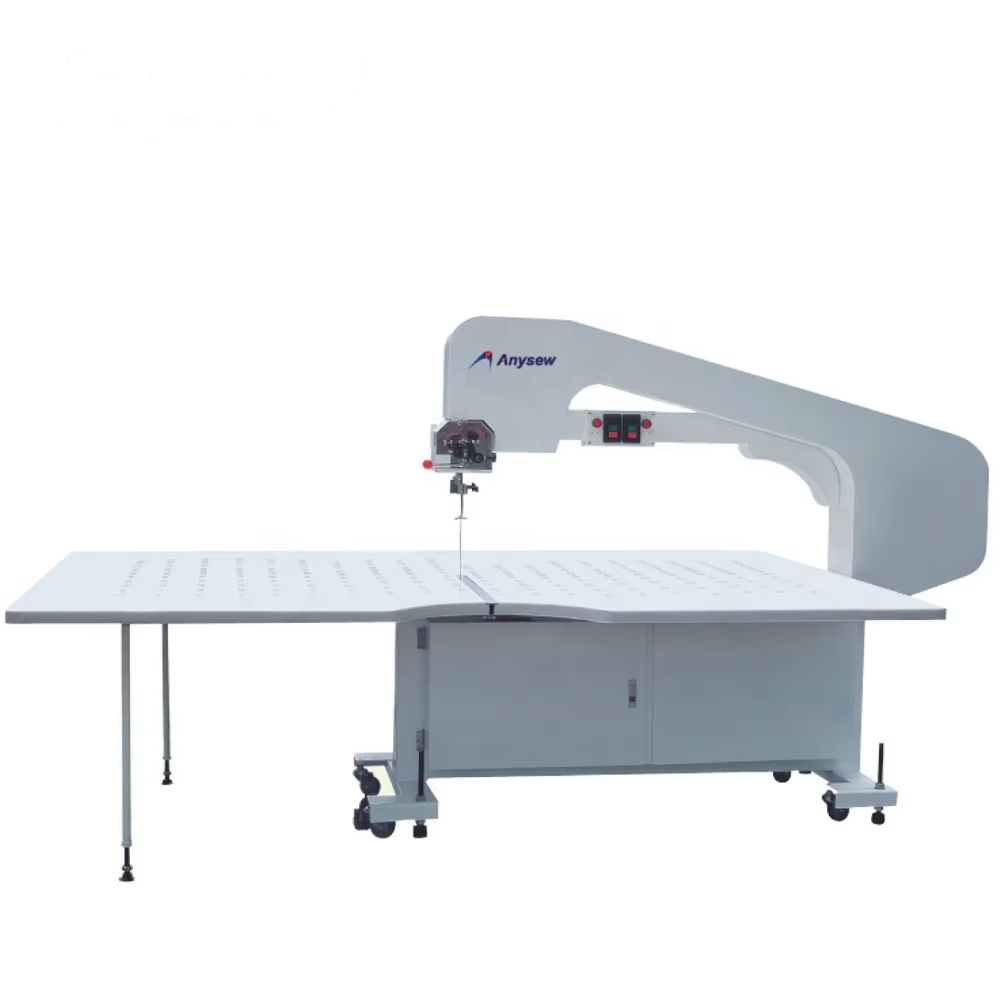
Լենտային դանակով կտրող սարքերը արդյունաբերական պայմաններում մեխանիկական կտրման ամենատարածված լուծումներից են: Այս համակարգերն օգտագործում են շարունակական օղակաձև սղոց, որը ուղղահայաց շարժվում է կտրվող նյութի միջով՝ ապահովելով բացառիկ ճշգրտություն և մաքուր կտրվածքներ: Ուղղահայաց սղոցի կառուցվածքը թույլ է տալիս օպերատորներին հետևել բարդ կտրման նախշերին՝ պահպանելով կտրման ընթացքում հաստատուն ճնշում և արագություն:
Լենտային դանակի համակարգերի հիմնական առավելությունը կայանում է նրանց ունակության մեջ միաժամանակ մշակել բազմաթիվ շերտեր՝ առանց կտրման ճշգրտությունը կորցնելու: կտրող մեքենաների օգտագործում այս համակարգերը հատկապես արդյունավետ են տեքստիլ արտադրության, ավտոմեքենաների ներքին հարդարանքների արտադրության և կոշիկի արտադրության մեջ, որտեղ անհրաժեշտ են բարդ ձևեր և կորեր: Սղոցի սրությունը և կտրման խորությունը կարող են կարգավորվել՝ համապատասխանեցնելով տարբեր հաստության և խտության նյութերին:
Ժամանակակից շեղբավոր դանակի սարքավորումները ներառում են առաջատար հնարավորություններ, ինչպիսիք են օդային սղոցի լարման համակարգերը, ավտոմատ սղոցի սրելու մեխանիզմները և ճշգրիտ ուղեկցման համակարգերը: Այս բարելավումները երկարատև արտադրական ցիկլերի ընթացքում հաստատուն կտրող կատարողականություն են ապահովում՝ նվազագույնի հասցնելով սղոցի մաշվածությունն ու սպասարկման պահանջները: Ուղղահայաց կտրման գործողությունը նաև նվազեցնում է նյութի դեֆորմացիան, ինչը սարքերին հատկապես հարմար է դարձնում նուրբ կամ ձգվող նյութերի համար:
Ռոտացիոն կտրման սարքավորում
Ռոտացիոն կտրման սարքերը օգտագործում են շրջանաձև սղոցներ, որոնք բարձր արագությամբ պտտվում են՝ նյութերը հսկայական արդյունավետությամբ կտրելու համար: Այս համակարգերը հատկապես արդյունավետ են անընդհատ կտրման գործողությունների համար, երբ անհրաժեշտ են ուղիղ գծեր կամ փոքր կորեր: Պտտվող սղոցի կոնստրուկցիան հնարավորություն է տալիս ավելի բարձր կտրման արագությունների հասնել հակադարձ շարժվող սղոցների համակարգերի համեմատ, ինչը դրանք դարձնում է իդեալական բարձր ծավալով արտադրական միջավայրերի համար:
Ռոտացիոն կտրող սարքավորումների հարմարավետությունը տարածվում է բազմաթիվ արդյունաբերությունների վրա՝ սկսած թղթի փոխարկման գործընթացներից մինչև տեքստիլի արտադրություն և փաթեթավորման կիրառություններ։ Կտրող սղոցի տրամագիծը և կտրման անկյունը կարող են ճշգրտվել՝ համապատասխանեցնելու համար կոնկրետ նյութի հատկություններին և կտրման պահանջներին։ Ռոտացիոն շատ համակարգեր նաև ներառում են կտրման ճնշումը կարգավորող սարքեր՝ կտրման ընթացքում նյութի սեղմումը կամ վնասվածքը կանխելու համար։
Ըարքացի պարուրաձև կտրող մեքենաները ստանձնական կառավարման համակարգեր են, որոնք թույլատրում են ճշգրիտ դարակի տեղադրում և կտրման ուղու օպտիմալացում: Այս ավտոմատացված կառավարումները նվազեցնում են օպերատորի հոգնածությունը՝ միաժամանակ բարելավելով կտրման համարները և նյութի օգտագործման աստիճանը: Պարուրաձև դարակների բարձր արագությամբ աշխատանքը նաև առաջացնում է ավելի քիչ ջերմություն այլ կտրման մեթոդների համեմատ, պահպանելով նյութի ամբողջականությունը մշակման ընթացքում:
Ջերմային կտրման լուծումներ
Լեզերի սահմանափակման տեխնոլոգիա
Լազերային սղոցման սարքերը ներկայացնում են ճշգրիտ սղոցման տեխնոլոգիայի գագաթնակետը՝ օգտագործելով կենտրոնացված լուսային ճառագայթներ նախապես որոշված սղոցման ուղիներով նյութերը գոլորշիացնելու կամ հալեցնելու համար: Այս համակարգերը ապահովում են աննախադեպ ճշգրտություն՝ սղոցման թույլատվություններով, որոնք սովորաբար չափվում են մեկ դյույմի հազարերորդականներով: Շփման բացակայությամբ սղոցման գործընթացը վերացնում է գործիքի մաշվածության հնարավորությունը՝ հնարավոր դարձնելով բարդ երկրաչափական ձևերի ստեղծում, որոնք հնարավոր չէ իրականացնել մեխանիկական սղոցման մեթոդներով:
Լազերային սղոցման բազմազանությունը տարածվում է բազմաթիվ նյութերի վրա, ներառյալ մետաղներ, պլաստմասսաներ, կերամիկա, փայտ և կոմպոզիտներ: Կախված նյութի տեսակից և հաստությունից՝ օգտագործվում են տարբեր տեսակի լազերներ, ինչպիսիք են CO2-ն, մանրաթելայինը և YAG լազերները: Լազերային սղոցման սարքերի համակարգչային կառավարումը թույլ է տալիս դիզայնի արագ փոփոխություններ և նմուշների մշակում՝ առանց ֆիզիկական գործիքավորման փոփոխությունների:
Ժամանակակից լազերային կտրող համակարգերը ներառում են բարդ ճառագայթի փոխադրման համակարգեր, ավտոմատացված նյութերի կեղծարարման հնարավորություններ և ինտեգրված որակի հսկման սենսորներ: Այս հատկանիշները երաշխավորում են կտրման հաստատուն որակ՝ առավելագույնի հասցնելով արտադրողականությունը և նվազագույնի հասցնելով թափոնները: Լազերային կտրման ճշգրտությունը նաև նվազեցնում կամ վերացնում է երկրորդային վերջնամշակման գործողությունները, բարելավելով արտադրության ընդհանուր արդյունավետությունը և նվազեցնելով արտադրության ծախսերը:
Պլազմային աղեղի կտրման համակարգեր
Պլազմային կտրման տեխնոլոգիան օգտագործում է էլեկտրականորեն հաղորդակից գազ՝ էներգիան էներգամատակարարից փոխանցելու կտրման նյութին: Պլազմային աղեղը հասնում է 20,000 աստիճան Ցելսիուսից ավել ջերմաստիճանի, ինչը հնարավորություն է տալիս արագ կտրել հաստ մետաղական հատվածներ, որոնք այլ կտրման մեթոդների համար դժվարին կլինեին: Այս համակարգերը հատկապես կարևոր են ծանր արդյունաբերական կիրառություններում, որտեղ կտրման արագությունն ու նյութի հաստության կրողունակությունը կարևոր գործոններ են:
Պլազմայով կտրման սարքերի շահագործման ճկունությունը դրանք հարմար է դարձնում ինչպես ավտոմատացված արտադրական գծերի, այնպես էլ ձեռքով կտրման գործողությունների համար։ Կարողանում են օգտագործվել հենց դաշտում՝ կտրելու և նորոգելու աշխատանքների համար, իսկ ստացիոնար տեղադրումները ավելի բարձր ճշգրտություն և ավտոմատացման հնարավորություններ են ապահովում։ Կտրման գործընթացը շրջապատող նյութի հատվածներում առաջացնում է նվազագույն ջերմային ազդեցության գոտիներ, պահպանելով կտրված մասերի կառուցվածքային ամբողջականությունը։
Առաջադեմ պլազմայով կտրման սարքավորումները ներառում են թվային կառավարման համակարգեր, որոնք օպտիմալացնում են կտրման պարամետրերը՝ կախված նյութի տեսակից, հաստությունից և ցանկալի կտրման որակից։ Այս ինտելեկտուալ կառավարումները իրական ժամանակում կարգավորում են աղեղի լարումը, կտրման արագությունը և գազի հոսքի արագությունը՝ ամբողջ գործընթացի ընթացքում պահպանելով օպտիմալ կտրման պայմանները։ Արդյունքում բարելավվում է կտրման որակը, նվազում է պարագրավվող նյութերի օգտագործումը և ամբողջական արտադրողականությունը բարձրանում է։
Ջրի հոսանքով կտրման կիրառություններ
Մաքուր ջրի հոսանքով համակարգեր
Մաքուր ջրակտումը օգտագործում է չափազանց բարձր ճնշման ջրի հոսանքներ՝ նյութերը կտրելու համար, առանց ջերմություն կամ քիմիական փոփոխություններ ներդնելու: Այս համակարգերը աշխատում են 60,000 PSI-ից բարձր ճնշման դեպքում, ստեղծելով կտրման հոսանքի տրամագիծ, որը փոքր է մարդու մազից: Կտրման ցածր ջերմաստիճանով գործընթացը պահպանում է նյութի հատկությունները և վերացնում է ջերմային ազդեցության գոտիները, ինչը ջրակտումը դարձնում է իդեալական ջերմային լարվածության հանդեպ զգայուն նյութերի համար:
Մաքուր ջրակտումային մեքենաների կիրառությունները տարածված են մի շարք արդյունաբերություններում, ներառյալ սննդի մշակումը, ռետինի արտադրությունը և կոմպոզիտային նյութերի ստեղծումը: Կտրման ուժերի բացակայությունը կանխում է նյութի դեֆորմացիան կամ լարվածության ներդրումը, թույլ տալով ճշգրիտ կտրում նուրբ կամ նախնական լարված մասերի համար: Մաքուր ջրակտումային համակարգերը կարող են նաև կտրել շարքով դասավորված նյութեր, բարձրացնելով արտադրողականությունը բարձր ծավալով կիրառությունների համար:
Ժամանակակից մաքուր ջրային սղոցման սարքավորումները օժտված են առաջադեմ պոմպային տեխնոլոգիաներով, որոնք հնարավորություն են տալիս ճնշման կայուն մատակարարում՝ նվազեցնելով էներգակրճատումը և սպասարկման պահանջները: Բազմաառանցք սղոցման գլխիկների ներդրումը հնարավորություն է տալիս եռաչափ սղոցում, ընդլայնելով կիրառման և մասերի երկրաչափության հնարավոր սահմանները, որոնք հնարավոր է իրականացնել ջրային սղոցման տեխնոլոգիայով:
Շփման մասնիկներ պարունակող ջրային սղոցման տեխնոլոգիա
Շփման մասնիկներ պարունակող ջրային սղոցման համակարգերը բարձր ճնշման տակ գտնվող ջուրը միավորում են շփման մասնիկների հետ՝ հնարավոր դարձնելով շատ կոշտ նյութերի, ներառյալ մետաղների, կերամիկայի, քարի և կոմպոզիտների սղոցում: Շփման միջավայրի ավելացումը զգալիորեն մեծացնում է սղոցման հնարավորությունները՝ պահպանելով մաքուր ջրային սղոցման տեխնոլոգիայի ճշգրտությունը: Այս համակարգերը կարող են սղոցել մի քանի դյույմ հասնող հաստությամբ նյութեր՝ պահպանելով խիստ չափային հանդուրժողականություն:
Շփման ջրի հոսանքով կտրող մեքենաների բազմակի կիրառությունը դրանք անփոխարինելի է դարձնում ավիատիզմային, ավտոմոտորային և ճարտարապետական ոլորտներում, որտեղ անհրաժեշտ են բարդ երկրաչափական ձևեր և բարձրորակ եզրեր: Կտրման գործընթացը արտադրում է հարթ, վերջնական եզրեր, որոնք հաճախ բացառում են հավաքակցման հետևյալ փուլերի անհրաժեշտությունը: Այս հնարավորությունը կրճատում է արտադրության ժամանակն ու ծախսերը՝ միաժամանակ բարելավելով մասերի որակն ու չափագրական ճշգրտությունը:
Ժամանակակից շփման ջրի հոսանքով համակարգերը ներառում են ջրի և շփման միջավայրի վերամշակման հնարավորություններ, ինչը նվազեցնում է շահագործման ծախսերն ու շրջակա միջավայրի վրա ունեցած ազդեցությունը: Ընդլայնված կառավարման համակարգերը օպտիմալացնում են շփման միջավայրի հոսքի արագությունը և կտրման պարամետրերը՝ առավելագույնի հասցնելով կտրման արդյունավետությունը՝ նվազագույնի հասցնելով ծախսվող նյութերի օգտագործումը: Ճշգրիտ դիրքավորման համակարգերը թույլ են տալիս կտրել բարդ նախշեր և ձևեր, որոնք շատ դժվար կլինեին ստանալ հարմարենական մեքենայական մեթոդներով:
Հատուկ նշանակման կտրող սարքավորումներ
Դատարկ կտրող մեքենաներ
Դիե կտրող տեխնոլոգիան օգտագործում է հատուկ ձևով կտրող դիեներ՝ սայթափված նյութերից մեկ գործողությամբ կտրելու համար։ Այս սարքավորումները հիանալի են բարձր ծավալով արտադրության միջավայրում, որտեղ կարևոր է ձևի ճշգրիտ վերարտադրումը։ Դիե կտրող գործընթացը թույլ է տալիս արագ մշակել նյութերը՝ պահպանելով բացառիկ չափային ճշգրտություն և կրկնվելիություն մեծ արտադրական շարքերի ընթացքում:
Դիե կտրող սարքերի կիրառությունները ներառում են փաթեթավորումը, ավտոմոբիլային բաղադրիչները, էլեկտրոնիկայի արտադրությունը և բժշկական սարքերի արտադրությունը։ Տարբեր դիե կտրող կոնֆիգուրացիաներ, ներառյալ հարթ սեղանի, պտտվող և թվային համակարգերը, տարբեր հնարավորություններ են առաջարկում նյութերի մշակման և արտադրական ծավալների պահանջների համար։ Գործիքավորման ճկունությունը թույլ է տալիս արտադրողներին մեկ անցումով ստեղծել բարդ ձևեր՝ մի քանի կտրումներով, փոսերով կամ ծալումներով:
Ժամանակակից դիեզատման սարքավորումները ներառում են սերվոյի կառավարմամբ դիրքավորման համակարգեր և ուժի հսկողության հնարավորություններ, որոնք ապահովում են կտրման ճնշման և դիեզատիչի համաչափության հաստատունություն: Այս առաջադեմ հատկանիշները երկարաձգում են դիեզատիչի կյանքը՝ միաժամանակ բարելավելով կտրման որակը և նվազեցնելով նյութի կորուստը: Ինքնաշխատ նյութի մատուցման և մասերի հեռացման համակարգերը հետագա բարձրացնում են արտադրողականությունը՝ նվազագույնի հասցնելով ձեռքով մշակման անհրաժեշտությունը:
Ուլտրաձայնային կտրման համակարգեր
Ուլտրաձայնային կտրման սարքերը օգտագործում են բարձր հաճախադրույքի թրթիռներ՝ տարբեր նյութերի միջով ճշգրիտ կտրումներ կատարելու համար՝ առանց ջերմություն առաջացնելու կամ ուժեղ կտրող ուժերի անհրաժեշտության: Ուլտրաձայնային էներգիան խաթարում է նյութերի մոլեկուլային կապերը՝ հնարավորություն ընձեռելով մաքուր կտրումներ կատարել այն նյութերի միջով, որոնք դժվար են մշակվում հարմարենական կտրման մեթոդներով: Այս համակարգերը հատկապես արդյունավետ են սննդամթերքի, բժշկական սարքավորումների և կոմպոզիտ նյութերի համար:
ՈՒլտրաձայնային կտրման տեխնոլոգիայի առավելություններից են նյութի նվազագույն թափոնները, ճշգրիտ կտրված եզրերը և կտրելու հնարավորությունը՝ միաժամանակ կնքելով ջերմապլաստիկ նյութերի հետ աշխատելիս: Տատանվող սղոցի գործողությունը կանխում է նյութի կպչունությունը և նվազեցնում է կտրման դիմադրությունը, թույլ տալով հարթ կտրում կպչուն կամ մանրաթել նյութերի միջով: ՈՒլտրաձայնային համակարգերը նաև ավելի լուռ են աշխատում մեխանիկական կտրման տարբերակների համեմատ:
Առաջադեմ ուլտրաձայնային կտրման սարքերը ունեն ծրագրավորվող հաճախադրության և լայնացման կառավարում, որը կարող է օպտիմալացվել տարբեր տեսակի նյութերի և կտրման պահանջների համար: Համակարգչային դիրքորոշման համակարգերի ինտեգրումը հնարավորություն է տալիս ավտոմատ կերպով կատարել կտրման նախշեր՝ պահպանելով ուլտրաձայնային տեխնոլոգիայի ճշգրտությունը: Այս հնարավորությունները ուլտրաձայնային կտրումը հատկապես արժեքավոր են դարձնում ճշգրիտ արտադրության կիրառություններում:
Հաճախ տրամադրվող հարցեր
Ինչ գործոններ պետք է հաշվի առնել արդյունաբերական կիրառությունների համար կտրման սարքեր ընտրելիս
Հարմար կտրող մեքենաների ընտրությունը կախված է մի շարք կարևոր գործոններից, ներառյալ նյութի տեսակն ու հաստությունը, պահանջվող կտրման ճշգրտությունը, արտադրական ծավալի պահանջները և առկա բյուջեն: Նյութի հատկությունները, ինչպիսիք են կարծրությունը, ջերմային զգայունությունը և քիմիական բաղադրությունը, կտրուկ ազդում են մեխանիկական, ջերմային կամ ջրի հոսանքով կտրման տեխնոլոգիաների ընտրության վրա: Արտադրական ծավալի համար դիտարկումները որոշում են, թե ձեռքով կառավարվող, կիսաավտոմատ կամ լիարժեք ավտոմատացված համակարգերն են առաջարկում ամենատնտեսապես արդյունավետ լուծումը կոնկրետ կիրառությունների համար:
Ինչպե՞ս են տարբերվում տարբեր տեսակի կտրող մեքենաների սպասարկման պահանջները
Տարբեր կտրման տեխնոլոգիաների նկատմամբ սպասարկման պահանջները կարող են զգալիորեն տարբերվել՝ կախված նրանց գործառնական սկզբունքներից և բաղադրիչների բարդությունից։ Մեխանիկական կտրման մեքենաները սովորաբար պահանջում են սղոցի սրման, յուղման և մաշվող մասերի փոխարինում, իսկ լազերային համակարգերին անհրաժեշտ է օպտիկական բաղադրիչների մաքրում և գազի մատակարարման կառավարում։ Ջրային հոսքի սարքավորումները պահանջում են բարձր ճնշման պոմպի սպասարկում և աբրազիվների կրող համակարգի խնամք, իսկ պլազմային համակարգերը կենտրոնանում են մաշվող էլեկտրոդների և թռուցիկի փոխարինման վրա՝ հետևելով նաև գազի մատակարարման համակարգի սպասարկմանը։
Որ կտրող մեքենաներն են ապահովում լավագույն ճշգրտությունը կրիտիկական արտադրական կիրառությունների համար
Լազերային կտրումը և ջրային հողու համակարգերը, որպես կանոն, առավել բարձր ճշգրտություն են ապահովում կրիտիկական արտադրության համար, որտեղ թույլատրելի շեղումները սովորաբար ±0.001-ից մինչև ±0.005 դյույմ են՝ կախված նյութի հաստությունից և կտրման պայմաններից: ՈՒլտրաձայնային կտրումը հիանալի ճշգրտություն է ապահովում հատուկ նյութերի համար, իսկ առաջադեմ մեխանիկական կտրման համակարգերը կարող են հասնել բարձր ճշգրտության՝ ճիշտ սպասարկման և կարգավորման դեպքում: Ընտրությունը կախված է նյութի համատեղելիությունից, արտադրության պահանջներից և կիրառության համար թույլատրելի ճշգրտության սահմաններից:
Որո՞նք են տարբեր կտրման մեքենաների տեխնոլոգիաների շահագործման սովորական ծախսերը
Շահագործման ծախսերը կտրման տեխնոլոգիաների միջև զգալիորեն տարբերվում են՝ կախված էներգասպառումից, սպառելի նյութերի օգտագործումից և սպասարկման պահանջներից: Մեխանիկական կտրման համակարգերը, որպես կանոն, առաջարկում են ամենացածր շահագործման ծախսերը՝ պայմանավորված նվազագույն էներգային պահանջարկով և պարզ սպասարկման կարիքներով: Լազերային կտրումը ներառում է չափավոր էներգածախս, ինչպես նաև գազի ծախս, իսկ ջրային հողմի համակարգերին անհրաժեշտ է զգալի էլեկտրական հզորություն պոմպի աշխատանքի համար՝ զուգակցված աբրազիվ միջավայրի ծախսերով: Պլազմայով կտրումը ապահովում է չափավոր շահագործման ծախսեր, որտեղ հիմնական ընթացիկ ծախսերը սպառվող էլեկտրոդներն են և պաշտպանիչ գազի պահանջարկը:
Բովանդակության աղյուսակ
- Մեխանիկական կտրման տեխնոլոգիաներ
- Ջերմային կտրման լուծումներ
- Ջրի հոսանքով կտրման կիրառություններ
- Հատուկ նշանակման կտրող սարքավորումներ
-
Հաճախ տրամադրվող հարցեր
- Ինչ գործոններ պետք է հաշվի առնել արդյունաբերական կիրառությունների համար կտրման սարքեր ընտրելիս
- Ինչպե՞ս են տարբերվում տարբեր տեսակի կտրող մեքենաների սպասարկման պահանջները
- Որ կտրող մեքենաներն են ապահովում լավագույն ճշգրտությունը կրիտիկական արտադրական կիրառությունների համար
- Որո՞նք են տարբեր կտրման մեքենաների տեխնոլոգիաների շահագործման սովորական ծախսերը