
 EN
EN
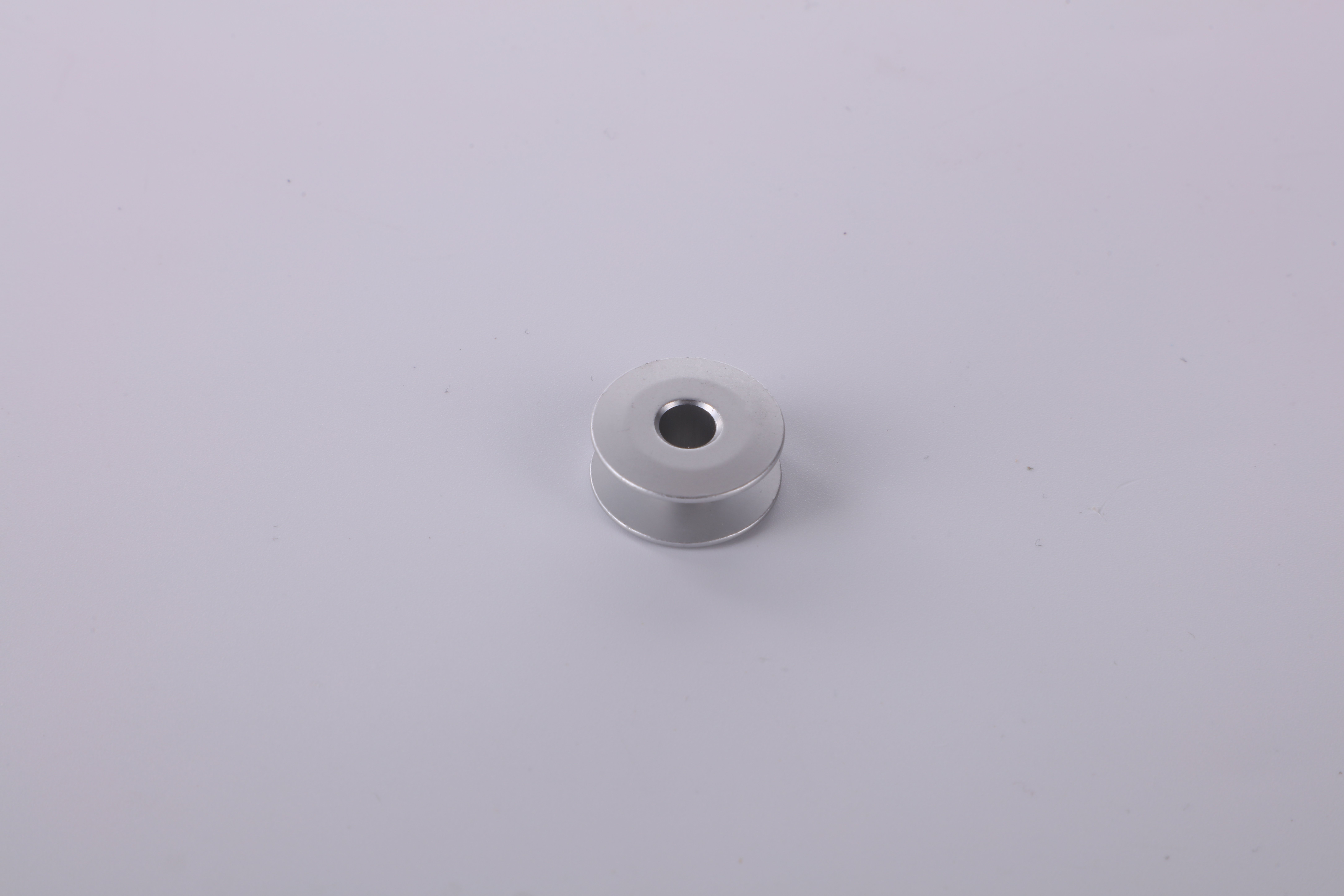
The bobbin is one of the most overlooked yet fundamentally important components in any sewing machine. Many sewers focus exclusively on top thread tension, unaware that the bobbin plays an equally critical role in determining stitch quality. When the bobbin tension falls out of balance, fabric puckering, dropped stitches, and uneven seams become inevitable problems. Understanding why bobbin tension affects stitch quality so profoundly can transform your sewing results and help you troubleshoot stitching issues at their source.
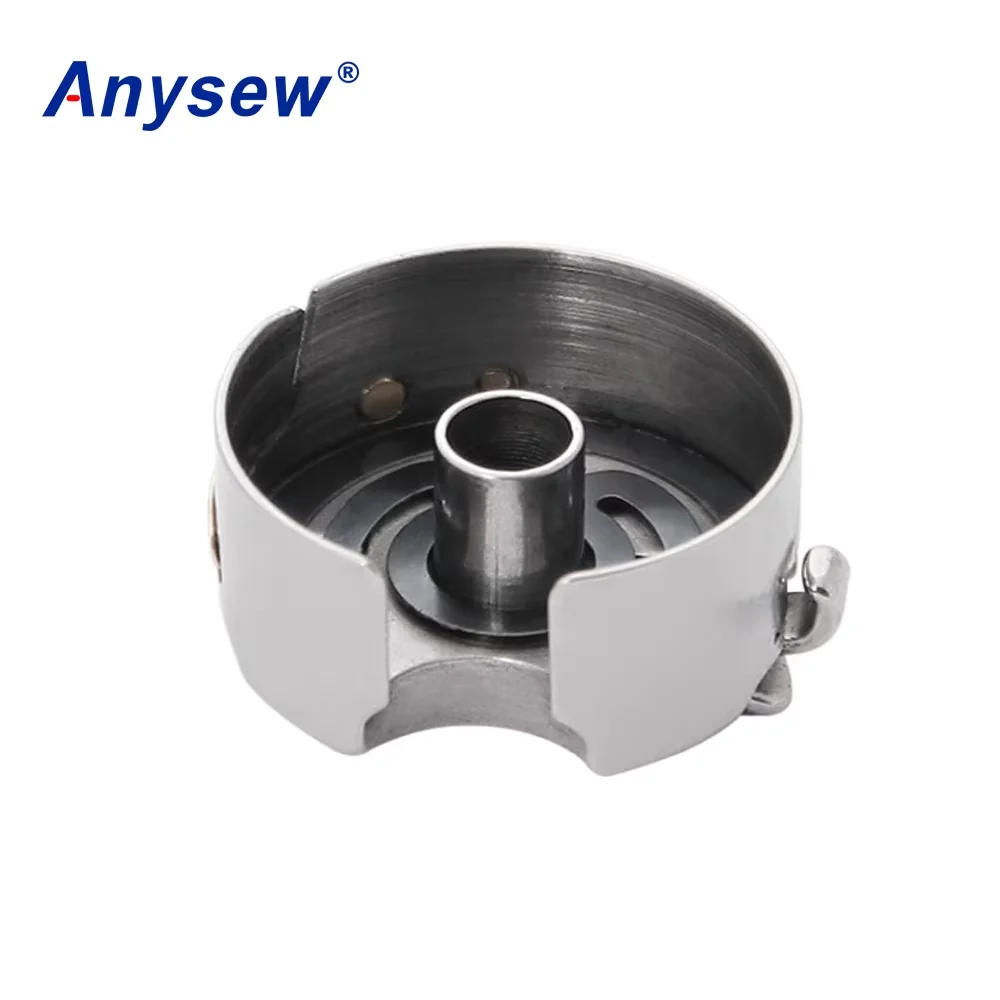
The bobbin holds the bottom thread that interlocks with the top thread to form a complete stitch. Proper bobbin tension creates the ideal resistance needed for the thread to feed smoothly through the bobbin case. When tension is incorrect, the thread either feeds too loosely or pulls too tightly, disrupting the interlocking point where top and bottom threads meet. This single factor influences everything from seam strength to the visual appearance of finished garments and projects.
How Bobbin Tension Controls Thread Interaction
The Mechanics of Thread Interlocking
Every stitch is formed by the intersection of two threads: the top thread and the bottom thread from the bobbin. The bobbin tension determines how firmly the bottom thread is held in the bobbin case as the needle passes through the fabric. If bobbin tension is too loose, excess thread flows through the bobbin case, causing the bottom thread to lie flat on the fabric surface instead of interlocking properly with the top thread. Conversely, if bobbin tension is too tight, the thread becomes difficult to unwind, creating pulling and puckering. The bobbin must maintain consistent tension throughout the entire stitch cycle for thread interaction to remain predictable and uniform.
Why Bobbin Tension Matters More Than Most Sewers Realize
Many sewers assume that adjusting only the top thread tension will fix stitch problems. However, the bobbin is responsible for half of the stitch formation process. A perfectly tensioned top thread cannot create quality stitches if the bobbin tension is unstable. Industrial and home sewers alike discover that checking and adjusting bobbin tension resolves persistent issues that seemed impossible to fix by only tweaking the top tension dial. The bobbin is the silent partner in stitch quality, working behind the scenes to ensure balanced, secure stitches.
Common Stitch Problems Caused by Bobbin Tension Issues
Recognizing Bobbin-Related Tension Problems
Visible stitch defects often point directly to bobbin tension problems. Loops of bottom thread appearing on the top surface of fabric indicate the bobbin is dispensing thread too loosely. Conversely, loops of top thread visible on the fabric underside suggest the bobbin is pulling thread too tightly. Fabric puckering, particularly in lightweight materials, frequently stems from excessive bobbin tension creating resistance that distorts the weave. Skipped stitches, where the needle fails to catch the thread properly, can also result from unstable bobbin tension preventing smooth thread flow. Thread breakage during sewing sometimes traces back to a bobbin case that grips the thread too firmly.
The Broader Impact on Fabric and Construction
Bobbin tension problems extend beyond aesthetic concerns to affect the structural integrity of seams. Unbalanced bobbin tension creates weak points in stitching that may unravel during wear or washing. Seam puckering caused by improper bobbin tension is nearly impossible to remove and ruins the finished appearance of projects. When the bobbin tension is erratic, seams become inconsistent, with some areas tight and others loose. This inconsistency weakens garments and reduces their longevity. For professional sewing operations, bobbin tension directly impacts production quality and customer satisfaction. Even home sewers notice immediate improvements in project durability when bobbin tension is properly adjusted and maintained.
Achieving and Maintaining Proper Bobbin Tension
Understanding Bobbin Tension Adjustment Techniques
Most sewing machines include a small screw on the bobbin case that controls tension. This screw, typically requiring a small screwdriver, moves the tension disc that grips the thread. Turning the screw slightly clockwise tightens bobbin tension, while counterclockwise loosens it. The adjustment is delicate; even quarter-turn movements can significantly affect thread flow. Before adjusting the bobbin screw, ensure the bobbin is properly wound and the bobbin case is correctly installed in the machine. Many tension issues actually stem from improper bobbin winding or incorrect bobbin case positioning rather than the tension screw itself. Testing bobbin tension involves running scrap fabric through the machine and examining the stitch quality on both sides.
Best Practices for Bobbin Maintenance and Monitoring
Maintaining consistent bobbin tension requires regular inspection and care. Check that the bobbin case shows no visible wear, cracks, or burrs that might catch and damage thread. A damaged bobbin case should be replaced with a compatible bobbin case to restore proper tension. Bobbins should be wound evenly and at the correct speed to ensure consistent thread distribution. An over-wound or under-wound bobbin disrupts the tension balance inside the bobbin case. After extended use, the tension screw may loosen due to machine vibration; periodic tightening helps maintain stability. Professional sewers often establish maintenance schedules that include bobbin tension checks, recognizing that this small component significantly impacts their work quality.
FAQ
What happens if bobbin tension is too loose?
Loose bobbin tension allows excessive thread to flow through the bobbin case, causing bottom thread loops to appear on the top surface of the fabric. The stitch appears unbalanced, with the bottom thread clearly visible on top where only the top thread should show. This creates weak stitches that may unravel easily and gives projects an unprofessional appearance. Fabric may also pucker because the loose thread fails to properly interlock with the top thread.
How do I know if my bobbin tension needs adjustment?
Visible signs include loops of thread on either surface of the fabric, uneven or puckered seams, skipped stitches, or thread breakage during sewing. Compare your current stitches to test samples on scrap fabric sewn when the machine was functioning properly. If seams lack the balanced appearance they previously had, bobbin tension should be checked. Professional sewers routinely test stitches on sample fabric before beginning production work to verify bobbin tension is within acceptable range.
Can wrong bobbin tension damage my sewing machine?
Excessively tight bobbin tension can damage thread and potentially stress the bobbin case mechanism over time, though modern machines have safety features to prevent severe damage. More commonly, incorrect bobbin tension causes thread breakage, which can leave fragments inside the machine requiring cleaning. Loose bobbin tension is generally less harmful to the machine but creates poor stitch quality. Regular maintenance and proper bobbin tension adjustment protect both your projects and your machine from preventable wear.