Small Embroidery Machine - Compact Stitching Solutions

All Categories

small embroidery machine

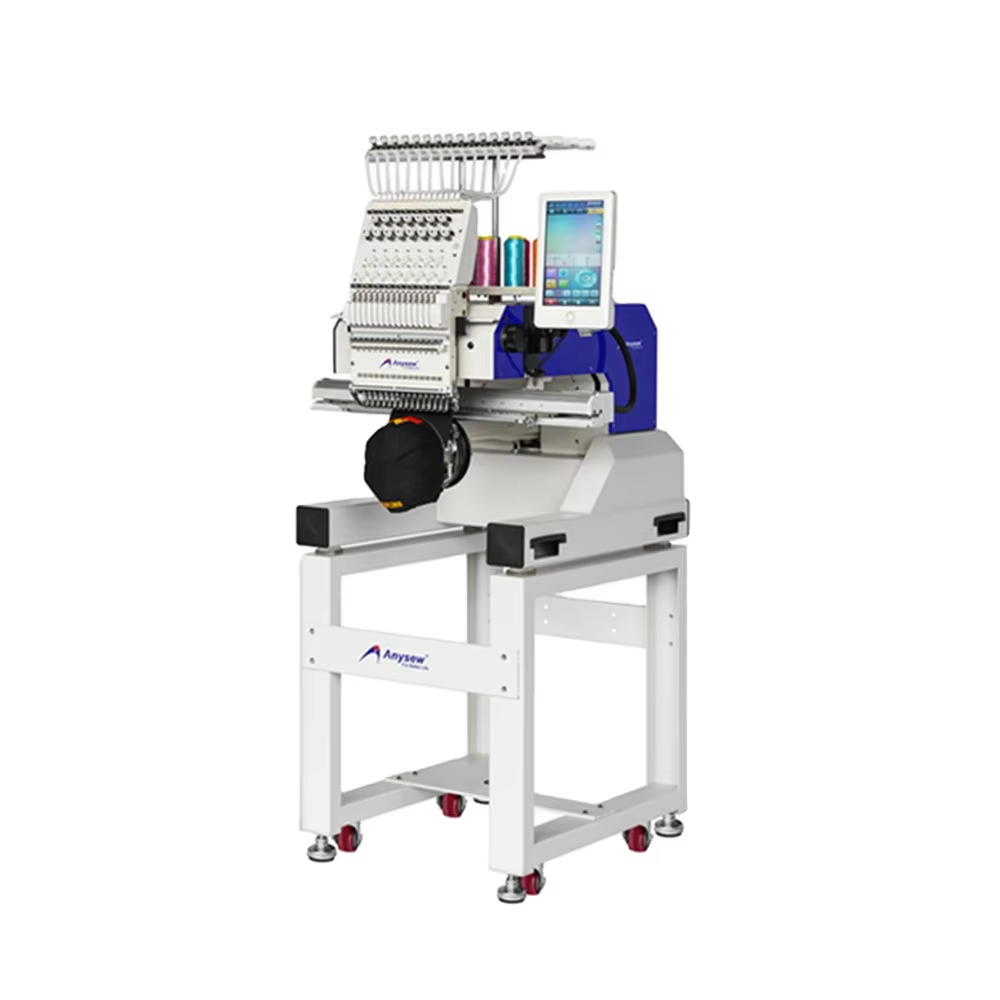
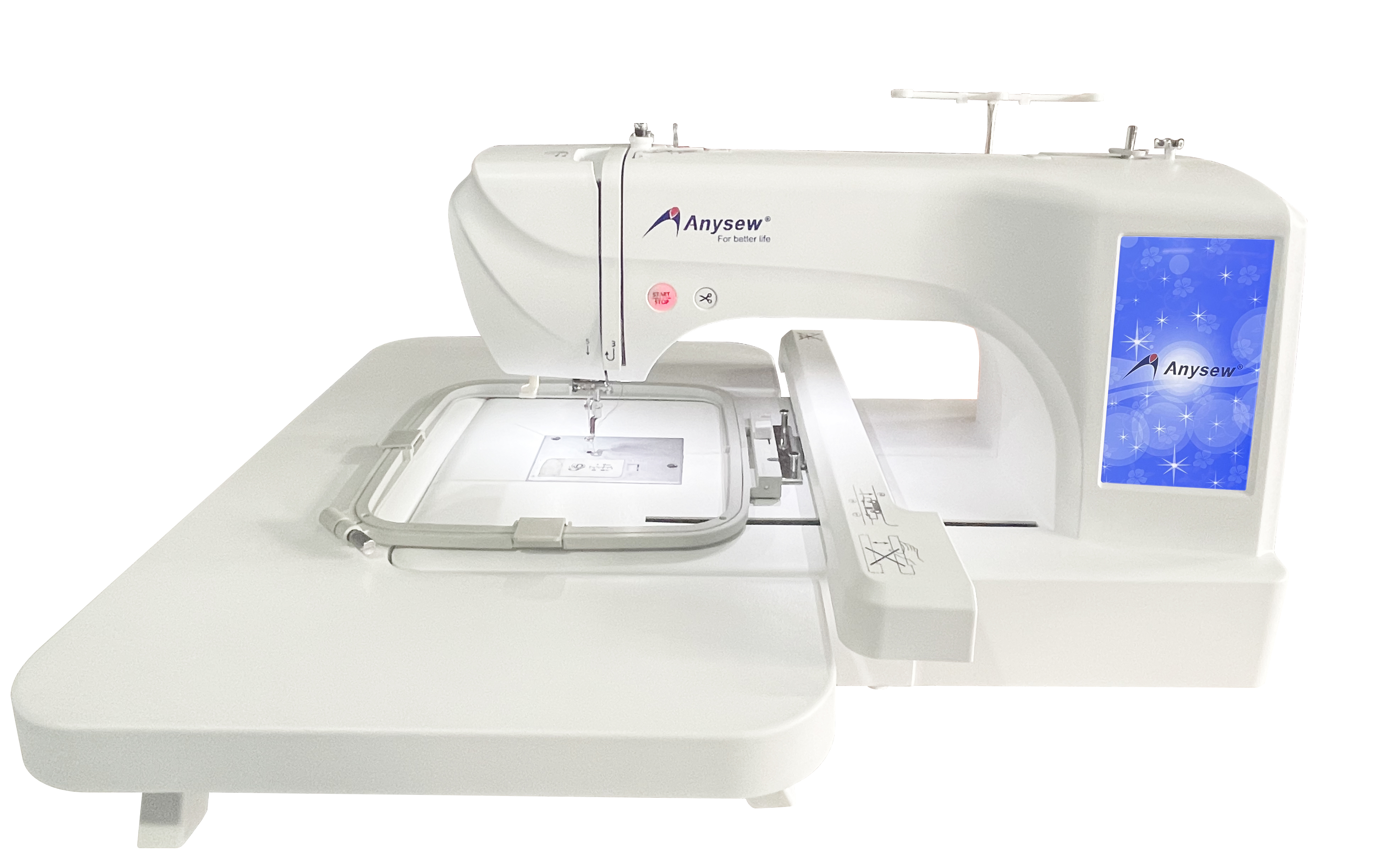
A small embroidery machine is a compact, versatile stitching device designed to automate decorative needlework on various fabrics and materials. This equipment combines precision engineering with user-friendly operation, making professional-quality embroidery accessible to hobbyists, small business owners, and crafting enthusiasts. The small embroidery machine typically features computerized controls that allow users to upload, customize, and execute intricate embroidery designs with minimal manual intervention. Most models include built-in design libraries, USB connectivity, and LCD touchscreens for intuitive pattern selection and editing. The embroidery area ranges from four to eight inches, suitable for personalizing garments, home textiles, accessories, and promotional items. Advanced models incorporate automatic thread trimming, color-change notifications, and speed adjustment capabilities to enhance workflow efficiency. The small embroidery machine operates with multiple needle positions and hooping systems that secure fabric firmly during stitching. Thread tension controls and bobbin monitoring systems ensure consistent stitch quality across different fabric types, from delicate silk to heavy denim. These machines support various file formats including PES, DST, and JEF, enabling compatibility with popular embroidery software. Whether creating monograms on towels, logos on caps, or decorative motifs on quilts, the small embroidery machine delivers commercial-grade results in a space-saving footprint. Its technological features bridge the gap between manual embroidery and industrial production, offering creative freedom without requiring extensive technical knowledge or dedicated workspace.

New Product Recommendations

The small embroidery machine offers exceptional value for individuals and businesses seeking to produce custom embroidered products without significant capital investment. Unlike industrial equipment requiring dedicated facilities, this compact solution fits comfortably on standard workbenches or craft tables, making it ideal for home-based operations, boutique shops, and mobile customization services. Users gain operational independence by eliminating outsourcing costs, reducing turnaround times from days to hours, and maintaining complete creative control over design execution. The learning curve remains manageable, with most operators achieving proficiency within days rather than months required for traditional hand embroidery techniques. Financial benefits extend beyond initial affordability, as the small embroidery machine consumes minimal electricity, requires infrequent maintenance, and uses standard thread supplies available from multiple vendors. Production capacity suits low-to-medium volume requirements perfectly, enabling businesses to test market demand, offer personalized services, and build customer relationships through quick customization. Application versatility represents another significant advantage, as these machines handle diverse projects from baby bibs and wedding gifts to team uniforms and corporate merchandise. The ability to switch between projects rapidly without setup complications allows operators to maximize productivity and respond to customer requests promptly. Decision-makers appreciate the scalability factor, starting with a single small embroidery machine and expanding as business grows without technology obsolescence concerns. Quality consistency surpasses hand embroidery, ensuring every stitch meets exact specifications and reproduces designs identically across multiple items. The small embroidery machine empowers creative entrepreneurs to monetize their artistic skills, established businesses to add profitable services, and hobbyists to elevate their crafting capabilities while enjoying the satisfaction of producing professional embroidered items independently.

Latest News

Top 10 heat press Machines for Precision and Durability

17

Sep

Top 10 heat press Machines for Precision and Durability

Top 10 Heat Press Machines for Precision and Durability Heat press Machines play a vital role in modern garment production, providing precision, durability, and consistent results for a variety of fabrics and applications. Hangzhou Anysew Garment Equ...
View More
 What Are the Benefits of High-Speed Industrial Sewing Machines

21

Oct

What Are the Benefits of High-Speed Industrial Sewing Machines

Transforming Modern Manufacturing Through Advanced Sewing Technology The evolution of manufacturing technology has revolutionized the textile and garment industry, with high-speed industrial sewing machines leading the charge. These powerful machines...
View More
Why Are Computerized Embroidery Machines Popular

04

Nov

Why Are Computerized Embroidery Machines Popular

The Digital Revolution in Modern Embroidery The landscape of textile arts and crafting has undergone a remarkable transformation with the advent of computerized embroidery machines. These innovative devices have revolutionized how we approach fabric ...
View More
What Are the Different Types of Cutting Machines

03

Dec

What Are the Different Types of Cutting Machines

Industrial manufacturing relies heavily on precision cutting operations to transform raw materials into finished products. The choice of appropriate cutting machines directly impacts production efficiency, material waste reduction, and overall produc...
View More

Get a Free Quote

Our representative will contact you soon.
Email
Name
Company Name
Message
0/1000

small embroidery machine

Precision Computerized Stitching Technology

Precision Computerized Stitching Technology

The small embroidery machine incorporates advanced computerized controls that transform digital designs into flawless stitched artwork with exceptional accuracy. This technology eliminates the inconsistencies inherent in manual embroidery by controlling needle movement, thread tension, and stitch formation through programmed algorithms. Users benefit from reproducible quality across every project, ensuring brand consistency for businesses and professional results for personal creations. The system calculates optimal stitch paths automatically, reducing thread breaks and fabric puckering that plague less sophisticated equipment. Integrated sensors monitor thread supply and fabric positioning, pausing operations when intervention is needed rather than ruining materials. This intelligent functionality protects your investment in supplies while maintaining production momentum. The computerized interface allows design scaling, rotation, and positioning adjustments without external software, providing creative flexibility directly at the machine. Multiple embroidery formats are supported, ensuring compatibility with designs purchased online, created in specialized software, or converted from existing artwork. This technological sophistication democratizes professional embroidery, allowing operators without engineering backgrounds to achieve results previously requiring years of apprenticeship and specialized training.
Space-Efficient Design for Flexible Workspaces

Space-Efficient Design for Flexible Workspaces

The compact footprint of the small embroidery machine addresses the practical reality that most users lack dedicated industrial spaces. Measuring typically between 15 to 20 inches wide, these machines integrate seamlessly into home offices, craft rooms, retail counters, and mobile service vehicles. This space efficiency does not compromise capability, as engineering innovations pack full embroidery functionality into dimensions smaller than standard sewing machines. The lightweight construction facilitates easy relocation between workstations, storage areas, or event venues for on-site customization services. Portability expands business opportunities, enabling operators to offer embroidery at craft fairs, trade shows, and pop-up retail locations without logistical complications. The small embroidery machine requires only standard electrical outlets, eliminating the infrastructure investments necessary for industrial equipment. Noise levels remain moderate, allowing operation in shared spaces without disturbing household members or neighboring businesses. Storage simplicity further enhances practicality, as most models fit in closets or under counters when not in use. This spatial versatility removes traditional barriers to embroidery business entry, allowing aspiring entrepreneurs to launch operations from existing spaces rather than leasing commercial facilities or converting entire rooms to production areas.
Intuitive Operation with Minimal Training Requirements

Intuitive Operation with Minimal Training Requirements

The user-friendly interface of the small embroidery machine ensures that beginners can achieve professional results without extensive technical training or embroidery background. Touchscreen displays present clear visual menus with straightforward navigation, guiding users through design selection, placement, and execution with step-by-step prompts. Built-in tutorials and help functions provide real-time assistance, reducing frustration during the learning process and building operator confidence quickly. The small embroidery machine automates complex technical decisions regarding stitch density, underlay requirements, and thread sequencing that traditionally required expert knowledge. Color-coded threading diagrams and automatic needle-threading mechanisms simplify setup procedures, while quick-change hooping systems allow fabric mounting in seconds rather than minutes. Onboard editing tools enable design customization through intuitive touch controls, eliminating the need for computer literacy or graphic design skills for basic modifications. Error prevention features detect common mistakes like missing thread or loose fabric before they compromise projects, saving time and materials. This accessibility empowers diverse users from retirees exploring creative hobbies to young entrepreneurs launching customization businesses, democratizing a craft historically reserved for specialists. The minimal training investment accelerates return on equipment purchase, as operators begin producing saleable items within days of acquisition rather than after months of skill development.

Get a Free Quote

Our representative will contact you soon.
Email
Name
Company Name
Message
0/1000