Typical Industrial Sewing Machine Guide

All Categories

typical industrial sewing machine

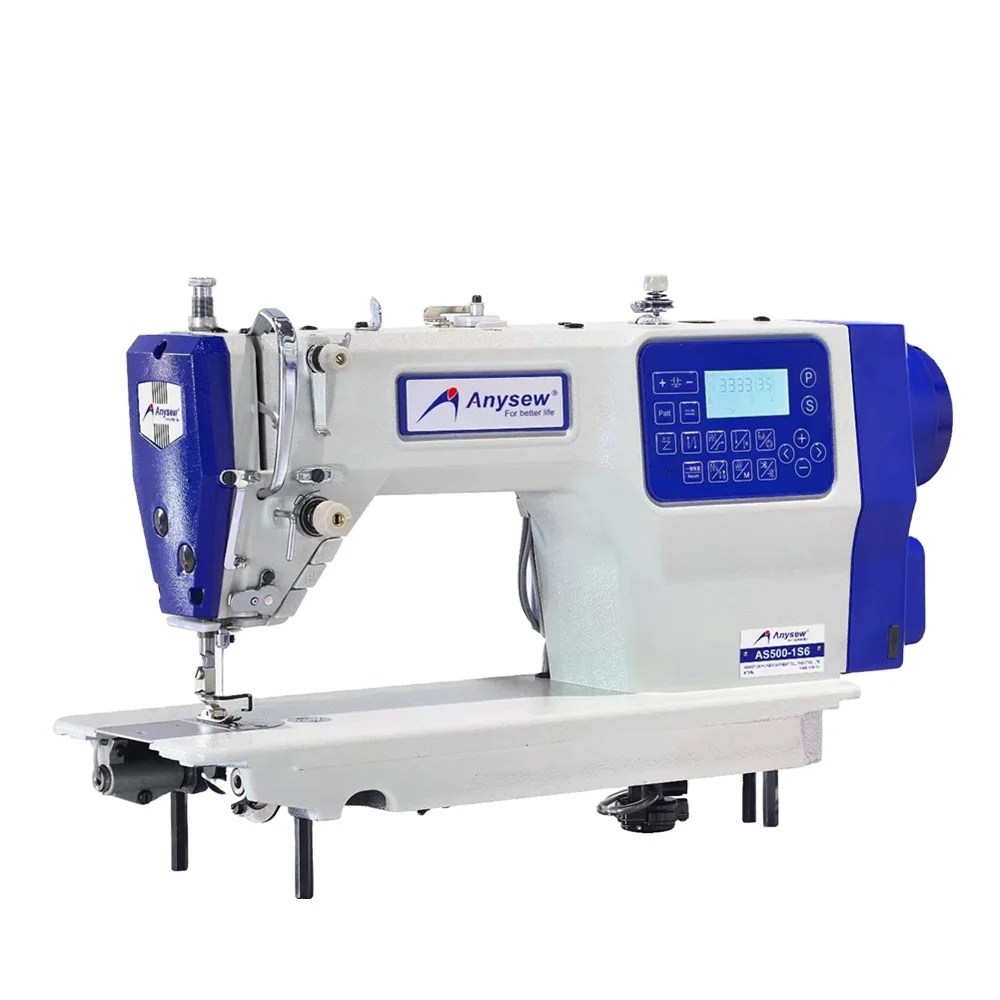
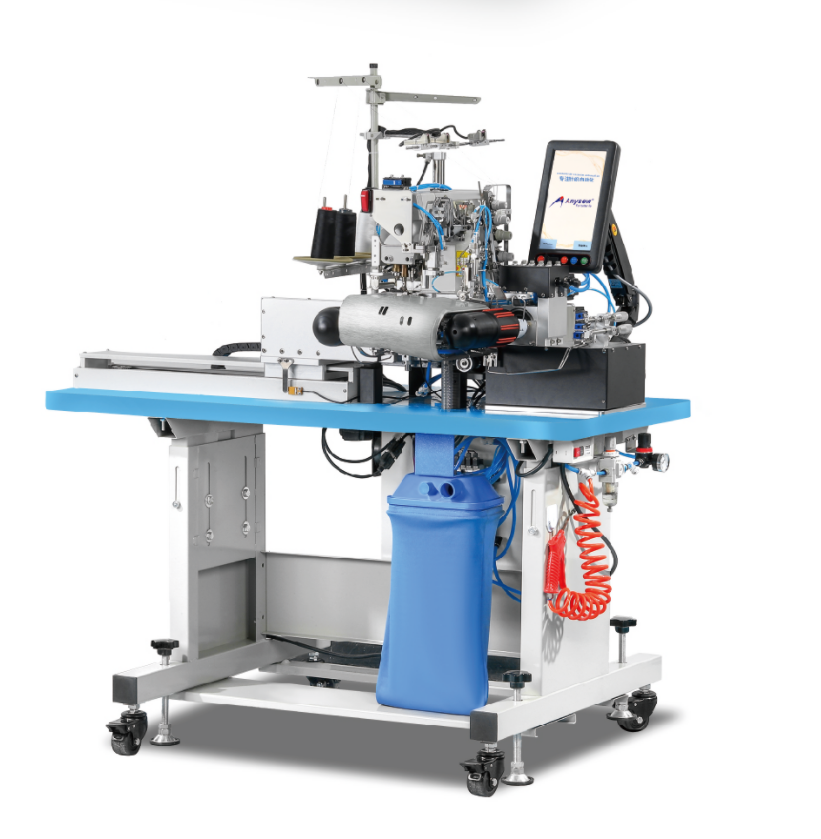
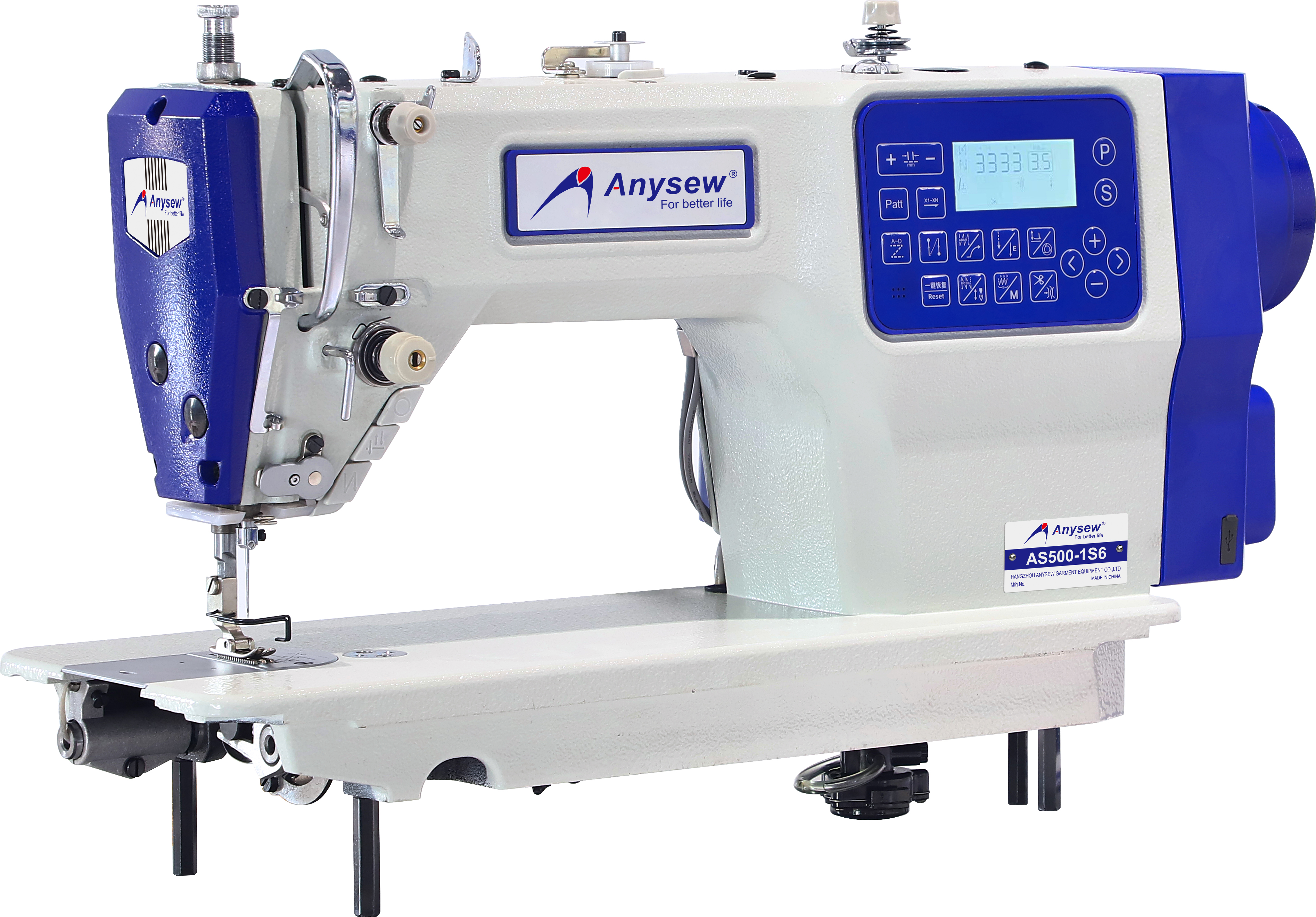
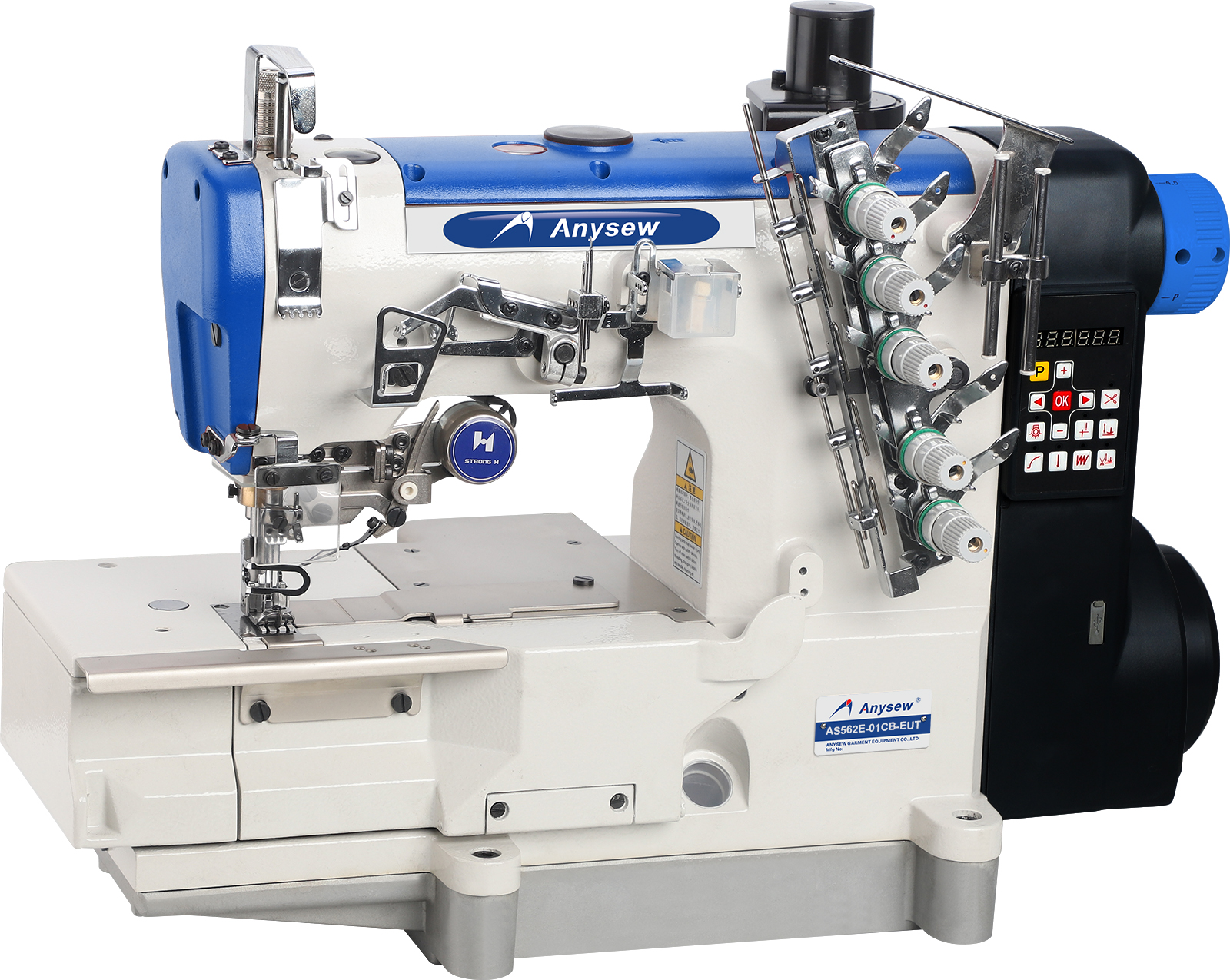
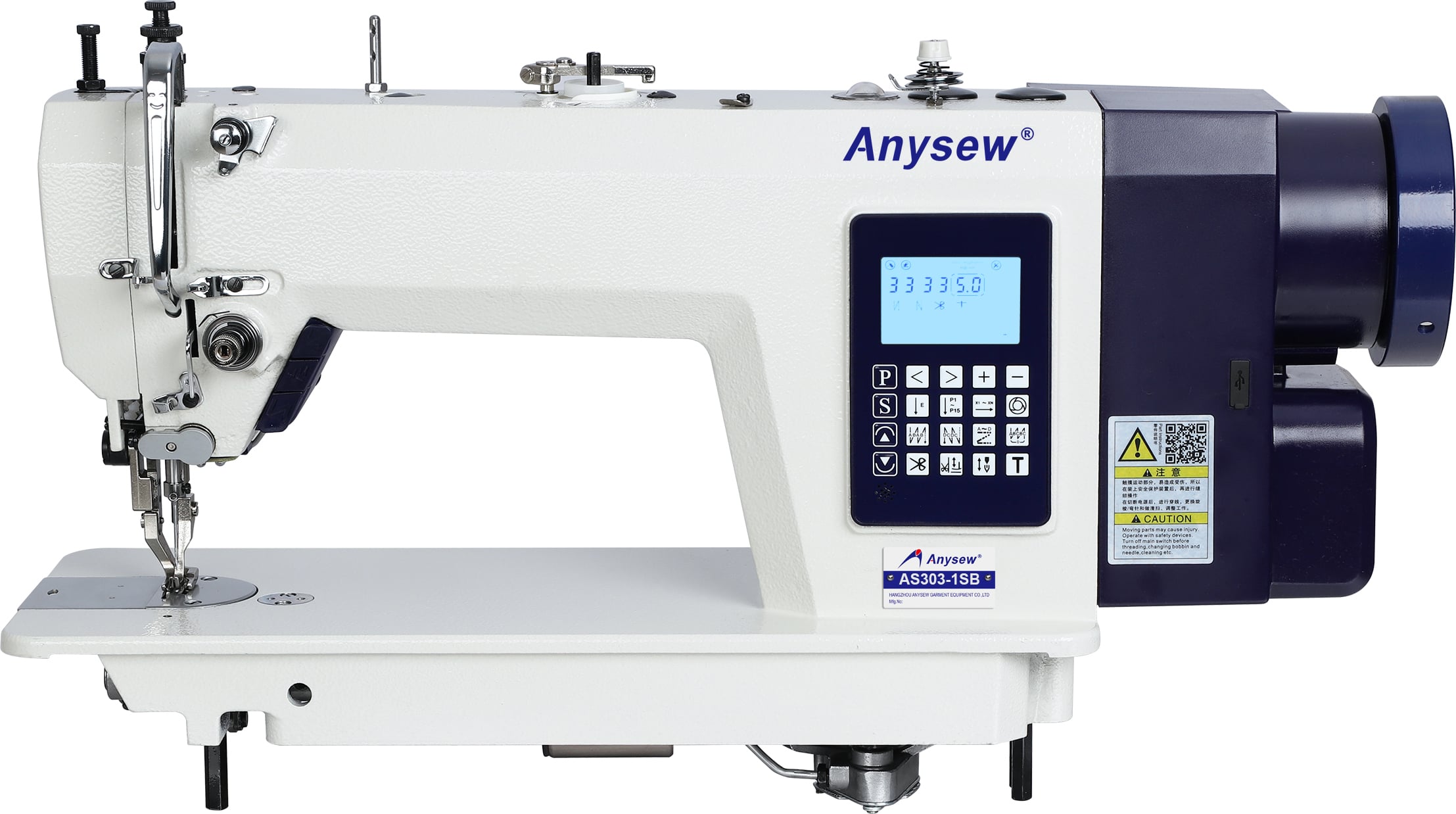
A typical industrial sewing machine is a robust, high-performance device engineered specifically for professional garment manufacturing and textile production environments. Unlike domestic models, the typical industrial sewing machine operates at significantly higher speeds, often reaching 5,000 to 7,000 stitches per minute, enabling mass production with consistent quality. These machines feature heavy-duty construction with cast iron frames and powerful motors that deliver reliable performance during extended operation periods. The typical industrial sewing machine incorporates specialized components including servo motors for precise speed control, automatic thread trimming systems, and adjustable presser foot pressure to accommodate various fabric thicknesses. Advanced models integrate computerized controls that allow operators to program stitch patterns, adjust tension automatically, and monitor production metrics in real-time. The technological features of a typical industrial sewing machine include superior stitch formation mechanisms, enhanced thread tension systems, and industrial-grade needles capable of penetrating multiple fabric layers without breaking. Applications span diverse sectors including apparel manufacturing, upholstery production, automotive interiors, leather goods fabrication, and technical textile assembly. The typical industrial sewing machine excels in creating straight seams, zigzag stitches, overlock finishes, and specialized decorative patterns depending on the model configuration. Manufacturing facilities rely on these machines to maintain production schedules, achieve uniform stitch quality across thousands of units, and reduce labor costs through automation features. The durability and precision of a typical industrial sewing machine make it an essential investment for businesses requiring consistent output and professional-grade sewing capabilities.

New Product Releases

The typical industrial sewing machine delivers substantial operational benefits that directly impact your production efficiency and product quality. Speed represents a primary advantage, as these machines complete seams up to ten times faster than household alternatives, allowing your facility to fulfill larger orders within shorter timeframes. This velocity translates into increased revenue potential and competitive market positioning. Durability ensures that your typical industrial sewing machine withstands continuous daily operation without frequent breakdowns, minimizing costly downtime and repair expenses. The robust construction handles heavy fabrics like denim, canvas, and leather effortlessly, expanding your manufacturing capabilities across product categories. Consistency stands as another critical benefit, with each stitch maintaining uniform tension and length regardless of operator experience level, resulting in professional-grade finished products that enhance your brand reputation. The typical industrial sewing machine offers remarkable versatility through interchangeable presser feet, adjustable stitch settings, and compatible attachments that enable you to switch between different sewing tasks without investing in multiple machines. Energy efficiency improvements in modern servo motor systems reduce electricity consumption compared to clutch motor predecessors, lowering your operational costs while supporting environmental sustainability goals. Maintenance requirements remain manageable, with accessible components and widely available replacement parts ensuring your typical industrial sewing machine maintains optimal performance throughout its extended lifespan. The ergonomic design considerations reduce operator fatigue during long production shifts, supporting workforce wellbeing and maintaining consistent output quality. Investment value proves exceptional, as the typical industrial sewing machine typically delivers return on investment within the first year through increased production capacity and reduced per-unit manufacturing costs. These practical advantages make the typical industrial sewing machine an intelligent choice for startups entering garment production and established manufacturers seeking to upgrade their equipment inventory.

Tips And Tricks

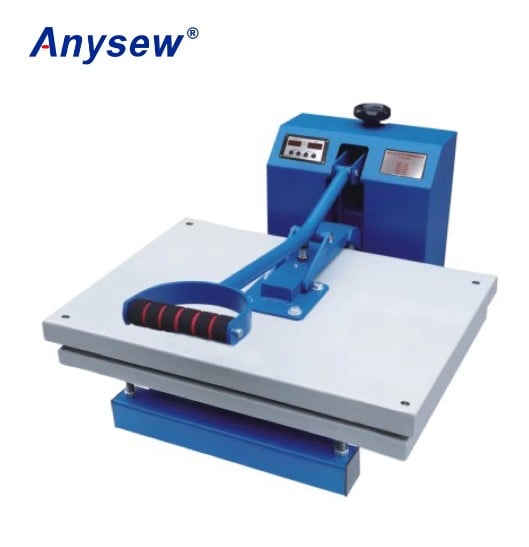
Top 10 heat press Machines for Precision and Durability

17

Sep

Top 10 heat press Machines for Precision and Durability

Top 10 Heat Press Machines for Precision and Durability Heat press Machines play a vital role in modern garment production, providing precision, durability, and consistent results for a variety of fabrics and applications. Hangzhou Anysew Garment Equ...
View More
How Does an Overlock Machine Improve Seam Quality

04

Nov

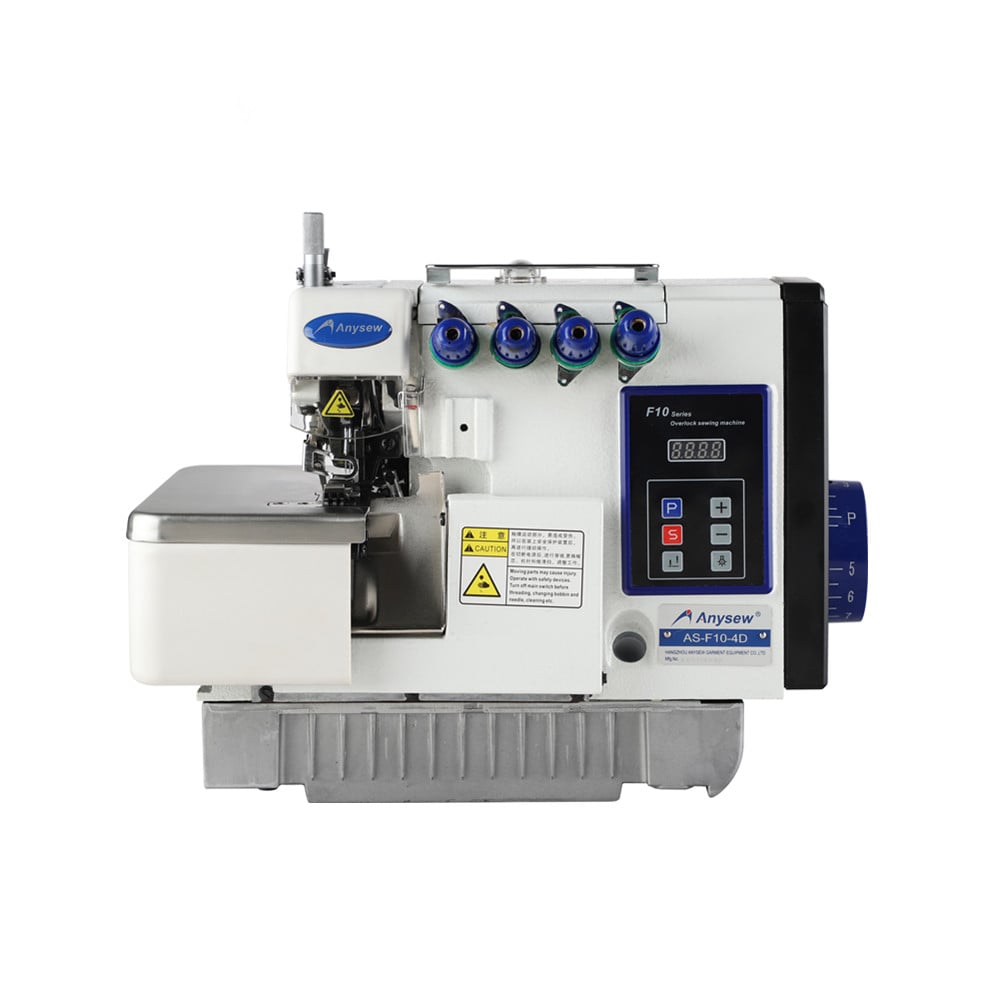
How Does an Overlock Machine Improve Seam Quality

Understanding the Revolutionary Impact of Overlock Technology in Modern Sewing In the dynamic world of textile production and garment manufacturing, the overlock machine stands as a cornerstone of quality and efficiency. This specialized sewing equip...
View More
What Are the Different Types of Cutting Machines

03

Dec

What Are the Different Types of Cutting Machines

Industrial manufacturing relies heavily on precision cutting operations to transform raw materials into finished products. The choice of appropriate cutting machines directly impacts production efficiency, material waste reduction, and overall produc...
View More
How to Train Workers to Use Industrial Sewing Machines

03

Dec

How to Train Workers to Use Industrial Sewing Machines

Training workers to effectively operate industrial sewing machines is a critical investment that directly impacts production quality, workplace safety, and operational efficiency in manufacturing environments. Unlike domestic sewing equipment, indust...
View More

Get a Free Quote

Our representative will contact you soon.
Email
Name
Company Name
Message
0/1000

typical industrial sewing machine

Exceptional Speed and Productivity Enhancement

Exceptional Speed and Productivity Enhancement

The typical industrial sewing machine revolutionizes production capabilities through its extraordinary operating speed that fundamentally transforms manufacturing throughput. Modern units consistently achieve 5,000 to 7,000 stitches per minute, with some specialized models exceeding 8,000 stitches per minute under optimal conditions. This performance level enables operators to complete garments in a fraction of the time required by domestic machines, directly multiplying daily output figures. The speed advantage becomes particularly valuable when handling large production runs where seconds saved per garment accumulate into hours of additional capacity across batches. Servo motor technology provides instant acceleration and deceleration, allowing operators to maintain control while maximizing pace. The typical industrial sewing machine maintains stitch integrity even at maximum speed settings, ensuring quality never suffers for the sake of quantity. This combination of velocity and precision empowers businesses to accept rush orders, meet tight deadlines, and scale operations without proportionally increasing labor costs. The productivity gains generated by a typical industrial sewing machine create competitive differentiation in markets where delivery speed influences customer satisfaction and repeat business opportunities.
Superior Construction for Long-Term Reliability

Superior Construction for Long-Term Reliability

Built to endure demanding production environments, the typical industrial sewing machine features construction quality that far surpasses consumer-grade alternatives. Manufacturers utilize cast iron or heavy-gauge steel for the machine body and internal frame components, creating a stable platform that absorbs vibration and maintains alignment during high-speed operation. This structural integrity prevents the gradual deterioration and misalignment issues that plague lighter machines under continuous use. The typical industrial sewing machine incorporates commercial-grade motors rated for thousands of operational hours, with proper maintenance enabling decades of service life. Critical components including the hook assembly, feed mechanism, and tension discs utilize hardened metals and precision manufacturing tolerances that resist wear even when processing abrasive materials. The robust construction allows the typical industrial sewing machine to handle heavy fabrics ranging from multiple denim layers to thick leather and canvas without strain or performance degradation. This durability translates into exceptional total cost of ownership, as businesses avoid frequent replacements and benefit from consistent performance throughout the machine's extended operational lifetime. The reliability of a typical industrial sewing machine provides production schedule predictability essential for maintaining customer commitments and managing inventory flows efficiently.
Versatile Application Across Diverse Materials

Versatile Application Across Diverse Materials

The typical industrial sewing machine demonstrates remarkable adaptability across an extensive range of fabric types, weights, and textures, making it invaluable for diversified manufacturing operations. Adjustable presser foot pressure accommodates materials from delicate silks measuring mere grams per square meter to heavyweight canvas exceeding 500 grams per square meter without requiring specialized equipment changes. The typical industrial sewing machine processes natural fibers including cotton, wool, and linen as effectively as synthetic materials like polyester, nylon, and spandex blends. This versatility extends to technical applications including waterproof fabrics with coating treatments, stretch materials requiring careful feed coordination, and layered composites combining different material properties. Interchangeable presser feet and throat plate configurations enable the typical industrial sewing machine to switch between tasks such as zipper installation, hemming, topstitching, and decorative applications within minutes. The universal needle system accepts various needle types optimized for specific materials, from fine sharps for woven fabrics to ballpoint needles for knits and cutting-point needles for leather. This application flexibility allows manufacturers to consolidate production operations around fewer machines while maintaining capability to fulfill diverse customer requirements and explore new product categories without substantial capital investment in additional specialized equipment.

Get a Free Quote

Our representative will contact you soon.
Email
Name
Company Name
Message
0/1000