factory sewing
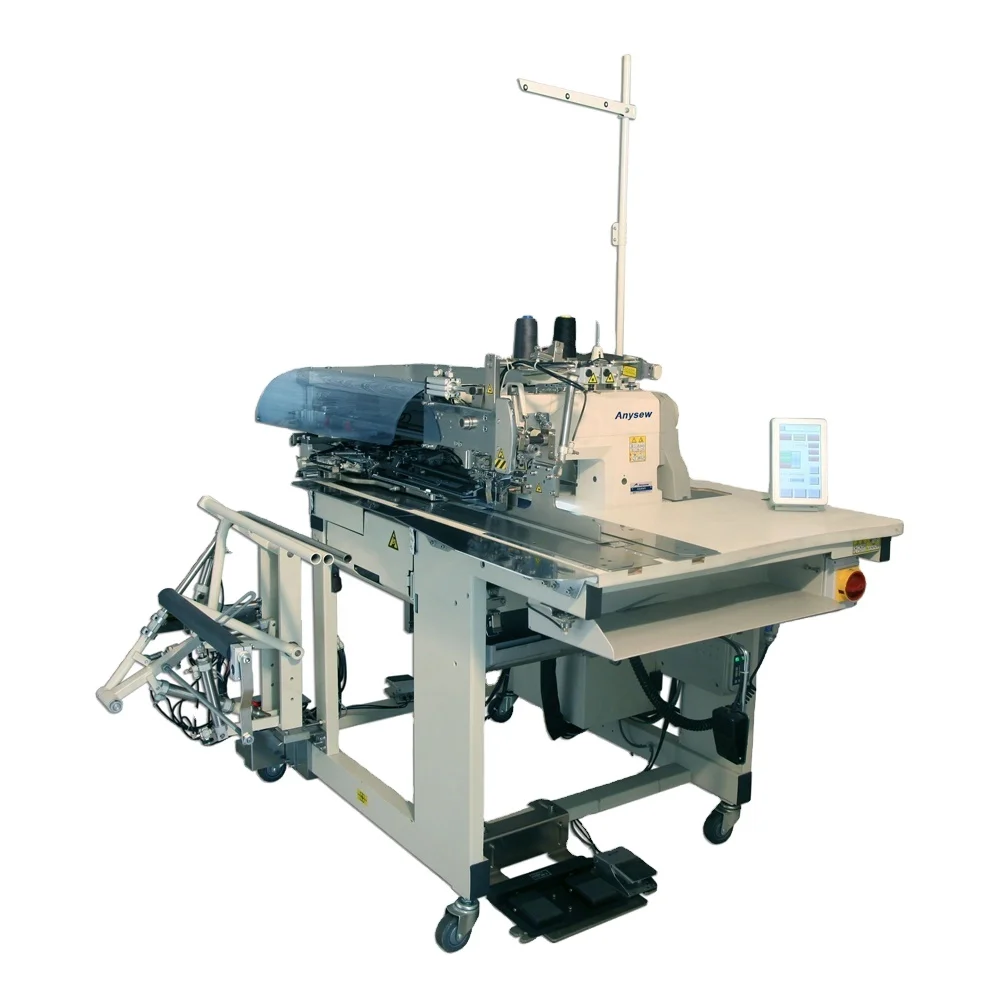
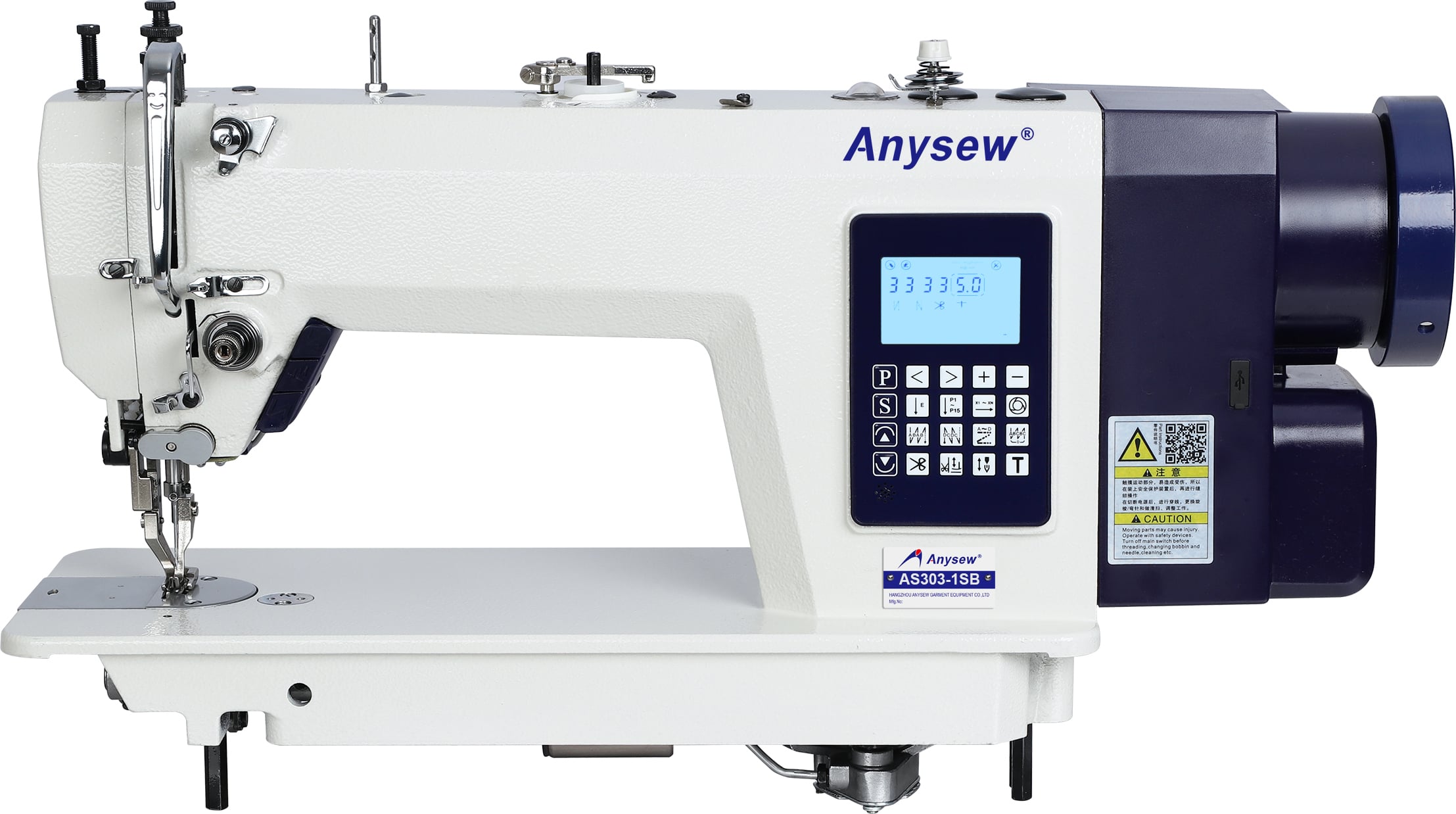
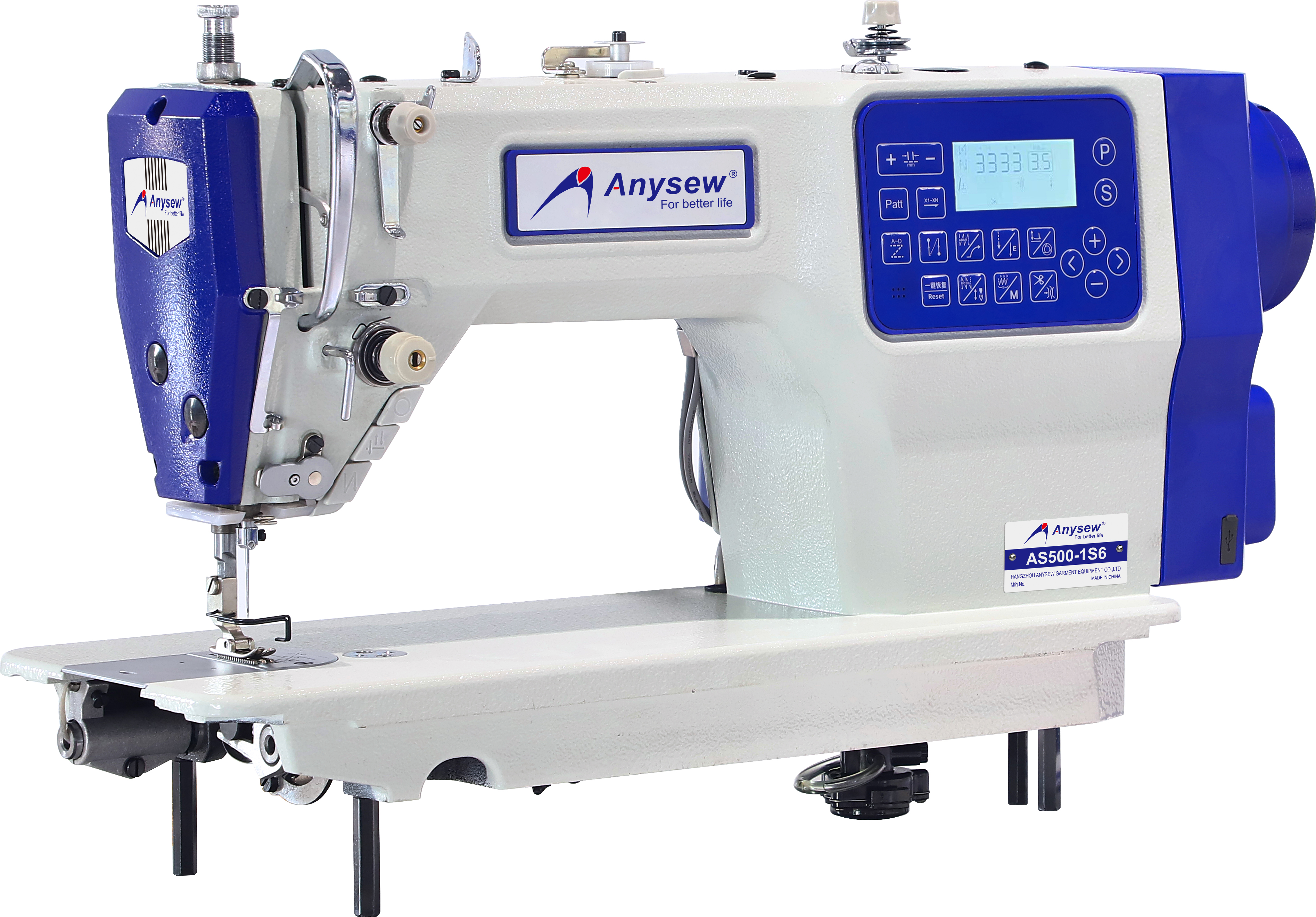
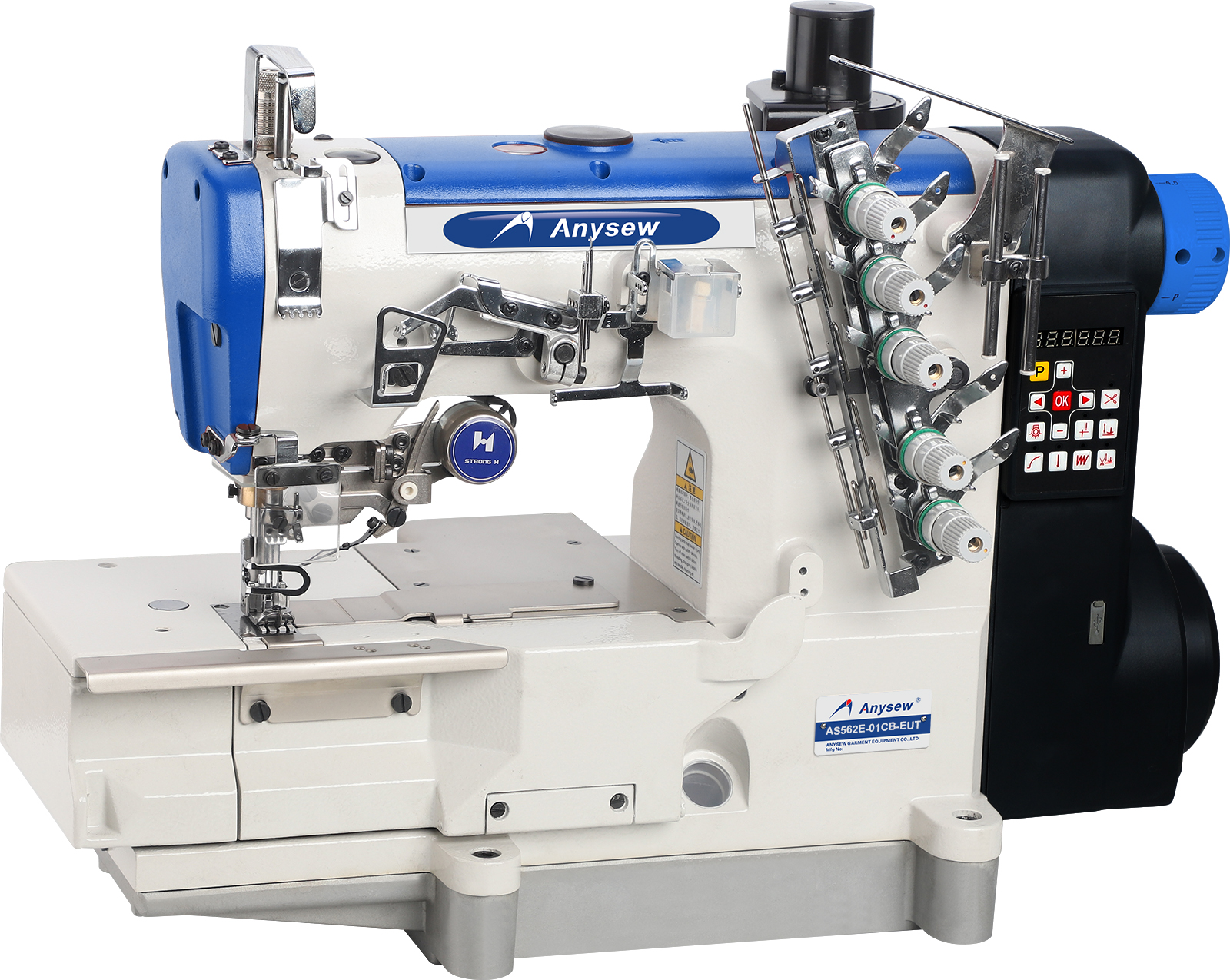
Factory sewing represents the backbone of modern garment and textile manufacturing, encompassing industrial-scale production processes that transform raw materials into finished products with precision and efficiency. This comprehensive manufacturing approach utilizes advanced machinery, skilled operators, and streamlined workflows to produce clothing, home textiles, automotive upholstery, and countless other sewn goods at commercial volumes. Factory sewing operations integrate cutting-edge technology with proven techniques to deliver consistent quality across thousands of units. The main functions include pattern cutting, fabric preparation, stitching, assembly, finishing, and quality control. Technological features distinguish factory sewing from traditional methods through computerized machines, automated cutting systems, programmable stitch patterns, and real-time monitoring capabilities. Modern factory sewing facilities employ specialized equipment such as lockstitch machines, overlock sergers, coverstitch units, and buttonhole machines, each designed for specific applications. The applications span multiple industries including fashion apparel, sportswear, medical textiles, protective equipment, bags and accessories, furniture upholstery, and technical fabrics. Factory sewing enables mass production while maintaining strict quality standards, meeting demanding delivery schedules, and accommodating complex design specifications. This industrial approach supports both domestic and international supply chains, providing the production capacity necessary to serve retailers, brands, and distributors worldwide. The integration of lean manufacturing principles with factory sewing operations optimizes resource utilization, reduces waste, and improves overall productivity throughout the production cycle.

 EN