Industrial Stitching Machine Price Guide & Value

All Categories

industrial stitching machine price

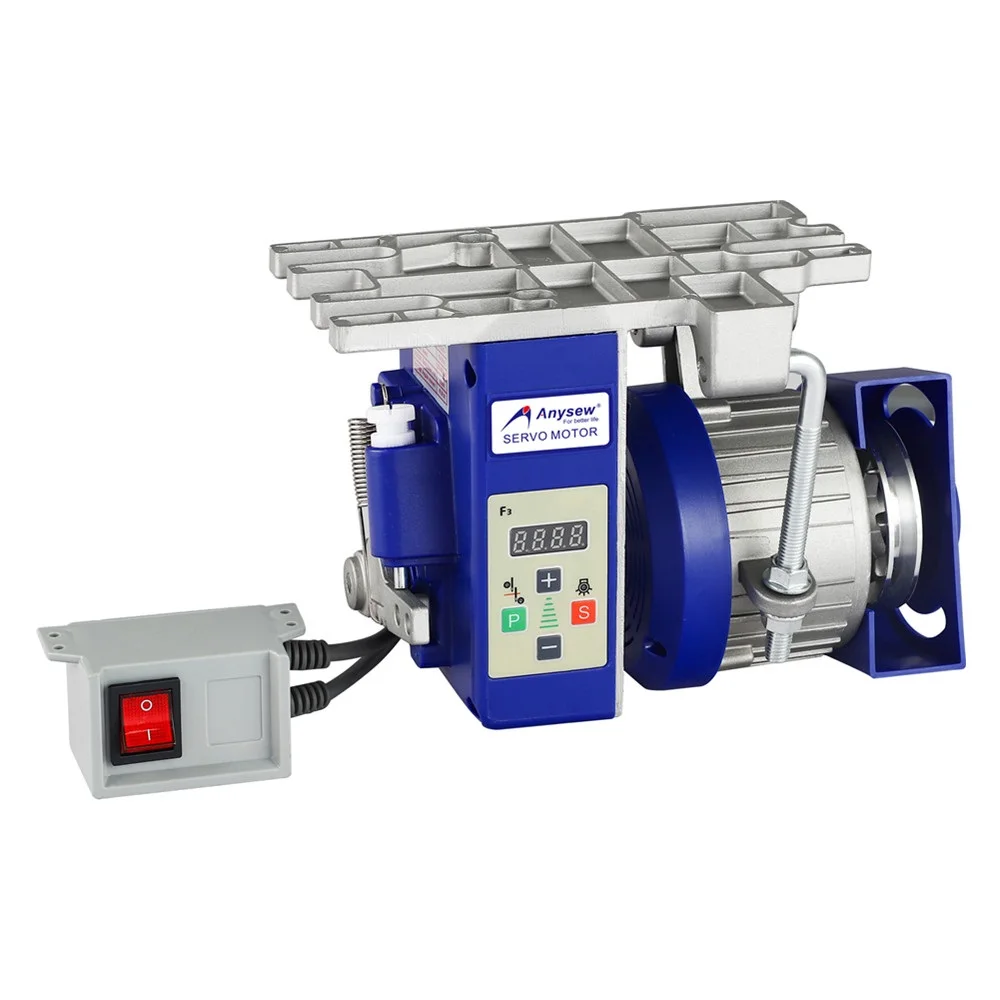
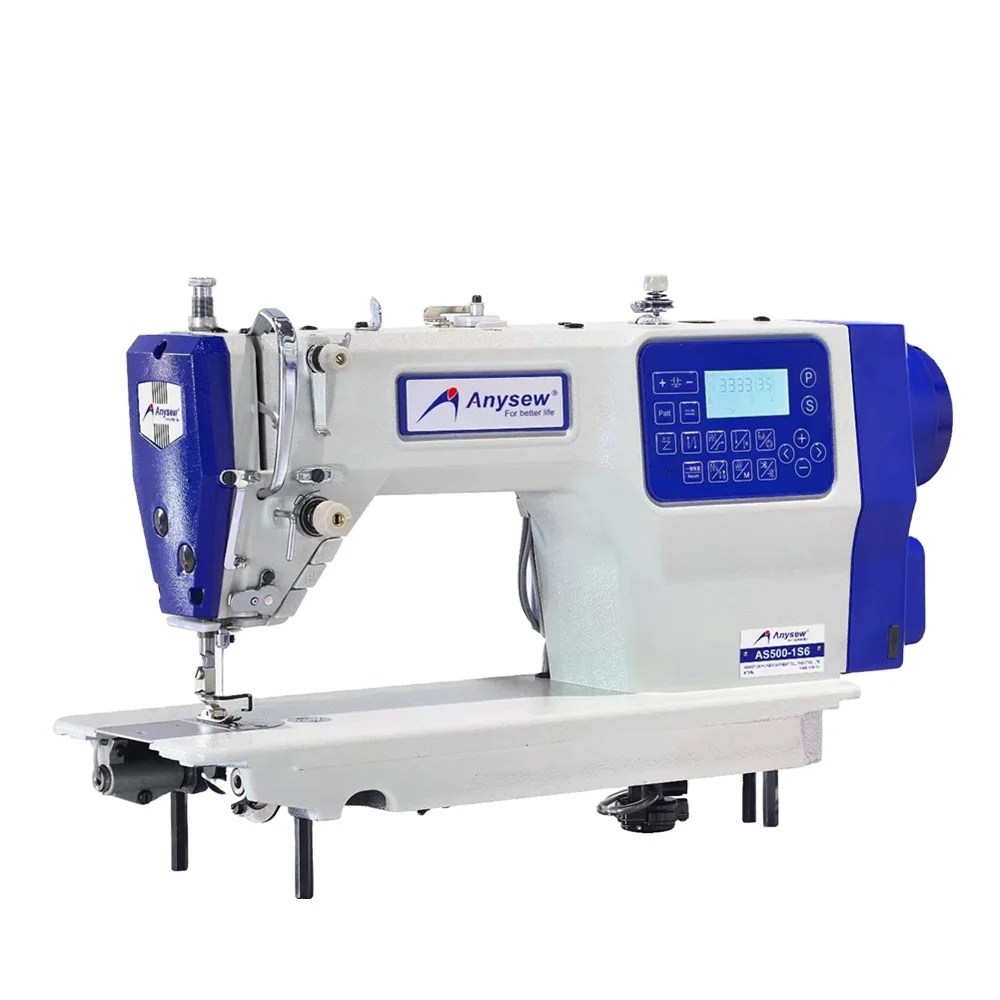
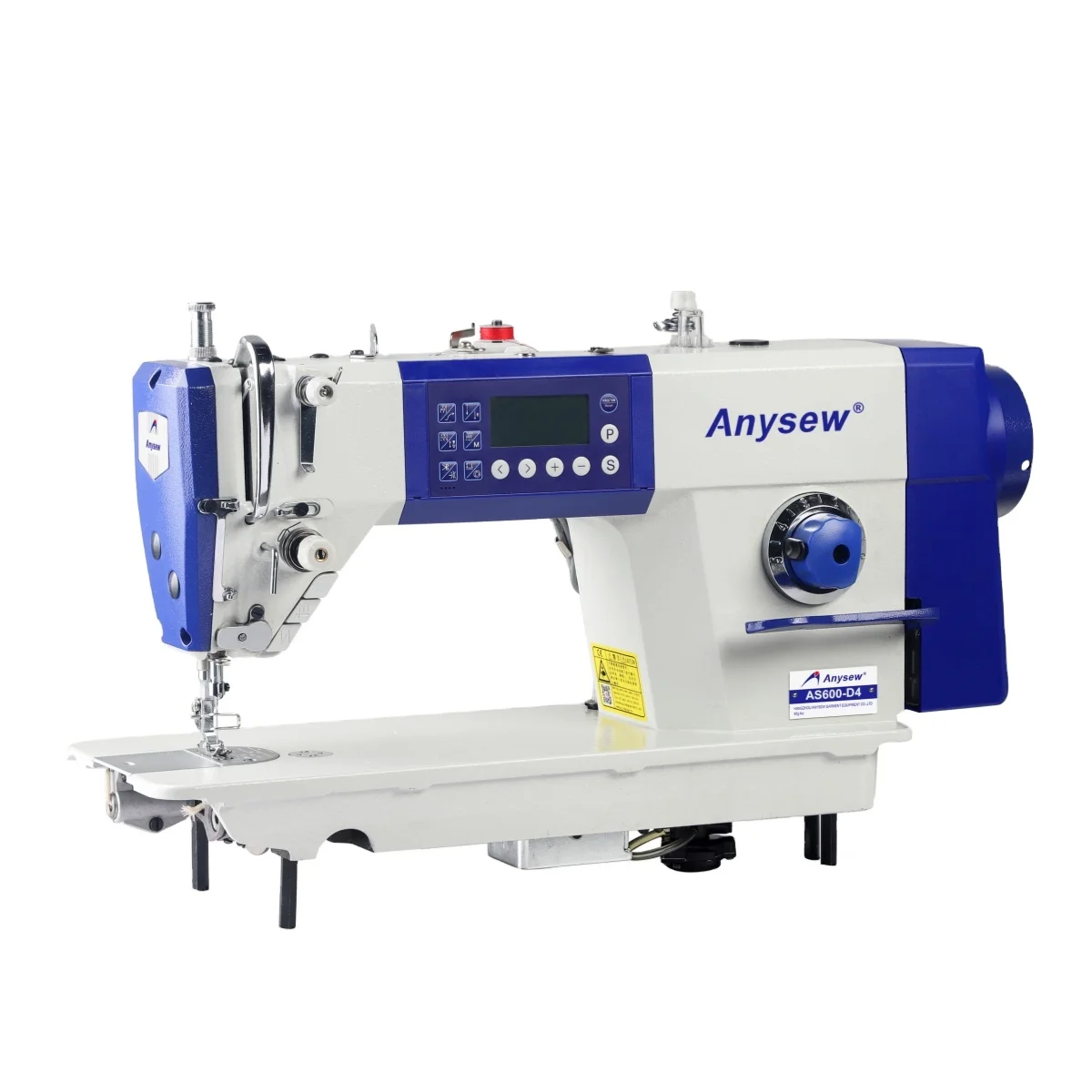
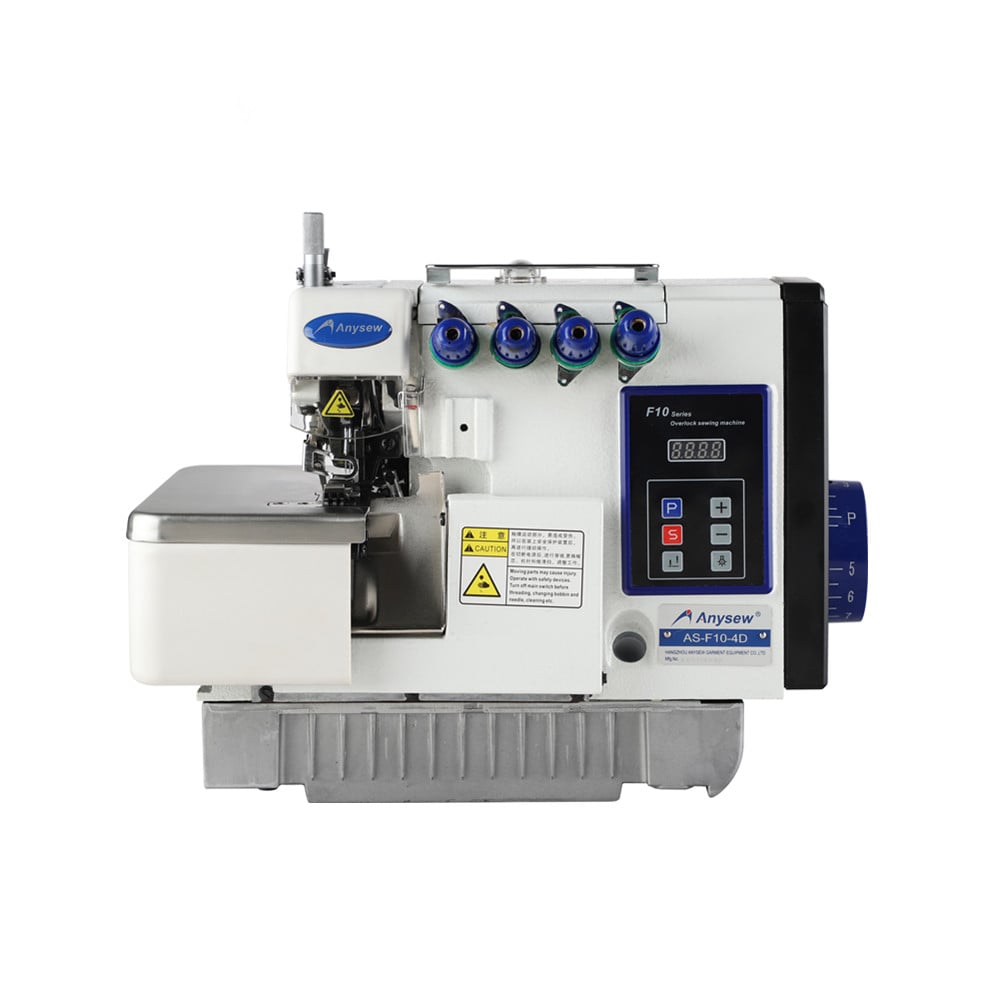
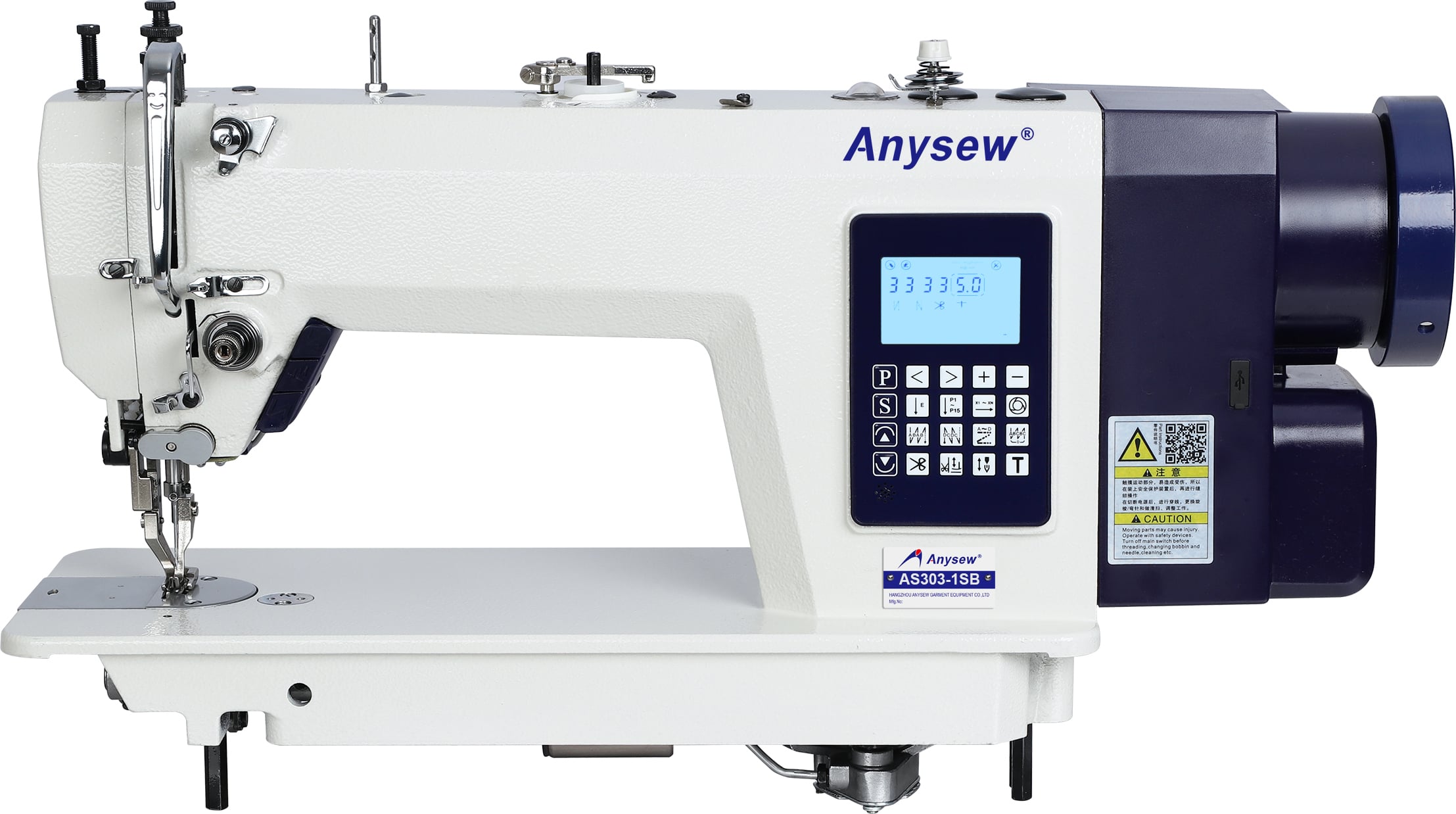
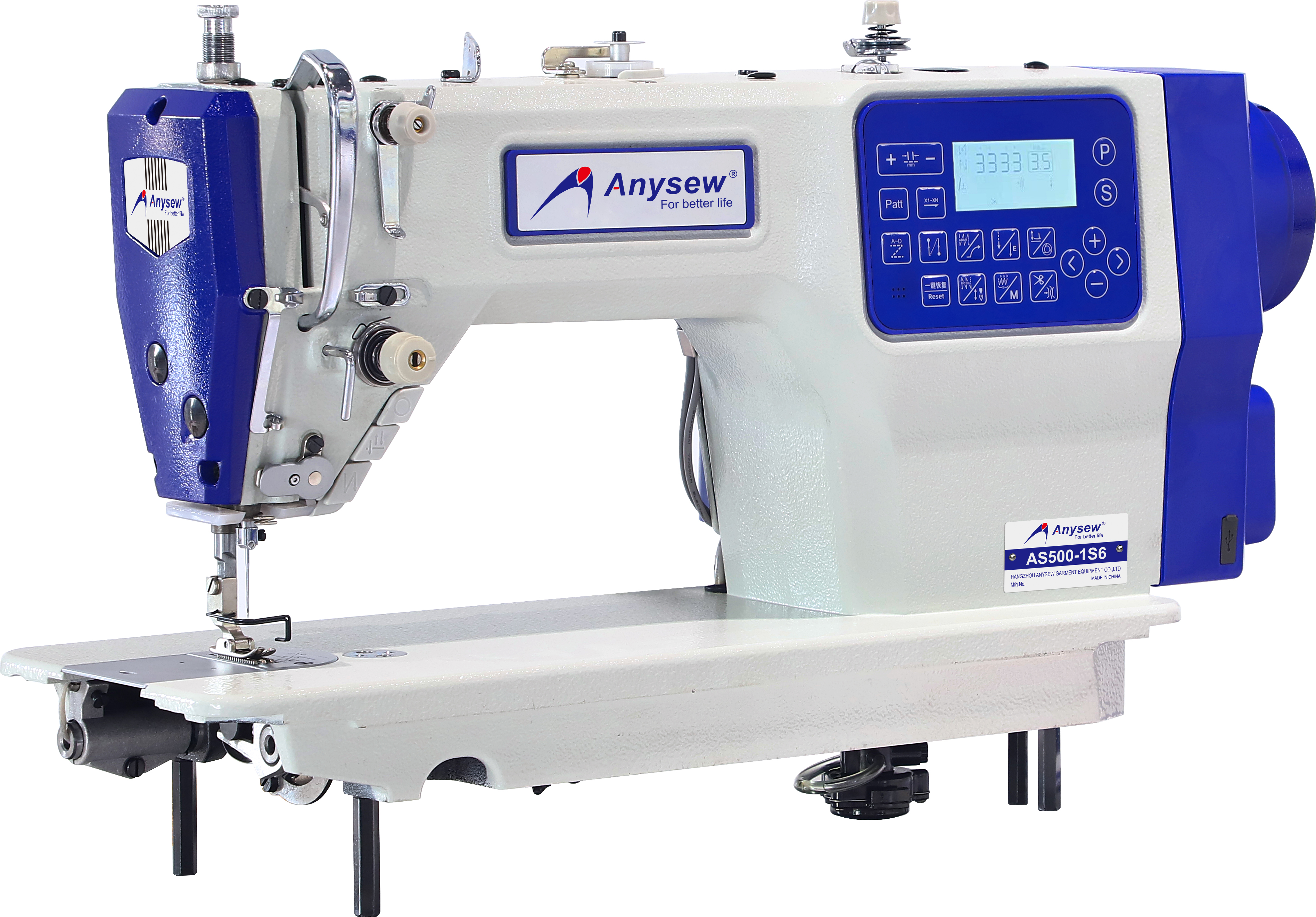
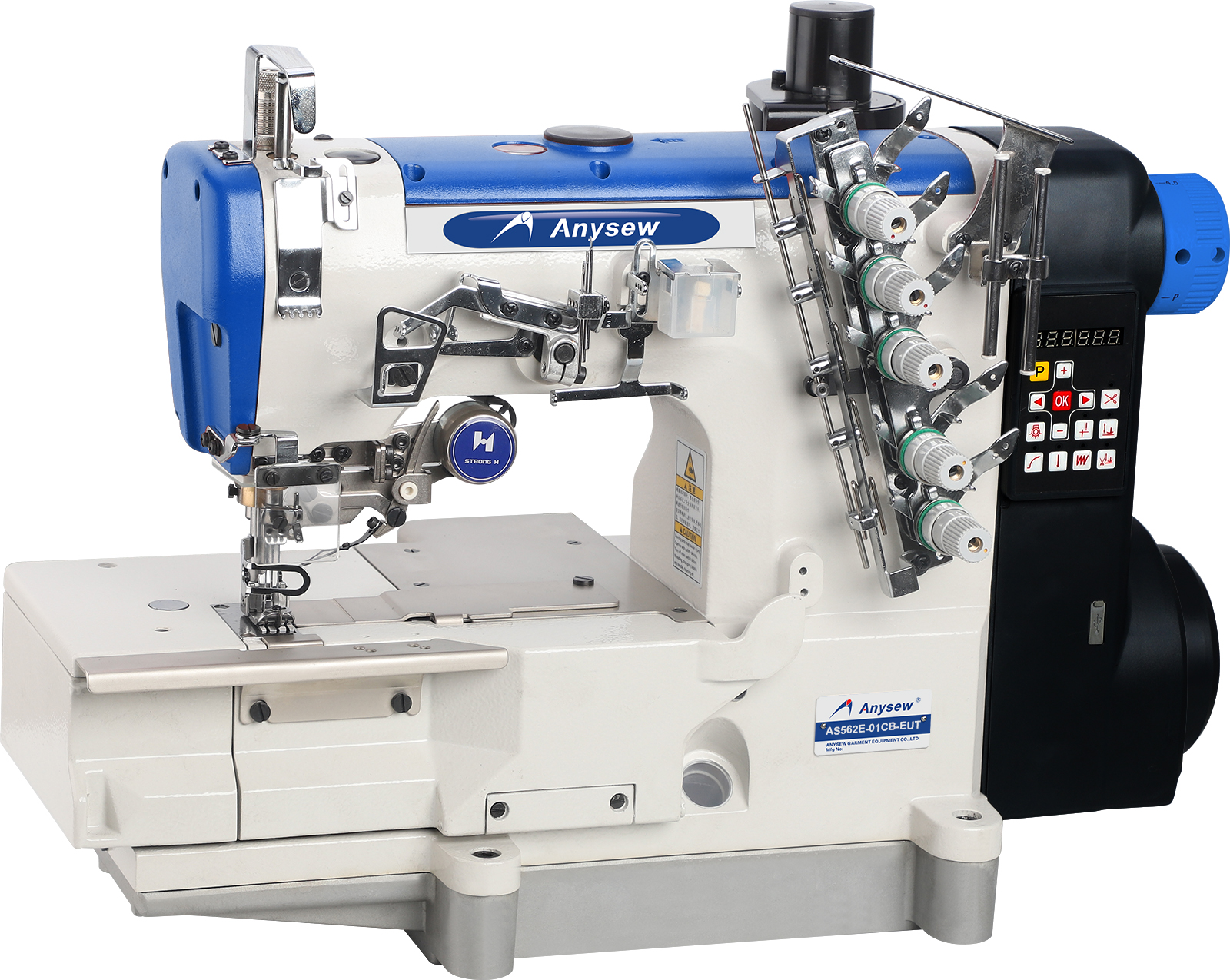
Understanding the industrial stitching machine price is essential for businesses looking to invest in reliable garment manufacturing equipment. Industrial stitching machines are high-performance devices designed to handle heavy-duty sewing tasks across various production environments. These machines deliver consistent, professional-quality stitching at speeds far exceeding domestic models, making them indispensable for factories, workshops, and commercial operations. The industrial stitching machine price varies significantly based on several factors including machine type, automation level, brand reputation, and technological capabilities. Basic lockstitch models typically start at more accessible price points, while advanced computerized systems with programmable features command premium pricing. Key functions include straight stitching, zigzag patterns, overlock capabilities, and specialized decorative stitching depending on the model. Technological features often encompass automatic thread trimming, programmable stitch patterns, digital tension control, servo motor systems for energy efficiency, and touch-screen interfaces for intuitive operation. Applications span across apparel manufacturing, upholstery production, leather goods fabrication, automotive interior assembly, and technical textile processing. When evaluating industrial stitching machine price options, businesses should consider production volume requirements, material compatibility, maintenance costs, and expected return on investment. Higher-priced models generally offer superior durability, faster operating speeds, enhanced precision, and lower long-term maintenance expenses. The right machine selection balances upfront investment against operational efficiency, ensuring optimal value for your specific manufacturing needs and production goals.

Popular Products

Choosing the right industrial stitching machine price point offers substantial practical benefits that directly impact your bottom line. First, investing in quality equipment reduces operational downtime significantly, as professional-grade machines are engineered for continuous operation without frequent breakdowns. This reliability translates into consistent production schedules and predictable delivery timelines, strengthening your reputation with clients. Machines at competitive industrial stitching machine price levels provide exceptional stitch quality that minimizes defect rates and material waste, directly improving profit margins on every production run. The speed advantage is transformative, with industrial models completing seams ten to fifteen times faster than domestic alternatives, enabling you to fulfill larger orders and expand your customer base without proportionally increasing labor costs. Energy-efficient servo motors found in modern machines lower electricity consumption by up to sixty percent compared to traditional clutch motors, creating ongoing savings that offset initial investment. Operator comfort features such as reduced vibration, quieter operation, and ergonomic design decrease worker fatigue and improve productivity throughout extended shifts. Versatility across different fabric weights and materials means one machine can handle multiple product types, eliminating the need for separate specialized equipment and optimizing workspace utilization. When comparing industrial stitching machine price options, consider that mid-range models often provide the best value combination of durability, performance, and features for small to medium operations. Financing options and warranty packages further enhance affordability, making professional equipment accessible even for businesses with limited capital. The depreciation benefits and potential tax advantages of equipment investment provide additional financial incentives. Ultimately, the right industrial stitching machine price selection represents not just a purchase but a strategic investment that enhances production capacity, product quality, and competitive positioning in your market segment.

Tips And Tricks

What Are the Advantages of Automatic Bag Closer Machines

21

Oct

What Are the Advantages of Automatic Bag Closer Machines

Revolutionizing Packaging Efficiency with Modern Sealing Technology In today's fast-paced industrial environment, automatic bag closer machines have become indispensable tools for businesses seeking to streamline their packaging operations. These sop...
View More
How Does an Overlock Machine Improve Seam Quality

04

Nov

How Does an Overlock Machine Improve Seam Quality

Understanding the Revolutionary Impact of Overlock Technology in Modern Sewing In the dynamic world of textile production and garment manufacturing, the overlock machine stands as a cornerstone of quality and efficiency. This specialized sewing equip...
View More
What Safety Tips Apply to Household Machine Usage

03

Dec

What Safety Tips Apply to Household Machine Usage

Operating machinery in residential environments requires careful attention to safety protocols and proper handling techniques. Household machine usage has increased significantly as more homeowners invest in specialized equipment for crafting, woodwo...
View More
What Safety Measures Are Needed for Industrial Sewing Machines

03

Dec

What Safety Measures Are Needed for Industrial Sewing Machines

Industrial sewing machines are powerful manufacturing tools that require comprehensive safety protocols to protect operators and maintain efficient production environments. These heavy-duty machines operate at high speeds with sharp needles, powerful...
View More

Get a Free Quote

Our representative will contact you soon.
Email
Name
Company Name
Message
0/1000

industrial stitching machine price

Cost-Effective Production Efficiency

Cost-Effective Production Efficiency

The industrial stitching machine price you select directly influences your production efficiency and profitability over time. Machines positioned at optimal price points deliver exceptional throughput capabilities, processing hundreds of garments daily with minimal supervision. This efficiency stems from robust construction using commercial-grade components that withstand millions of stitch cycles without deterioration. Advanced feed mechanisms ensure consistent fabric handling across varying material thicknesses, eliminating the need for manual adjustments that slow production. Automatic features like thread trimming and presser foot lifting reduce operator intervention, allowing seamless transitions between pieces and maximizing productive time. The speed consistency at various settings enables precise production planning and accurate deadline commitments. Energy-saving technologies embedded in competitively priced models reduce operating costs substantially, with some systems consuming less than half the electricity of older equipment. Maintenance requirements remain minimal due to self-lubricating mechanisms and durable bearing systems, further controlling long-term ownership expenses. When evaluating industrial stitching machine price ranges, consider that machines offering these efficiency features provide faster return on investment through increased output capacity and reduced per-unit production costs, making them financially strategic choices for growing businesses.
Superior Stitch Quality and Consistency

Superior Stitch Quality and Consistency

Premium stitch quality justifies the industrial stitching machine price investment by directly impacting product reputation and customer satisfaction. Professional machines employ precision-engineered needle bars and hook assemblies that create perfectly balanced stitches with uniform tension across entire seam lengths. This consistency eliminates common defects like puckering, skipped stitches, or irregular patterns that plague inferior equipment and result in costly rework or returns. Advanced tension systems automatically adjust to different thread types and fabric densities, maintaining perfect stitch formation without constant manual intervention. The mechanical stability of industrial frames prevents vibration-induced irregularities even at maximum operating speeds, ensuring every garment meets quality standards regardless of production pace. Digital stitch length controls offer precise adjustments in minute increments, enabling exact replication of specifications across production runs. Some machines within competitive industrial stitching machine price brackets include stitch counters and pattern memory functions that guarantee perfect repetition for decorative work or technical applications. The superior stitch penetration capability handles heavy materials like denim, canvas, and leather without compromise, expanding your production possibilities. Thread breakage rates remain minimal due to optimized thread paths and reduced friction points, maintaining workflow continuity. This reliability means fewer quality control rejections, reduced material waste, and enhanced brand reputation, ultimately justifying the initial equipment investment through sustained market competitiveness.
Versatile Application Range

Versatile Application Range

The adaptability offered at various industrial stitching machine price levels enables businesses to diversify their product offerings without multiple equipment purchases. Quality machines accommodate fabric weights from delicate silks to heavy upholstery materials through adjustable presser foot pressure and feed dog configurations. Interchangeable presser feet and needle plates allow quick transitions between standard seaming, edge finishing, zipper installation, and buttonhole creation, maximizing equipment utilization across different order types. Some competitively priced models include programmable pattern capabilities that execute complex decorative stitching, monogramming, or technical seaming sequences with push-button simplicity. This versatility proves particularly valuable for contract manufacturers serving diverse client needs or fashion producers creating varied product lines. The throat space and clearance dimensions in industrial models accommodate bulky items like jackets, bags, and cushions that cannot fit under domestic machine heads. Compatibility with specialized attachments such as binding folders, hemming guides, and tape applicators further extends functional capabilities without requiring separate dedicated machines. When assessing industrial stitching machine price options, this multi-application capability represents significant value by consolidating multiple functions into single equipment investments. The ability to pivot quickly between different production requirements enhances business agility and responsiveness to market opportunities, providing competitive advantages that extend far beyond the initial purchase price and contribute to long-term business sustainability and growth potential.

Get a Free Quote

Our representative will contact you soon.
Email
Name
Company Name
Message
0/1000