
 EN
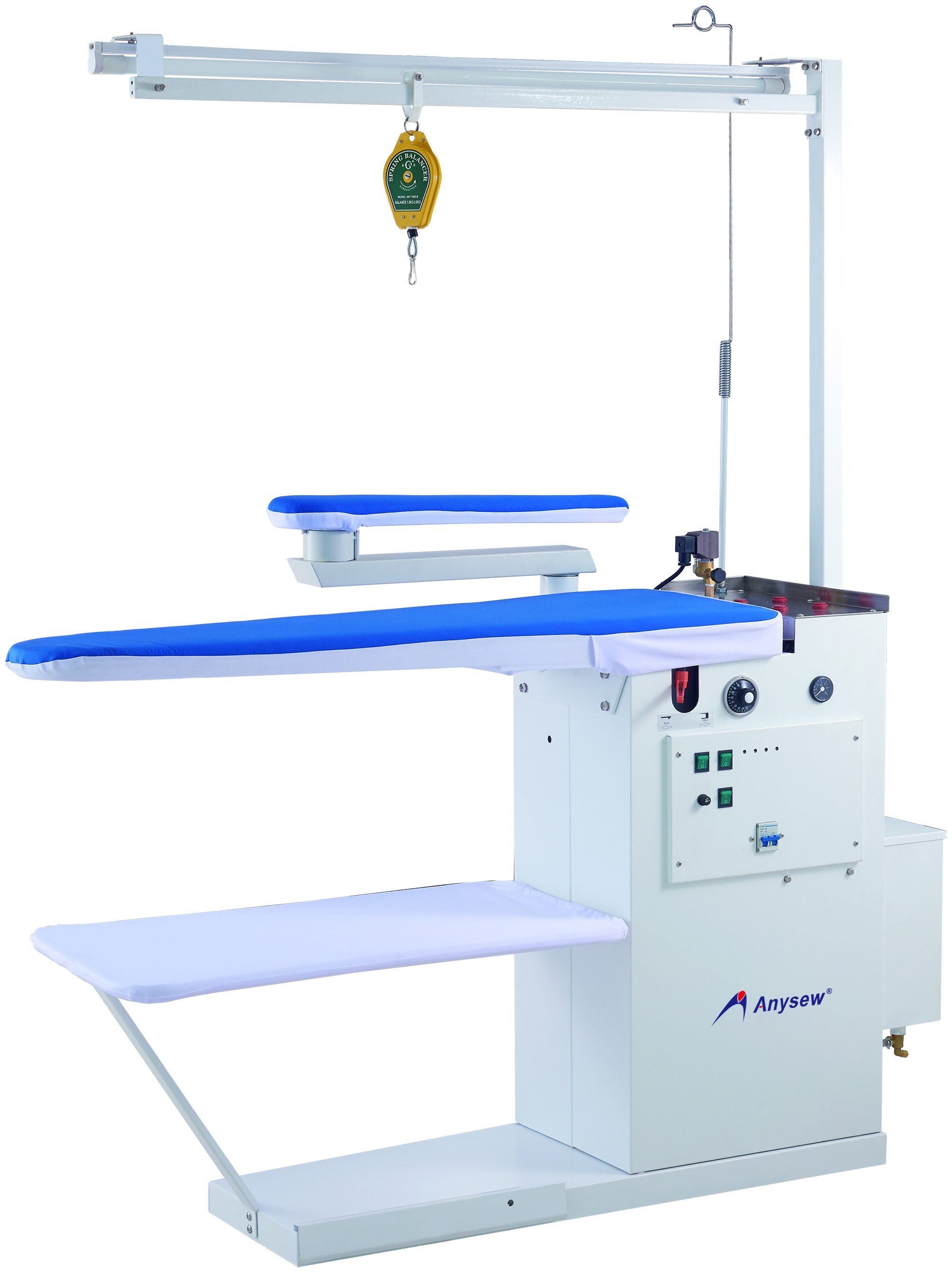
A heat press machine and screen printing both apply designs to garments, but they use different production methods. A heat press machine uses controlled heat and pressure to bond a prepared transfer to fabric, while screen printing pushes ink through a mesh stencil. That difference affects setup, artwork, workflow, and the scale of orders each method suits.
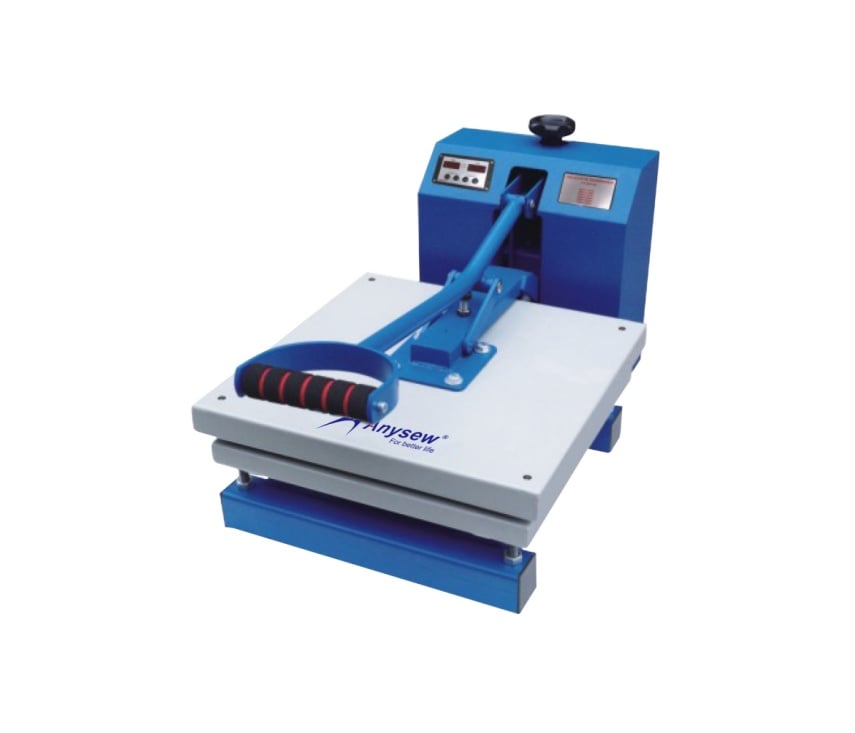
For a production team, choosing between a heat press machine and screen printing is less about declaring one method superior and more about matching the process to the job. A heat press machine can simplify short runs when designs arrive as ready-to-apply transfers. Screen printing involves preparing screens and applying ink directly, which can make sense for repeat jobs and larger quantities.
How the decoration process works
Transfers, heat, and pressure
A heat press machine applies a transfer that has already been produced, such as a cut film or printed transfer, to the garment. The operator positions the design, sets suitable temperature, pressure, and dwell time, then closes the press. The heat press machine provides the contact needed to bond the transfer according to its material instructions.
In this workflow, much of the image-making happens before the garment reaches the heat press machine. The transfer may be cut, printed, or otherwise prepared separately, and the operator checks its alignment before pressing. A heat press machine is therefore a finishing tool within a broader decoration process, rather than necessarily the device that creates the artwork itself.
After pressing, the transfer may require a hot, warm, or cold peel, depending on its construction. The operator should follow the transfer supplier’s specifications and test the fabric before production. With a heat press machine, consistent placement and settings matter; changing pressure or temperature without validation can lead to poor adhesion, scorching, or an uneven finish.
Ink, screens, and direct application
Screen printing prepares a separate mesh screen for each color layer in the design. Ink is drawn across the screen and pressed through open areas onto the garment, then the printed ink is cured. Unlike a heat press machine, the screen printing setup places ink directly on the textile rather than bonding a finished transfer.
This distinction changes the preparation workload. Screen printing requires artwork separations, screen preparation, registration, ink management, and cleanup. A heat press machine does not require a printing screen for each garment design, although transfers still need to be sourced or produced and correctly matched to the material being decorated.
Both processes need controlled handling and quality checks. Screen printing operators monitor ink coverage, registration, and curing, while a heat press machine operator checks alignment, pressing conditions, and adhesion. Neither process removes the need for testing: fabric composition, garment seams, surface texture, and the transfer or ink system all influence the finished result.
How setup and production scale differ
Short runs and frequent design changes
A heat press machine can be practical when orders involve limited quantities, personalization, or frequent artwork changes. Once the transfer is ready, the operator can apply designs without preparing a new screen for each color. This makes the heat press machine workflow useful for samples, names, small batches, and jobs where flexibility matters more than printing many identical pieces.
That flexibility does not mean every small order is automatically faster. Transfers must be available, garments need to be positioned carefully, and each item goes through a press cycle. A heat press machine also requires attention to the transfer’s application instructions, so operators should account for setup, testing, and handling time when estimating a short-run job.
For a business handling varied products, the heat press machine may help separate garment decoration from transfer production. Teams can prepare artwork or transfers in advance and press only what an order requires. The benefit is a more adaptable workflow, provided the shop can manage transfer inventory, garment compatibility, and quality checks without creating delays.
Repeat orders and larger quantities
Screen printing often becomes attractive when many garments share the same design, because screen preparation is spread across a larger run. Once the setup is complete, the process can repeat the same artwork across multiple items. A heat press machine can also handle batches, but each garment still needs an individual placement and pressing cycle.
For repeat production, compare the full workflow rather than one machine operation. Screen printing involves screen setup and cleanup, while heat press machine production involves transfer preparation, alignment, and pressing. Order quantity, number of colors, design variation, available labor, and required turnaround all affect which workflow is more efficient for a particular job.
Capacity depends on the equipment and the production environment, so avoid assuming a method will meet a target rate without a trial. A heat press machine station needs a safe work area, reliable garment handling, and enough time for repeat cycles. Screen printing needs its own space and process controls. A timed sample run gives managers more useful planning data than a general rule.
How to choose for a specific job
Match artwork and garment requirements
Start by checking the design, fabric, and finish requirements. A heat press machine is suited to applying compatible transfers, but the transfer type must work with the garment’s material and surface. Screen printing applies ink directly and may suit artwork intended for that process. Test the actual combination before committing a full order to either method.
Artwork complexity is another practical consideration. Transfers can support certain detailed or individualized designs, depending on the transfer technology, while screen printing handles designs through prepared color layers. A heat press machine does not determine transfer image quality by itself; the quality of the supplied transfer and its compatibility with the press conditions remain important.
Consider how the decoration feels and performs in use. Transfer materials and printed ink can create different surface characteristics, and the desired result depends on the product specification. A heat press machine can only apply the transfer as designed; it cannot correct a mismatch between the transfer, garment, or care requirements. Sample washing and wear checks help confirm suitability.
Assess workflow, cost, and quality control
Compare setup costs and labor across the entire order, not just equipment. Screen printing may require screen preparation and cleanup, while a heat press machine job may require purchasing or producing transfers. Include consumables, operator time, test pieces, rework risk, and storage needs. These factors can shift the better choice from one job to another.
Quality control should reflect the failure points of each method. For a heat press machine, document validated temperature, pressure, and time settings, and inspect placement and adhesion. For screen printing, monitor registration, ink coverage, and curing. A repeatable process helps operators identify whether a defect comes from materials, setup, handling, or equipment.
A useful decision is based on the actual order profile. Choose a heat press machine workflow when compatible transfers, short runs, or customization fit the requirement. Consider screen printing when direct ink application and repeated artwork align with production needs. Some operations use both methods for different jobs, selecting the process that meets the design, volume, and quality brief.
FAQ
Does a heat press machine print the design?
Usually, a heat press machine applies a transfer that has been prepared separately; it does not necessarily create the image. The transfer-making method determines the artwork, while the press supplies heat and pressure for application.
Which method is better for a small custom order?
A heat press machine can suit a small custom order when the transfer is compatible and ready to apply. Screen printing may involve more setup for changing designs, but the right choice depends on artwork, materials, available capacity, and the complete job workflow.
Can both methods decorate the same type of garment?
Sometimes, but material compatibility and the required finish must be checked for each process. Test the fabric with the intended ink or transfer, and validate the heat press machine settings or printing and curing process before producing the full order.