
 EN
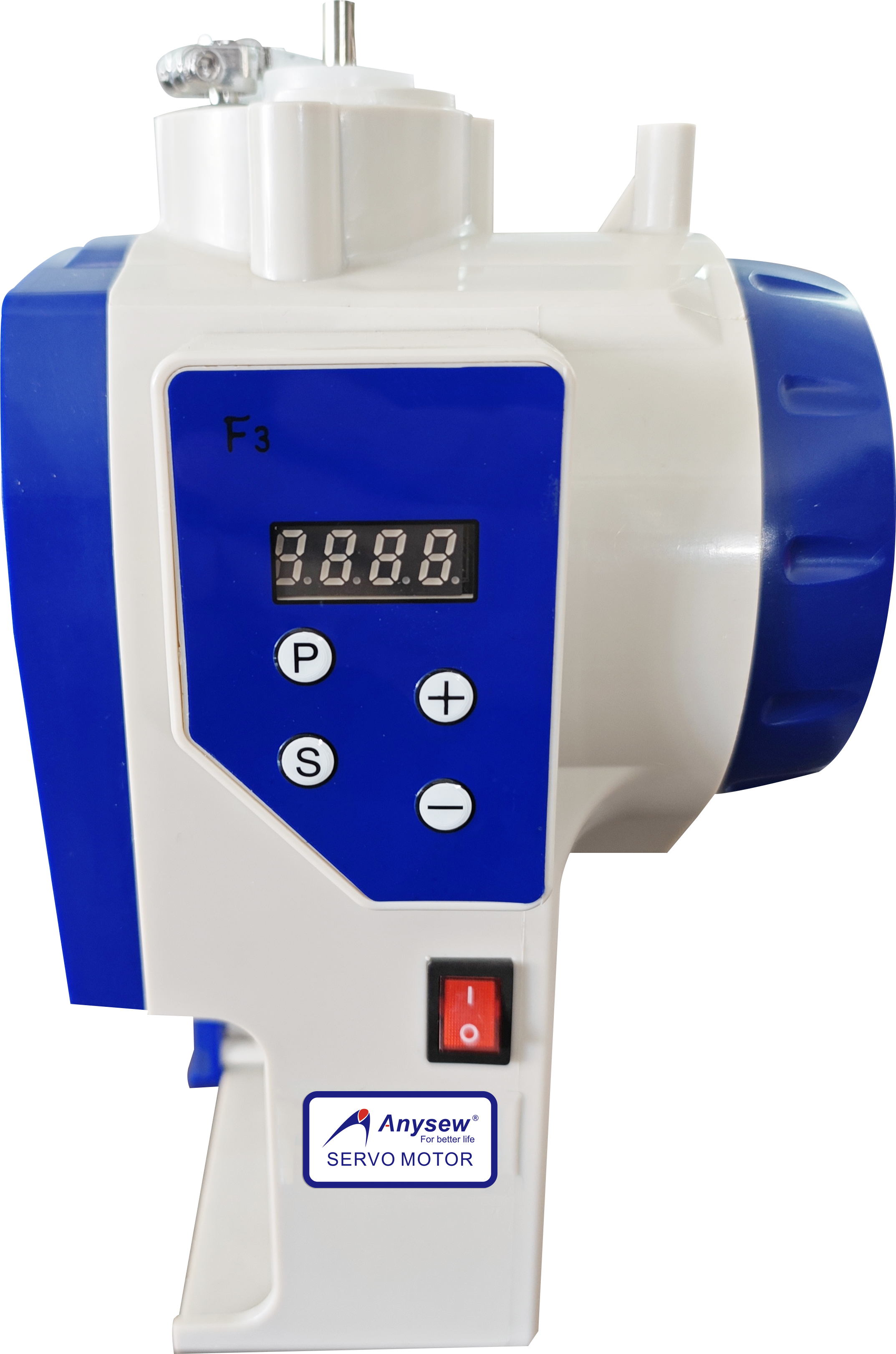
A noisy production line can make communication harder, mask early signs of equipment trouble, and add strain to an already busy work area. A servo motor can help reduce operating noise by controlling motion more precisely than a motor that runs continuously at a fixed speed. The result depends on the whole machine, but understanding how the motor works helps teams identify practical improvements.
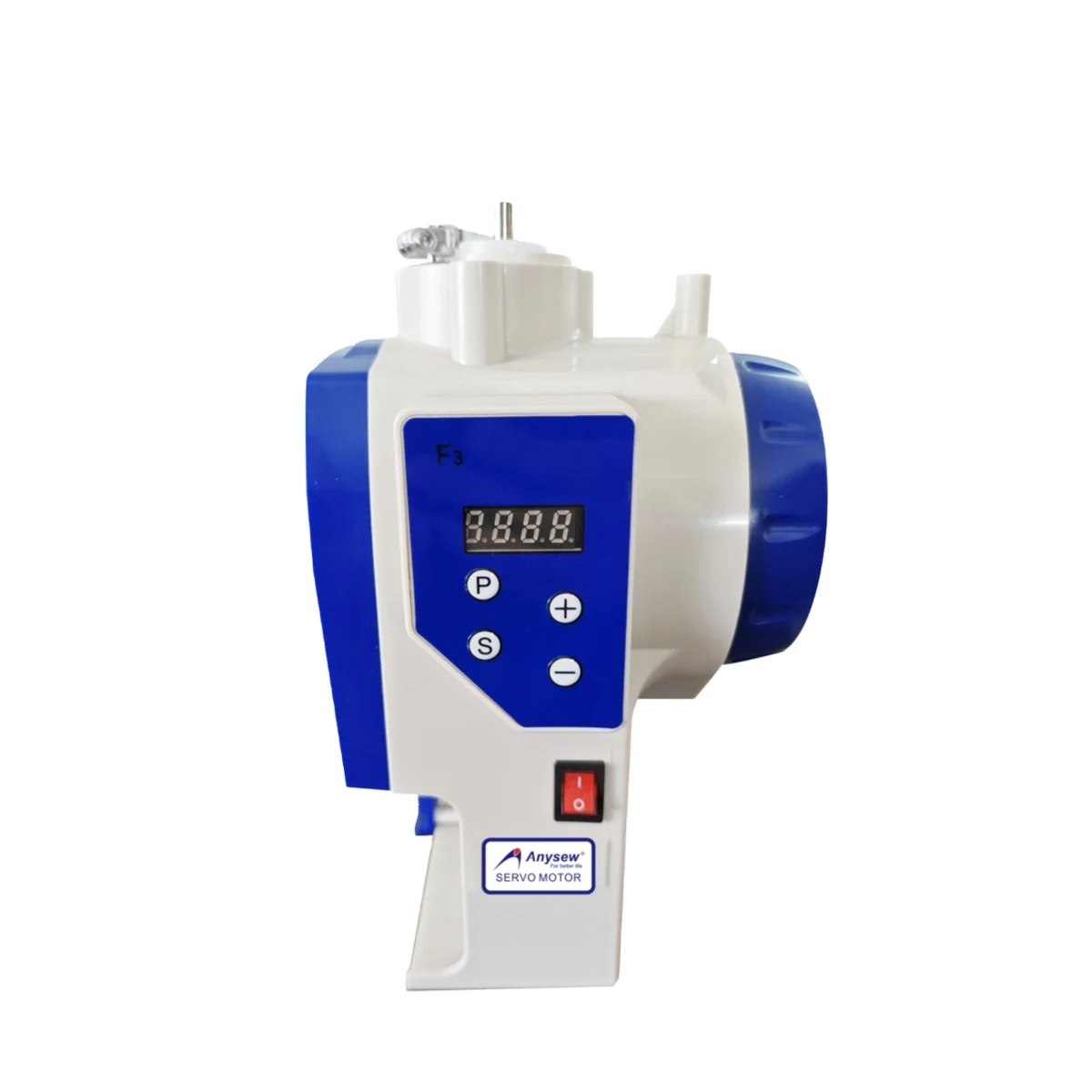
The key is not simply replacing one component and expecting silence. A servo motor responds to operating demand, starts and stops in a controlled way, and can avoid unnecessary motion while equipment is idle. Those behaviors can reduce certain sources of sound on production lines, especially where repeated cycles, changing workloads, or operator-controlled machinery are involved.
How motor control changes the sound profile
Demand-based operation limits idle noise
On many machines, a conventional motor keeps turning even when the operator is not actively processing material. The continued rotation can create a steady mechanical hum and keep belts, fans, or connected parts moving. A servo motor can reduce that background sound by operating in response to the machine's actual demand, rather than maintaining motion throughout every pause.
This difference matters on lines with frequent short stops, manual loading, inspection, or sewing operations. When the process pauses, a servo motor can reduce or stop its output as the control system permits. Less unnecessary motion means fewer opportunities for motor and transmission noise during idle intervals. The precise result depends on machine design, settings, and the type of load.
Demand-based operation also changes how workers experience sound over a shift. A servo motor may not remove the noise produced by cutting, airflow, material handling, or neighboring equipment, but it can reduce the continuous contribution from the drive. That distinction helps managers set realistic expectations and focus on the sound sources the motor can actually influence.
Controlled starts and stops reduce abrupt movement
Abrupt acceleration can make machine components jolt, vibrate, or strike against small clearances. A servo motor uses control signals to regulate speed and torque, supporting a more gradual transition between rest and operation. Smoother movement can reduce impact-related sounds and the vibration that travels through a machine frame or work surface.
The effect is especially relevant in repetitive processes where equipment cycles many times. A servo motor can follow a set speed profile instead of repeatedly jumping to full speed without regard to the task. Properly selected acceleration and deceleration settings help balance response time with smooth motion, although settings that are too gentle may affect cycle timing.
Sound reduction should therefore be assessed alongside throughput and process quality. A servo motor does not make every machine quiet simply because it provides precise control. Operators and maintenance teams should listen for rattles, resonance, or harsh stops after adjustment, then check whether the cause is control tuning, loose hardware, poor alignment, or wear elsewhere in the drive train.
Where a servo motor can reduce production noise
Machine cycles and operator work areas
In operator-led equipment, the sound pattern often follows foot controls, material handling, and brief pauses. A servo motor can match output more closely to those actions, reducing prolonged running between work cycles. For industrial sewing machines, this can make the drive less intrusive when the operator stops to position fabric, inspect a seam, or prepare the next piece.
The change can improve the working environment without changing the task itself. A quieter drive may make nearby conversation and audible machine cues easier to distinguish, though it cannot substitute for a workplace noise assessment. A servo motor designed for an industrial sewing machine should be considered in relation to that machine's mounting, control interface, and operating requirements.
Production teams should also consider the location of the sound. A servo motor may reduce noise at one workstation while the dominant source remains a conveyor, pneumatic tool, exhaust fan, or material impact nearby. Listening at the operator position and along the line helps determine whether motor behavior is a meaningful contributor rather than assuming all reported noise comes from the drive.
Vibration paths through the equipment
Some noise is transmitted rather than generated directly at the motor. Vibration can pass through brackets, tables, guards, and floors, then become more noticeable at a resonant surface. By controlling acceleration and torque, a servo motor can help limit some motion-related vibration, but poor mounting or structural resonance can still amplify sound.
For this reason, installation quality matters. A correctly aligned servo motor, secure mounting, and suitable coupling reduce the chance that avoidable vibration will undermine its control advantages. Teams should inspect fasteners, belt tension, pulleys, and machine condition during commissioning. If a new sound appears after a retrofit, check alignment and mounting before changing the control profile.
Load characteristics also influence the outcome. A servo motor matched to the task can maintain controlled movement under expected operating conditions, while an unsuitable motor or overloaded mechanism may produce heat, vibration, or unstable behavior. Review the machine's speed range, torque demand, duty cycle, and controller compatibility before selecting or configuring a replacement drive.
Practical steps for a quieter installation
Configure and maintain the drive correctly
Begin by documenting when the noise occurs: during idle periods, acceleration, steady operation, or stopping. This simple distinction helps establish whether a servo motor can address the cause. Compare the machine's sound before and after adjustment under similar loads, speeds, and work conditions rather than relying on memory or a single quiet moment.
Next, review control settings with the machine documentation and qualified personnel. Acceleration, deceleration, speed limits, and response settings should suit the application. A servo motor that is tuned for abrupt response may sound harsher than necessary, while settings that are too conservative can interfere with production. Make controlled changes and confirm both sound and process performance.
Routine maintenance remains essential. Worn bearings, loose guards, damaged belts, unbalanced rotating parts, and inadequate lubrication can produce noise that motor control cannot correct. A servo motor may make a problem easier to notice because idle running is reduced, but that does not mean the motor caused it. Investigate new or changing sounds promptly and follow safe lockout procedures before inspection.
Measure results across the production line
A useful evaluation considers worker experience as well as measurable sound levels. Record the work area, machine state, and production conditions during each measurement, because background activity can distort comparisons. If exposure is a concern, use an appropriate assessment process and consult qualified safety professionals; a servo motor is only one possible part of a broader noise-control plan.
Review results after operators have used the equipment through representative shifts. Ask whether idle sound, cycle transitions, or vibration has changed, and check for any trade-off in output or handling. A servo motor is most valuable when noise reduction supports reliable production rather than creating new process constraints. Keep the final settings documented so future maintenance preserves the intended behavior.
FAQ
Does a servo motor make a production line silent?
No. A servo motor can reduce drive-related noise from continuous running, abrupt movement, or some vibration, but other machinery and process sounds remain. Results depend on installation, tuning, load, and the condition of connected equipment.
Which production line sounds can a servo motor affect?
It may influence motor hum during idle periods and sounds linked to acceleration, stopping, or transmitted vibration. It will not directly eliminate noise from cutting, compressed air, conveyors, impacts, or unrelated machines.
What should teams check after installation?
Check mounting, alignment, belt condition, control settings, and machine compatibility. Compare noise under equivalent operating conditions, monitor process performance, and investigate unusual sounds instead of assuming the servo motor is the source.