
 EN
EN
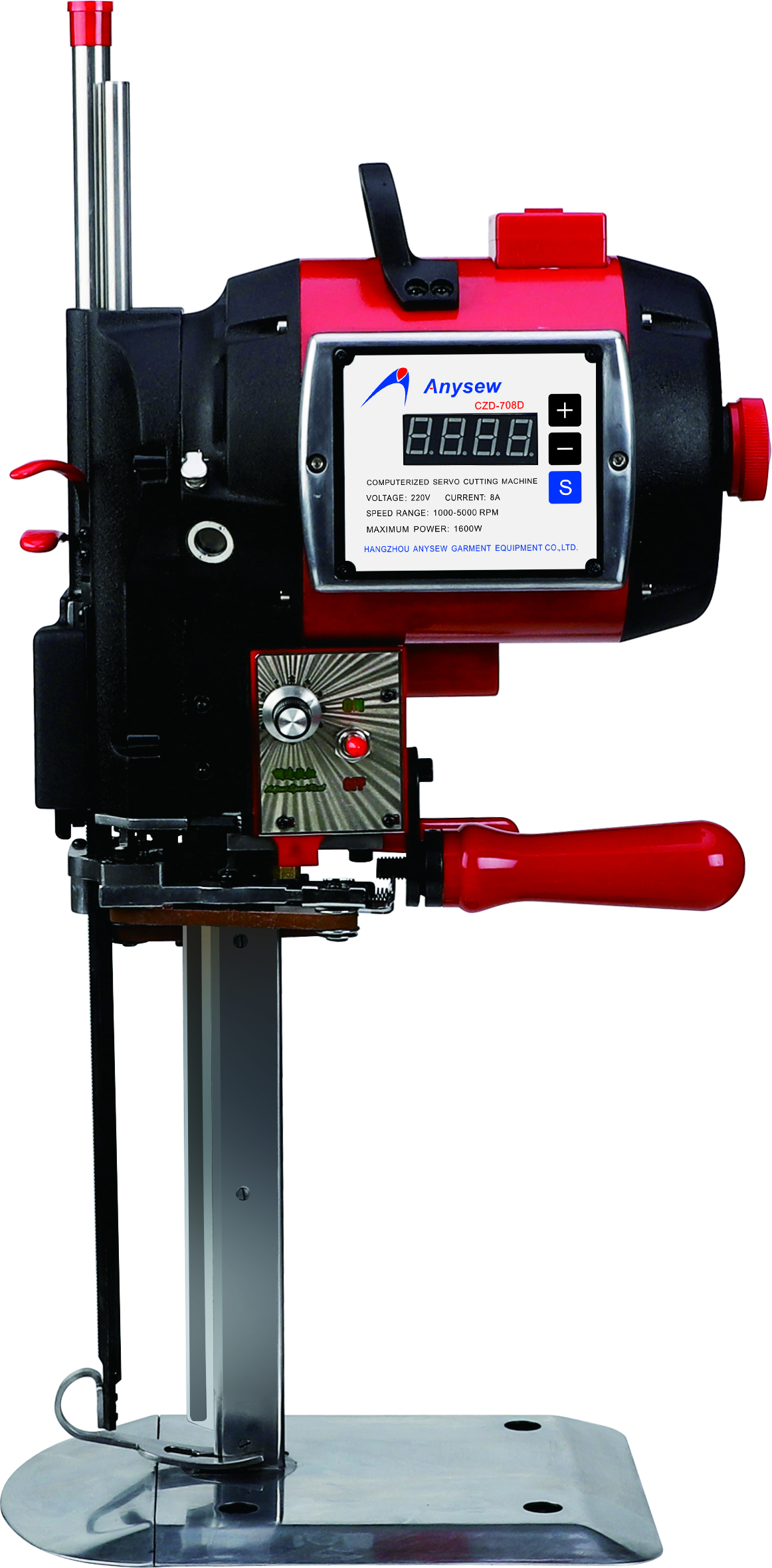
The cutting machine industry is undergoing a profound transformation driven by automation technologies that are reshaping how manufacturers approach precision cutting operations. Modern automation systems integrated into cutting machine equipment are delivering unprecedented levels of accuracy, speed, and consistency that were previously impossible to achieve through manual or semi-automatic cutting machine processes. This shift toward automated cutting machine solutions represents one of the most significant evolutionary steps in industrial manufacturing history, affecting everything from fabric production to metal fabrication and composite material processing.
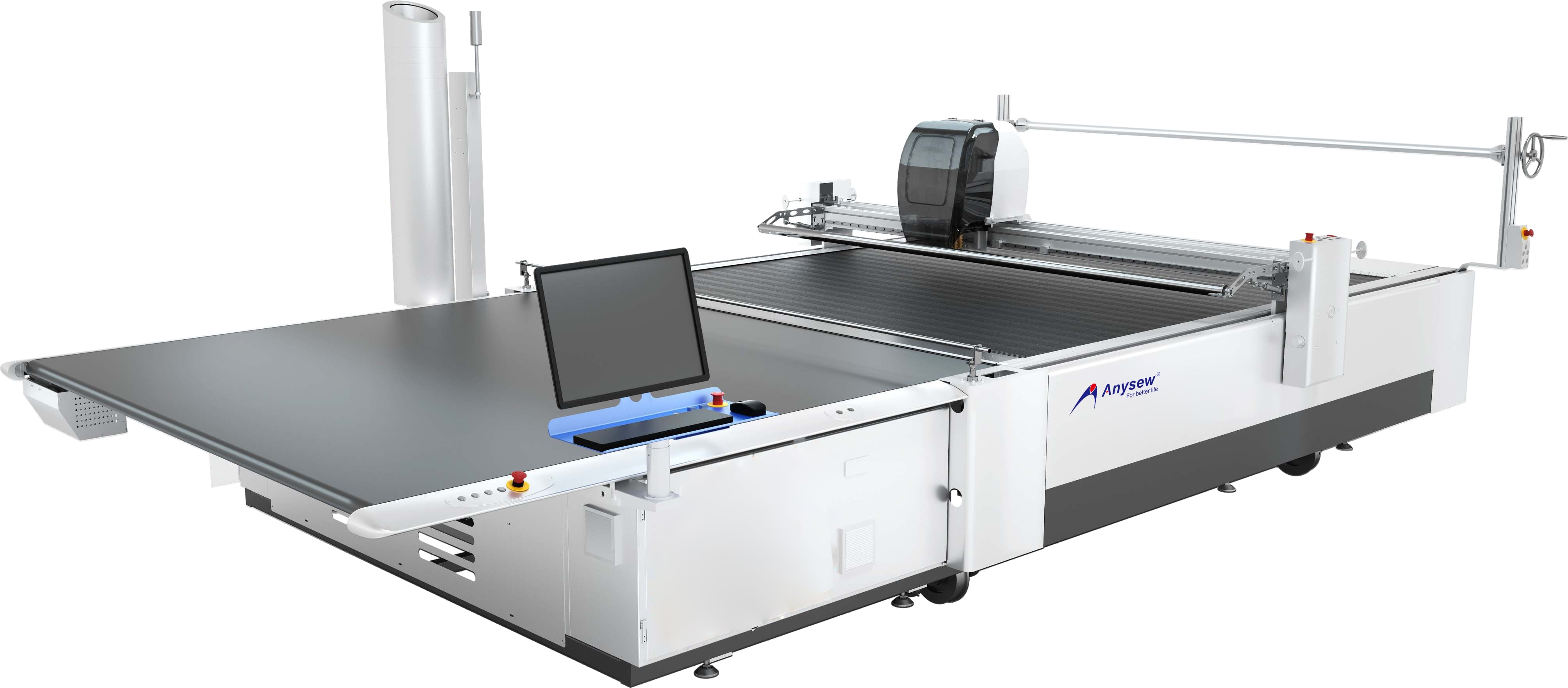
The integration of automation into cutting machine technology has fundamentally altered production economics and manufacturing strategy across diverse industries. Organizations that adopt advanced cutting machine automation are experiencing substantial improvements in output consistency, waste reduction, and operational flexibility. Understanding how automation is transforming cutting machine capabilities is essential for manufacturers seeking to remain competitive in rapidly evolving markets where precision, speed, and adaptability determine success.
The Core Impact of Automation on Cutting Machine Performance
Enhanced Precision and Consistency
Automated cutting machine systems deliver precision levels that far exceed what human operators can achieve, even with extensive training and experience. Computer-controlled cutting machine mechanisms eliminate the variable human factors that traditionally introduced inconsistencies into production runs. A modern cutting machine equipped with automation can maintain tolerances within fractions of a millimeter across thousands of consecutive cuts, ensuring that every piece meets exact specifications. This precision advantage transforms the cutting machine from a basic production tool into a critical quality assurance component within manufacturing workflows.
The repeatability inherent in automated cutting machine technology means that production batches maintain uniform dimensional accuracy regardless of operator fatigue, environmental conditions, or other external variables. When manufacturers implement cutting machine systems featuring advanced automation, they immediately notice reductions in scrap rates and rework requirements. This consistency benefit extends across material variations, as modern cutting machine automation adjusts parameters in real time to maintain optimal performance.
Dramatic Increases in Production Speed
Automation has fundamentally increased the cutting speed capabilities of contemporary cutting machine equipment while simultaneously improving output quality. Traditional cutting machine operations face inherent speed limitations imposed by manual processes, operator attention requirements, and safety protocols designed around human operators. Automated cutting machine systems operate continuously without fatigue, executing complex cut patterns at speeds that would exhaust human workers within hours. The speed advantage of modern cutting machine automation translates directly into increased throughput and faster order fulfillment for manufacturing operations.
The productivity gains from automated cutting machine technology enable manufacturers to reduce production timelines significantly while maintaining superior quality standards. A cutting machine operating with full automation can complete daily production targets that would require substantially larger teams of manual operators working traditional shifts. This speed multiplication makes advanced cutting machine automation especially valuable during peak demand periods when rapid scaling becomes a competitive necessity.
Operational Advantages and Workflow Transformation
Cost Reduction and Resource Optimization
The automation of cutting machine operations produces substantial cost advantages that extend beyond obvious labor reductions. Automated cutting machine systems minimize material waste through optimized cutting patterns that reduce scrap and maximize material utilization. The reduction in waste alone often justifies cutting machine automation investments within relatively short payback periods, particularly in operations processing expensive materials. Additionally, automated cutting machine equipment operates with greater energy efficiency than manual systems, contributing to lower operational costs across multiple expense categories.
Material savings from advanced cutting machine automation can range from fifteen to thirty percent depending on product complexity and material type. When manufacturers implement cutting machine automation designed specifically for their material types, the financial benefits accumulate rapidly. Reduced labor requirements, lower energy consumption, and minimal waste combine to create compelling economic justification for cutting machine automation investments that significantly impact profitability.
Improved Safety and Workplace Reliability
Automated cutting machine systems remove human operators from potentially hazardous cutting operations, substantially reducing workplace injury risks. Cutting machines operating with full automation eliminate direct contact between workers and sharp cutting elements, moving tools, and high-pressure systems. The safety enhancement from cutting machine automation represents a critical value proposition for facilities prioritizing worker protection and seeking to reduce insurance costs and regulatory compliance burdens.
Beyond injury prevention, automated cutting machine equipment enhances workplace reliability by maintaining consistent operating conditions and reducing human error-related incidents. Modern cutting machine automation includes integrated safety systems that detect anomalies and halt operations before dangerous situations develop. The reliability improvements from cutting machine automation extend equipment lifespan and reduce maintenance emergencies caused by operator mistakes or fatigue-related oversights.
Strategic Implementation and Industry-Specific Applications
Sector-Specific Cutting Machine Automation Solutions
Different industries have adopted cutting machine automation in ways specifically tailored to their unique material types and production requirements. The textile industry employs highly specialized cutting machine automation systems designed for cutting multiple fabric layers with complex pattern configurations. Metal fabrication facilities use cutting machine automation technologies optimized for handling heavy materials and precision tolerances measured in micrometers. Composite material producers rely on cutting machine automation that manages the unique challenges presented by reinforced materials and specialized material stacking configurations.
Each application domain has developed cutting machine automation best practices reflecting the specific challenges and requirements of that industry sector. Understanding these industry-specific implementations helps manufacturers evaluate which cutting machine automation technologies align with their particular operational needs. The flexibility of modern cutting machine automation platforms enables adaptation across diverse material types while maintaining operational efficiency and precision.
Integration with Digital Manufacturing Ecosystems
Contemporary cutting machine automation extends beyond individual equipment to integrate with broader digital manufacturing systems including design software, inventory management, and quality control platforms. Intelligent cutting machine automation systems receive design specifications directly from digital design files, eliminating manual programming steps and reducing setup time between production runs. This integration transforms cutting machine automation from an isolated improvement into a cornerstone component of comprehensive manufacturing transformation.
The data-driven capabilities of advanced cutting machine automation enable real-time monitoring of production metrics, efficiency tracking, and predictive maintenance scheduling. Manufacturers leveraging cutting machine automation integration with digital systems gain unprecedented visibility into operational performance and can make rapid adjustments optimizing production efficiency. This systematic approach to cutting machine automation represents the evolution of manufacturing from isolated improvements to cohesive technological ecosystems.
FAQ
What specific advantages does cutting machine automation provide compared to manual cutting operations?
Automated cutting machine systems deliver significantly superior precision, consistency, and speed compared to manual operations. Cutting machine automation eliminates human variability, reduces material waste, improves worker safety, and operates continuously without fatigue limitations. The cumulative advantage of cutting machine automation typically produces return on investment within eighteen to thirty-six months, depending on production volume and material costs.
How does cutting machine automation affect workforce requirements and employment in manufacturing facilities?
Cutting machine automation redistributes workforce requirements rather than eliminating employment entirely. While direct cutting machine operation positions may decrease, new roles emerge in cutting machine maintenance, programming, quality control, and system monitoring. Facilities adopting cutting machine automation typically require retraining existing employees for higher-skilled positions managing advanced cutting machine systems, often resulting in improved wage opportunities for the workforce.
What is the typical investment required to implement cutting machine automation in an existing manufacturing facility?
Cutting machine automation investment varies significantly based on facility size, production complexity, and existing equipment compatibility. Modern cutting machine automation systems range from mid-range investments for small-scale operations to substantial capital projects for large facilities. Most manufacturers find that cutting machine automation investments achieve payback through efficiency gains, waste reduction, and increased output within reasonable timeframes, making the investment financially justified for most production scenarios.
Table of Contents
- The Core Impact of Automation on Cutting Machine Performance
- Operational Advantages and Workflow Transformation
- Strategic Implementation and Industry-Specific Applications
-
FAQ
- What specific advantages does cutting machine automation provide compared to manual cutting operations?
- How does cutting machine automation affect workforce requirements and employment in manufacturing facilities?
- What is the typical investment required to implement cutting machine automation in an existing manufacturing facility?