
 EN
EN
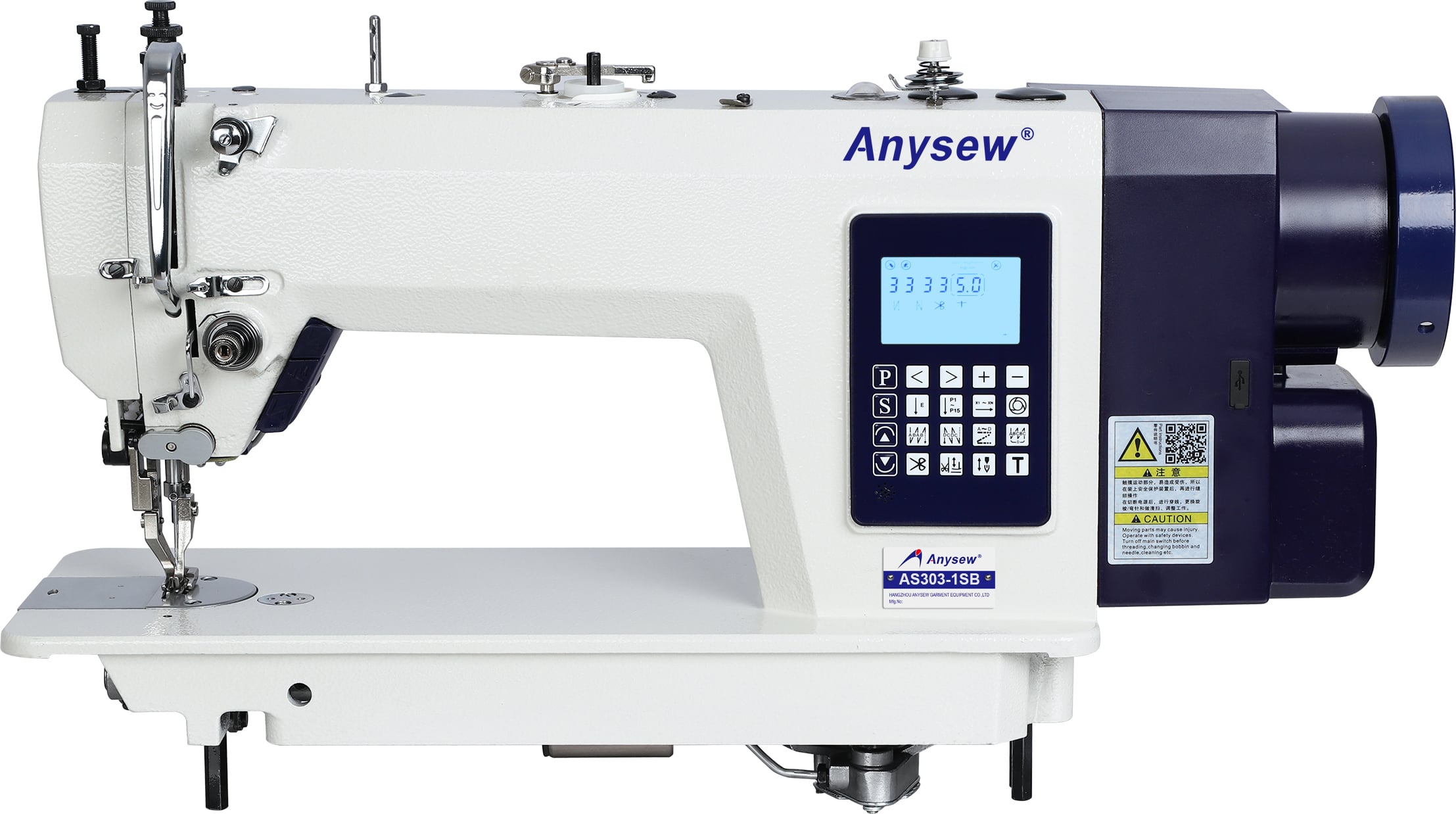
Understanding what drives the cost of sewing machines requires examining multiple interconnected factors that distinguish budget models from premium investments. Quality sewing machines represent significant purchases for both hobbyists and professionals, and the price variations across the market reflect substantial differences in engineering, materials, and capabilities. Whether you're shopping for your first sewing machines or upgrading to industrial-grade equipment, recognizing the elements that determine sewing machine prices empowers you to make informed purchasing decisions aligned with your actual needs and budget constraints.
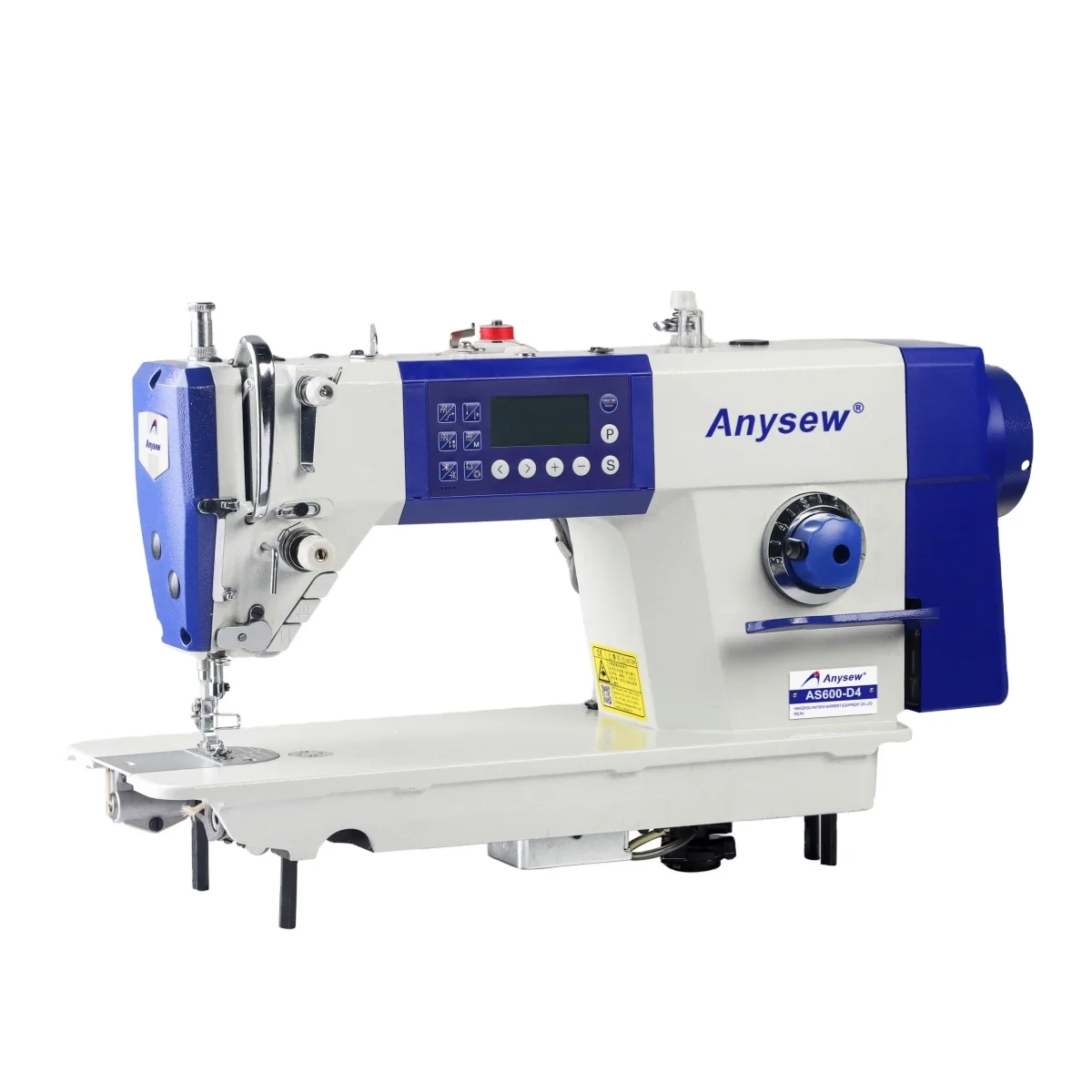
The pricing landscape for sewing machines encompasses diverse categories, from basic domestic models to specialized industrial sewing machines designed for high-volume production environments. Premium sewing machines command higher prices due to precision engineering, advanced automation, and durability built to withstand intensive use. Understanding these price determinants helps buyers evaluate whether they're paying for essential features or advanced capabilities that may exceed their specific requirements, ultimately leading to smarter investment decisions in sewing machines that deliver genuine long-term value.
Materials and Construction Quality
Structural Durability and Metal Components
The foundational cost driver for sewing machines lies in the materials used throughout their construction. Premium sewing machines feature cast-iron frames and metal components that provide stability during extended use, whereas budget models often use plastic housings to reduce manufacturing expenses. Industrial sewing machines particularly emphasize metal construction because vibration reduction and precision alignment directly impact stitch quality and machine longevity. This material hierarchy significantly influences the price point, as sourcing, machining, and assembly of metal components costs substantially more than plastic fabrication.
Precision Engineering Standards
High-quality sewing machines incorporate tight tolerances in needle positioning, feed mechanisms, and tension systems that require sophisticated manufacturing processes. The precision required for sewing machines that produce consistent stitches across varied fabric types necessitates advanced CNC machining and quality control protocols that increase production costs. When you compare budget sewing machines to quality sewing machines, the difference in engineering precision becomes immediately apparent through stitch consistency and fabric handling. These exacting manufacturing standards directly translate into higher pricing for sewing machines designed to deliver professional-grade results.
Motor Technology and Automation Features
Motor Power and Speed Capabilities
The motor integrated into sewing machines represents a substantial portion of the manufacturing cost, particularly in quality sewing machines designed for heavy-duty applications. Servo motors and brushless technologies employed in premium sewing machines provide superior speed control, energy efficiency, and operational reliability compared to universal motors found in entry-level models. Industrial sewing machines often feature high-horsepower motors capable of maintaining consistent performance across demanding production schedules, which commands premium pricing. Motor quality directly affects the lifespan of sewing machines and their ability to handle specialized tasks, making it a critical factor in overall value assessment.
Computerization and Digital Controls
Modern computerized sewing machines incorporate sophisticated electronics that automate complex stitch patterns, fabric tension adjustment, and needle positioning with minimal operator intervention. The cost of developing, testing, and manufacturing these electronic systems substantially raises the price of sewing machines compared to mechanical alternatives. Programmable features in quality sewing machines allow users to store custom patterns, adjust settings across multiple parameters simultaneously, and achieve reproducible results that manual adjustments cannot match. Advanced sewing machines with touchscreen interfaces, data connectivity, and integrated diagnostic systems represent the premium tier of pricing, reflecting extensive software development and hardware integration.
Functionality and Specialized Features
Stitch Variety and Pattern Complexity
The number and sophistication of available stitches directly correlate with sewing machine prices across all market segments. Entry-level sewing machines typically offer 20 to 50 basic stitches, while quality sewing machines may feature hundreds of programmed patterns including decorative, utility, and specialized stitches for specific fabric types. Computerized sewing machines that accommodate proprietary design cards or connect to external pattern libraries cost more to manufacture and support. Premium sewing machines designed for embroidery, quilting, or industrial applications incorporate advanced stitch libraries that justify their substantially higher price points compared to general-purpose models.
Additional Mechanical and Operational Features
Quality sewing machines often include automatic needle threaders, tension regulators, and presser foot systems that enhance usability and consistency while reducing operator fatigue during extended sessions. Many industrial sewing machines feature rotary hook systems instead of shuttle mechanisms, allowing faster stitch speeds and improved thread management that increase reliability and output. Automatic bobbin winding, thread cutters, and needle positioning functions add operational convenience and contribute to the higher pricing of premium sewing machines. The more features and automation integrated into sewing machines, the greater the engineering complexity and manufacturing expense, directly impacting the final market price across all product categories.
Brand Reputation and Market Positioning
Established Track Record and Customer Support
Established manufacturers of quality sewing machines command premium pricing partly due to decades of reputation, customer loyalty, and proven performance history. Brands with strong track records in sewing machines invest heavily in customer support infrastructure, warranty programs, and service networks that smaller or newer competitors cannot match. The quality of after-sales support, availability of replacement parts, and access to technical assistance significantly impact the true cost of ownership for sewing machines beyond the initial purchase price. Buyers often pay more for sewing machines from recognized manufacturers because this investment provides peace of mind, accessible service, and long-term reliability assurance.
Research and Development Investment
Companies manufacturing premium sewing machines allocate substantial resources toward continuous innovation, testing new materials, and refining engineering designs that push performance boundaries. This commitment to research and development directly increases the cost structure for quality sewing machines compared to manufacturers who rely on established designs with minimal updates. The development of advanced sewing machines with cutting-edge features requires investment in prototype testing, patent development, and market research that ultimately reflects in consumer pricing. Leading manufacturers justify their pricing premiums for sewing machines by pointing to these ongoing innovations and quality improvements that benefit end users through better performance and durability.
FAQ
Why do computerized sewing machines cost significantly more than mechanical models?
Computerized sewing machines incorporate complex electronic systems, servo motors, programmable memory, and digital interfaces that require extensive engineering, software development, and quality assurance testing. The manufacturing process for these advanced sewing machines demands precision electronics integration and rigorous testing protocols that substantially increase production costs. Additionally, computerized sewing machines offer expanded functionality including automatic stitch adjustment, pattern storage, and advanced features that justify their premium pricing compared to mechanical-only models.
Do industrial sewing machines always cost more than domestic quality sewing machines?
Industrial sewing machines typically command higher prices due to their heavy-duty construction, powerful motors, and design specifications optimized for continuous high-volume production environments. However, advanced computerized domestic sewing machines can sometimes approach or match the price of entry-level industrial sewing machines, though their durability and production capacity differ substantially. The distinction between sewing machines comes down to intended use rather than pure capability; industrial sewing machines are engineered for professional production while domestic sewing machines, even premium models, target personal or small-scale business use.
How does material quality influence the long-term value of sewing machines?
Premium sewing machines constructed from cast iron and quality metals maintain precision alignment and stitch consistency over years of heavy use, whereas plastic-bodied sewing machines may develop dimensional changes that degrade performance over time. Quality sewing machines made with superior materials experience fewer maintenance issues, require less frequent repairs, and maintain resale value significantly better than budget alternatives. When evaluating the total cost of ownership for sewing machines, considering material durability and construction quality often demonstrates that investing in premium sewing machines saves money through reduced repairs, extended lifespan, and consistent performance throughout the product lifecycle.