
 EN
EN
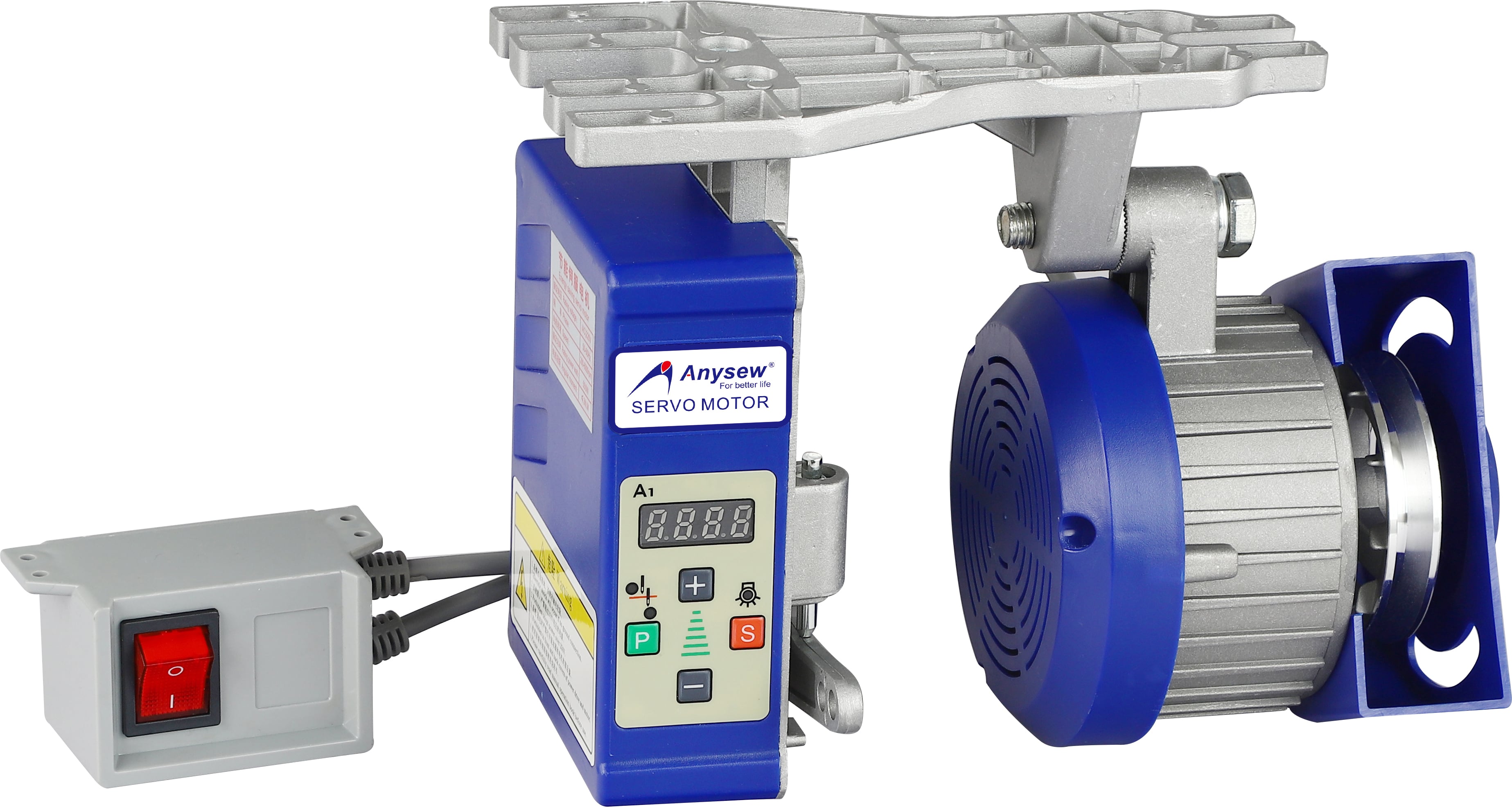
A servo motor is a precision electromechanical device that requires regular, thoughtful maintenance to deliver consistent performance and extend operational lifespan. Unlike standard industrial motors, a servo motor operates under tighter tolerances and depends on careful calibration, clean operating conditions, and proactive upkeep to avoid costly downtime. Understanding what maintenance a servo motor typically needs is essential for any facility that relies on automation, robotics, or precision motion control systems.
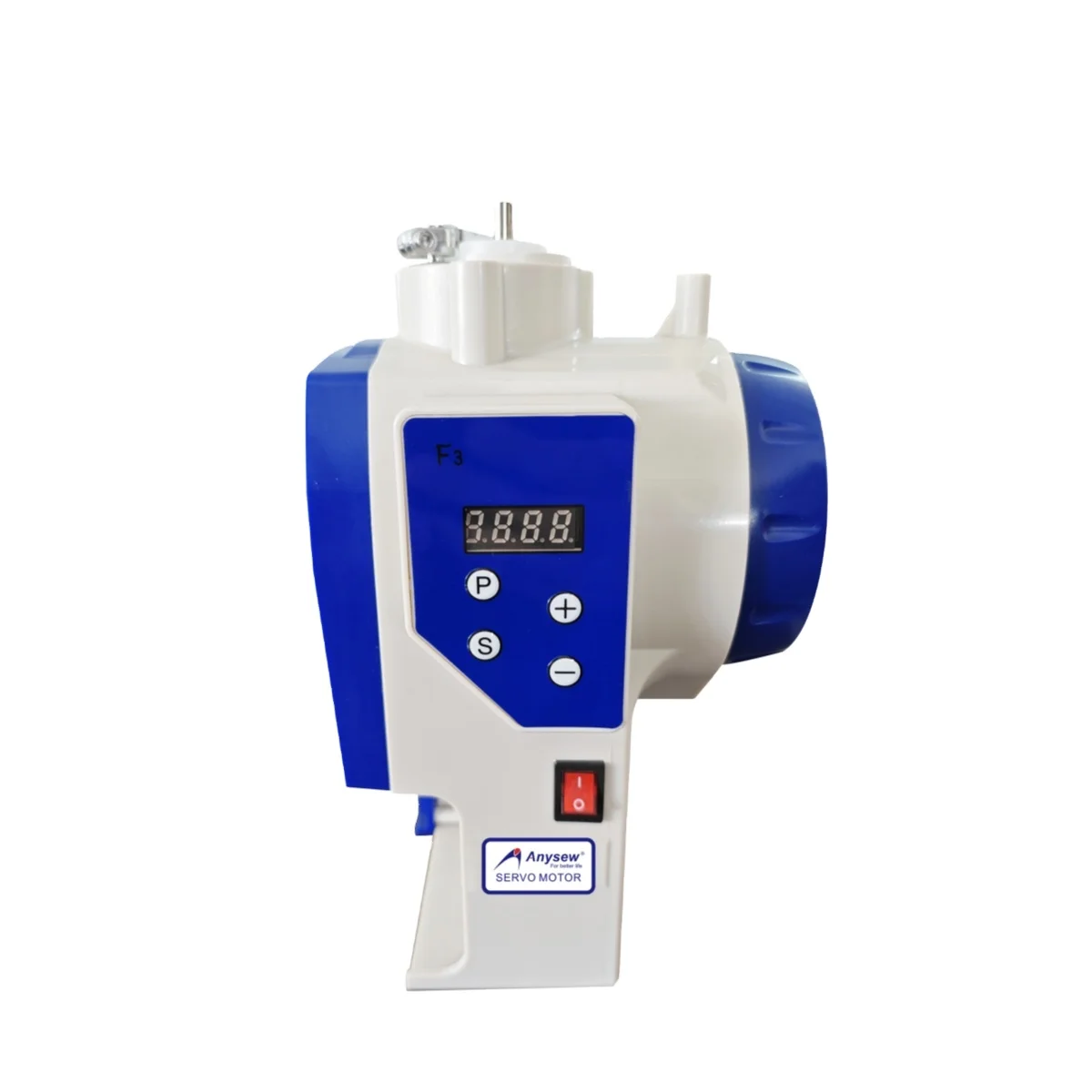
Neglecting servo motor maintenance can lead to performance degradation, reduced accuracy, thermal issues, and unexpected equipment failure during critical production runs. This guide explores the essential maintenance practices that keep a servo motor running safely and reliably, from routine inspections to specialized care protocols that protect your investment and minimize operational risk.
Routine Inspection and Cleaning Protocols
Visual Inspection and Contamination Prevention
Regular visual inspection is the foundation of any servo motor maintenance strategy. A servo motor must be kept free from dust, moisture, and debris that can interfere with electrical connections, cooling pathways, and internal components. During routine checks, examine the encoder connector, feedback cables, and motor housing for signs of corrosion, loose fittings, or physical damage. A servo motor in a manufacturing or sewing machine environment is particularly vulnerable to lint accumulation, which can obstruct ventilation slots and trap heat around the windings.
Cleaning a servo motor requires care and precision. Use compressed air at moderate pressure to remove loose dust and particles from external surfaces and cooling fins. Never use liquids or high-pressure water spray directly on motor components, as moisture intrusion can cause electrical faults inside a servo motor. Pay special attention to connector pins and interfaces where a servo motor plugs into drive electronics, as corrosion in these areas disrupts signal transmission and causes erratic motion or failure to start.
Temperature Monitoring and Thermal Management
A servo motor generates heat during operation, and excessive temperatures indicate underlying problems or inadequate cooling. Monitor motor surface temperature using an infrared thermometer during normal operation cycles. Most servo motor specifications include a maximum winding temperature, typically in the range of 130–155°C, depending on insulation class. If a servo motor runs consistently hotter than its rated thermal limit, check for blocked ventilation, excessive ambient temperature, or overloaded duty cycles that exceed rated torque and speed ratings.
Proper thermal management extends servo motor lifespan significantly. Ensure adequate airflow around the motor housing and verify that cooling fans or natural convection pathways remain unobstructed. If your facility is dusty or operates in high-temperature environments, consider supplemental cooling measures or more frequent cleaning schedules. A servo motor thermal runaway event—where temperature rises uncontrollably—can trigger permanent insulation degradation and catastrophic failure, making proactive temperature monitoring a critical maintenance responsibility.
Electrical System and Connector Care
Cable Inspection and Grounding Verification
The power and control cables connecting a servo motor to its drive and controller are prone to wear, vibration damage, and insulation degradation. Perform monthly visual checks of all cables associated with a servo motor, looking for cuts, crushed areas, exposed conductors, or hardened insulation. Flexing cables—particularly those near moving machine parts—should be inspected more frequently because mechanical stress accelerates insulation failure. A servo motor cable fault can introduce intermittent errors that corrupt motion accuracy or damage the drive electronics through ground loops and unexpected current paths.
Grounding integrity is essential for servo motor reliability and noise immunity. Verify that the motor mounting is mechanically secure and electrically bonded to the machine frame or control enclosure ground. A poorly grounded servo motor susceptibility increases to electrical noise from adjacent high-power equipment, leading to encoder signal corruption and unpredictable positioning errors. Check that all connector shields and drain wires are properly terminated according to the servo motor manufacturer's wiring diagrams and control system specifications.
Encoder and Feedback System Maintenance
A servo motor relies on an integrated or external encoder to provide position feedback to the controller. This feedback mechanism must operate with precision, or the servo motor cannot maintain accurate speed and position control. Examine encoder connectors and cables regularly for moisture, corrosion, or loose pins. If a servo motor exhibits position drift, oscillation, or failure to hold commanded positions, encoder contamination or mechanical misalignment is often the root cause. Clean encoder lens elements gently using a soft, lint-free cloth and appropriate optical cleaner if the servo motor design permits access.
Mechanical alignment of a servo motor encoder is equally critical. Even small shifts in encoder disk position relative to the optical or magnetic read head will degrade signal quality and introduce errors. During reassembly or after relocation of equipment containing a servo motor, verify encoder air gaps and alignment using the manufacturer's setup procedures. A servo motor encoder can also accumulate static charge in dry environments, which causes intermittent signal loss; ensure proper grounding of encoder shields and use grounded work practices during any maintenance activity involving a servo motor feedback system.
Bearing and Mechanical Component Preservation
Lubrication and Bearing Health
Bearings in a servo motor support the rotating shaft while minimizing friction and wear. Unlike continuous-duty industrial motors, a servo motor often operates under intermittent or variable load patterns, which can affect optimal lubrication film formation. Check the servo motor specifications for bearing type, lubrication requirements, and relubrication intervals. Some servo motor designs use sealed, prelubricated bearings that require no maintenance beyond operational monitoring; others may need periodic grease injection according to manufacturer schedules.
Incorrect lubrication is a common cause of premature servo motor failure. Over-greasing increases friction and heat generation, which shortens bearing life and can overheat motor windings. Under-lubrication leads to metal-to-metal contact, rapid wear, and eventual seizure of the servo motor shaft. When relubrication is required, use only the grease type and quantity specified in the servo motor technical documentation. Apply grease only to designated access points; never attempt to lubricate sealed bearings by forcing grease through connector ports, as this damages seals and contaminates the servo motor interior.
Shaft Alignment and Coupling Inspection
Misalignment between a servo motor output shaft and the load mechanism creates radial and axial forces that accelerate bearing wear and reduce positioning accuracy. Perform annual shaft alignment checks using precision measurement tools or laser alignment equipment, especially after any equipment relocation or major maintenance activity. A servo motor coupled to a load through a flexible coupling must have the coupling properly centered and secured; any slippage or wobble will cause loss of position feedback and erratic motion control.
Inspect mechanical connections, fasteners, and coupling hardware for looseness or corrosion. A servo motor vibration signature often changes noticeably when mechanical components loosen or wear. Compare current vibration levels to baseline measurements established during initial commissioning; increasing vibration trend typically signals bearing degradation or misalignment developing in the servo motor mechanical assembly. Address mechanical issues promptly, as they propagate quickly and can lead to catastrophic failure if left unattended.
Preventive Maintenance Schedule and Documentation
Establishing a Maintenance Calendar
Implementing a preventive maintenance schedule maximizes servo motor reliability and productivity. Develop a calendar that includes daily visual checks, weekly connector inspections, monthly thermal monitoring, quarterly deep cleaning sessions, and annual comprehensive servo motor system audits. Adjust maintenance frequency based on environmental factors—dusty industrial settings require more frequent cleaning than climate-controlled facilities, for example. A servo motor in food processing or textile production machinery typically needs tighter maintenance intervals due to exposure to moisture, lint, and chemical residues.
Record Keeping and Trend Analysis
Document every servo motor maintenance activity, including inspection dates, observed conditions, parts replaced, and any performance changes noted by operators. Temperature readings, vibration measurements, and encoder alignment checks create a historical record that reveals emerging problems before they cause failure. servo motor performance trends plotted over months or years show whether your maintenance protocol is effective or whether additional interventions are needed. Proper record-keeping also supports warranty claims, validates maintenance ROI, and provides objective data for equipment replacement decisions.
FAQ
How often should I perform maintenance on a servo motor?
A servo motor benefits from daily visual inspections, weekly connector checks, monthly thermal monitoring, and quarterly deep cleaning. The exact servo motor maintenance interval depends on your operating environment, duty cycle intensity, and manufacturer recommendations. Harsh environments with dust, moisture, or vibration may require more frequent servo motor maintenance attention.
What are the signs that a servo motor needs maintenance?
Warning signs include rising operating temperature, increased vibration or noise, positioning errors or oscillation, slower response to commands, visible corrosion on connectors, and intermittent operation. If a servo motor exhibits any of these symptoms, stop operation and perform a thorough inspection of electrical connections, encoder alignment, bearing condition, and shaft coupling fit before resuming use.
Can I clean a servo motor with water or high-pressure air?
Never use high-pressure water or steam on a servo motor, as moisture can damage windings and electronics. Low-pressure compressed air is acceptable for removing dust and loose debris from external surfaces, but avoid directing air directly at connectors, encoder optics, or ventilation ports. Always use dry, oil-free compressed air and maintain safe pressure levels to prevent component damage during servo motor cleaning.