
 EN
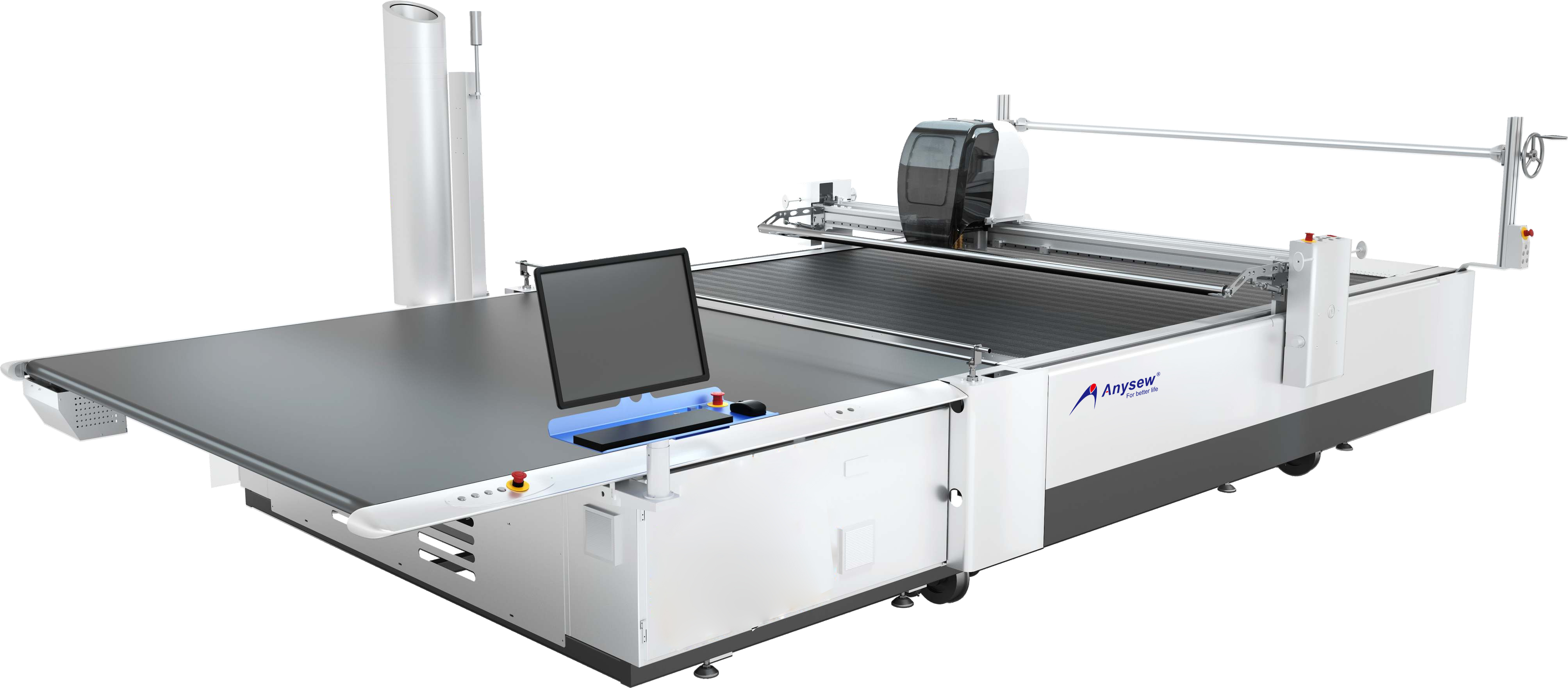
Upgrading to an automatic machine represents a significant capital investment for manufacturing facilities, and understanding the realistic return on investment is essential for making an informed decision. When evaluating whether an automatic machine upgrade aligns with your operational goals, quantifying potential ROI helps justify the expense to stakeholders and ensures the decision supports long-term profitability. The actual automatic machine ROI depends on multiple factors including current production volumes, labor costs, material efficiency gains, and the specific industrial application driving the upgrade.
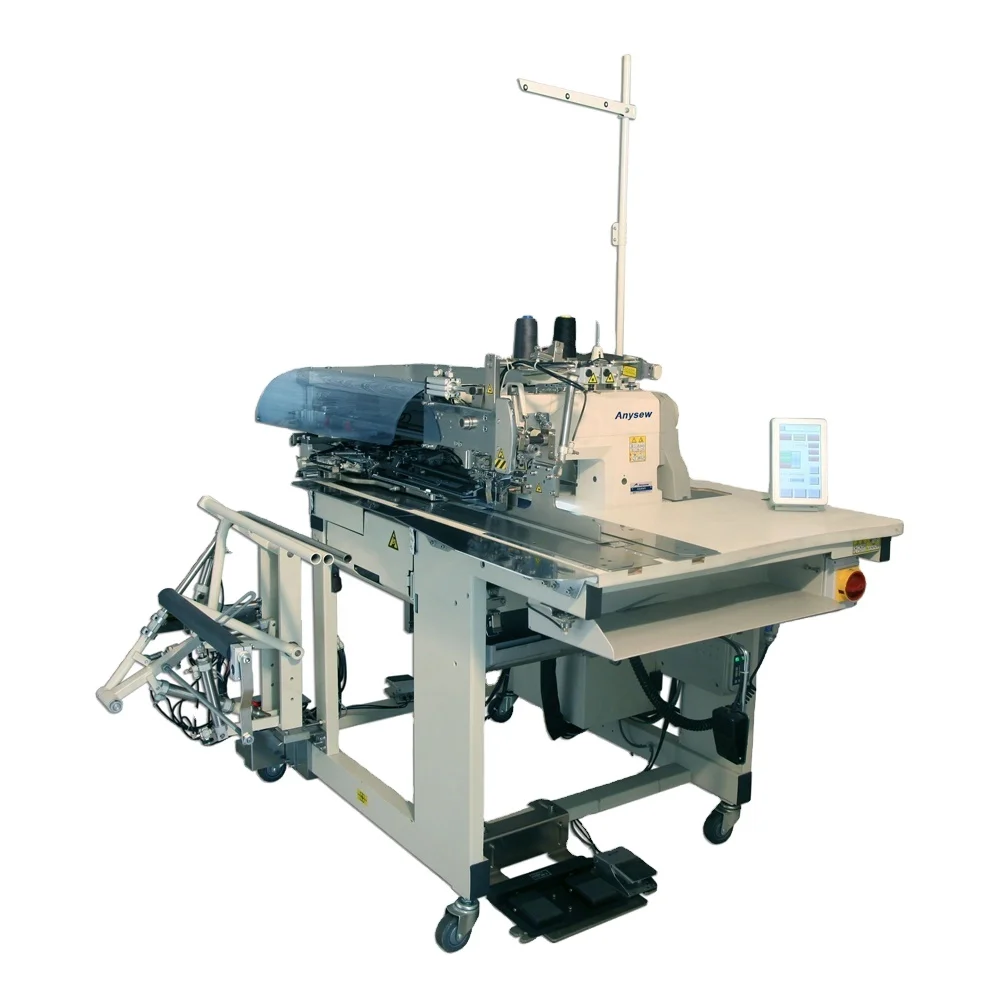
Manufacturing organizations across the textile, apparel, and industrial sectors increasingly rely on automatic machine technology to remain competitive. An automatic machine upgrade typically addresses labor constraints, reduces production costs, improves product consistency, and accelerates throughput. Understanding the financial mechanics behind these improvements allows decision-makers to calculate payback periods, annual savings, and cumulative value generation specific to their facility's unique operational context.
Quantifying Direct Labor and Productivity Savings
Labor Cost Reduction Through Automation
The most measurable benefit of an automatic machine investment stems from direct labor reduction. When manual processes transition to an automatic machine workflow, one operator can oversee multiple units simultaneously or accomplish significantly more output in the same time window. In textile manufacturing, for instance, transitioning from manual pocket welting to an automatic machine setup can reduce the labor requirement by 60 to 75 percent per unit produced, translating directly into payroll savings and reduced overtime expenses.
To calculate this component of your automatic machine ROI, multiply the hourly labor cost by the number of hours eliminated annually. If your facility currently employs three operators for a manual process at twenty-five dollars per hour working 2,000 hours annually, that represents a 150,000-dollar annual labor cost. An automatic machine capable of performing the same output with one operator reduces this to fifty thousand dollars, yielding one hundred thousand dollars in annual savings before considering equipment depreciation or maintenance costs.
Throughput and Capacity Expansion
Beyond eliminating headcount, an automatic machine typically increases production capacity and consistency. A well-specified automatic machine operates at faster cycle times than manual alternatives and maintains uniform quality throughout extended production runs. This throughput improvement translates into additional revenue generation when demand exists to absorb increased production volume, fundamentally changing the ROI equation from cost-reduction-only to cost-reduction-plus-revenue-growth.
Facilities operating near capacity constraints benefit substantially from automatic machine upgrades. If your current operation produces one thousand units monthly and market demand exists for fifteen hundred units, an automatic machine capable of reaching that volume generates incremental margin on five hundred additional units monthly. At typical gross margins in industrial manufacturing, this incremental revenue significantly accelerates ROI achievement compared to labor savings alone.
Material Efficiency and Quality-Related Financial Gains
Waste Reduction and Material Recovery
Implementing an automatic machine typically reduces material waste and scrap rates compared to manual processes. Machine precision eliminates human error in cutting, positioning, and joining operations, reducing the percentage of defective units that require rework or discarding. In fabric-based manufacturing, waste reduction of even 2 to 3 percent per production run accumulates into substantial savings when calculated across monthly or annual production volumes.
Calculate material savings by determining your current scrap percentage and applying a realistic improvement factor based on automatic machine technology specifications. If your current operation produces materials worth five hundred thousand dollars annually with a 5 percent scrap rate, you lose twenty-five thousand dollars monthly to waste. An automatic machine reducing scrap to 2 percent saves fifteen thousand dollars monthly or one hundred eighty thousand dollars annually, providing significant automatic machine ROI offset against equipment costs.
Quality Consistency and Customer Retention
Beyond direct material savings, improved consistency from an automatic machine strengthens customer relationships and reduces warranty claims or returns. Customers paying premium prices for industrial goods expect uniform quality; an automatic machine delivers this reliability and reduces the operational burden of managing quality exceptions. This quality benefit, though harder to quantify than labor savings, prevents customer churn and supports premium pricing that elevates margins on every unit sold.
Some facilities experience reduced rework labor when an automatic machine produces first-pass quality rates exceeding 98 percent consistently. Rework represents hidden cost in most operations; eliminating 50 percent of rework labor through higher automatic machine precision yields payroll savings that don't always appear in formal cost accounting but directly impact profitability and cash flow.
Implementation Timelines and Payback Period Expectations
Typical Payback Periods and Timeline Considerations
Industrial facilities typically experience automatic machine payback periods ranging from eighteen to thirty-six months under realistic scenarios, with highly optimized implementations sometimes achieving payback within twelve to eighteen months. Payback period depends directly on the ratio between annual benefit (labor savings plus material efficiency plus revenue gains) and the equipment investment amount. An automatic machine costing fifty thousand dollars generating fifty thousand dollars in annual benefit achieves breakeven in twelve months, while higher-cost equipment or lower-productivity-gain scenarios extend payback proportionally.
Timeline also depends on ramp-up efficiency and operator training quality. Most facilities experience productivity ramping over the first three to six months of automatic machine operation as operators master the workflow and identify optimization opportunities. Conservative ROI calculations assume six-month production ramp at 50 to 70 percent capacity, reaching full production capacity by month nine, allowing payback calculations that account for this realistic deployment timeline rather than assuming immediate full productivity.
Post-Payback Profitability and Long-Term Value
After achieving payback, an automatic machine continues generating annual benefit throughout its serviceable life, typically ten to fifteen years depending on maintenance and technology evolution. A facility that achieves automatic machine payback at month twenty-four enters a period where the equipment generates pure operating benefit with no additional investment required beyond routine maintenance. Over a ten-year equipment life, cumulative benefit from one automatic machine installation can total five hundred thousand to one million dollars depending on production volume and efficiency gains.
Financial analysis of automatic machine upgrades should incorporate this long-term value perspective. Rather than viewing the equipment cost as an isolated expense, treating the automatic machine as a strategic asset that generates sustained competitive advantage and profitability demonstrates the true business case. Many facilities initially hesitant about automatic machine investment discover that conservative estimates significantly underestimated actual benefits once implementation and operational experience provided real data.
FAQ
What factors most significantly influence automatic machine ROI outcomes?
The most impactful factors affecting automatic machine ROI include current labor costs in your geographic market, existing production volume and capacity utilization rates, the specific industrial application where the automatic machine operates, material costs and waste rates in your current process, and the equipment purchase price versus operational performance specifications. Facilities with high labor costs, significant scrap rates, or strong market demand for increased volume typically achieve stronger automatic machine ROI than those lacking these conditions.
How should I validate automatic machine ROI projections before committing to investment?
Request production demonstration or trial periods with prospective automatic machine suppliers to validate cycle time claims and quality improvements with your specific material and product specifications. Develop conservative financial models incorporating realistic ramp-up timelines, maintenance costs, and potential operational adjustments rather than assuming immediate perfect execution. Consult with existing users of the same automatic machine model in similar industrial applications to gather empirical ROI data from comparable operations already experiencing real-world results.
Can automatic machine upgrades deliver ROI in low-volume production environments?
Lower-volume operations typically experience longer automatic machine payback periods because labor savings and throughput gains distribute across fewer total units produced annually. However, even modest-volume facilities can achieve positive ROI through quality improvements, reduced scrap rates, and operator efficiency gains if current manual processes are labor-intensive or generate excessive waste. Evaluating automatic machine suitability requires analyzing your specific production mix rather than making volume-based assumptions; some high-complexity, low-volume products generate strong automatic machine ROI through quality and consistency improvements alone.