
 EN
EN
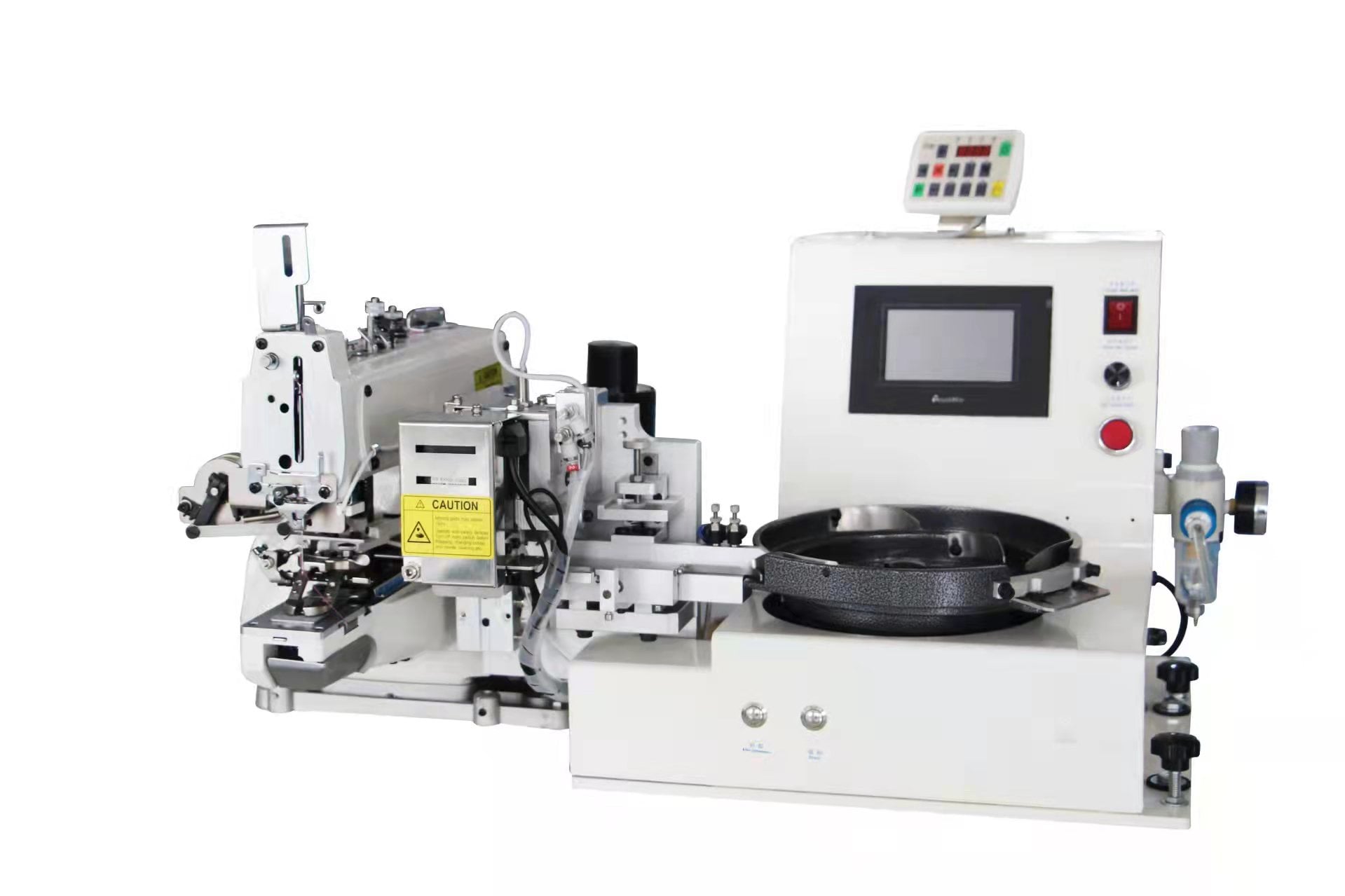
In the fast-paced garment manufacturing industry, efficiency and precision are the cornerstones of profitability. A reliable button machine stands as one of the most critical investments a garment factory can make to remain competitive and maintain consistent quality across production runs. Whether producing shirts, coats, uniforms, or specialty apparel, every factory faces the challenge of attaching buttons quickly, securely, and uniformly to thousands of garments daily. Without a dependable button machine, factories risk production delays, quality inconsistencies, and escalating labor costs that directly impact their bottom line.
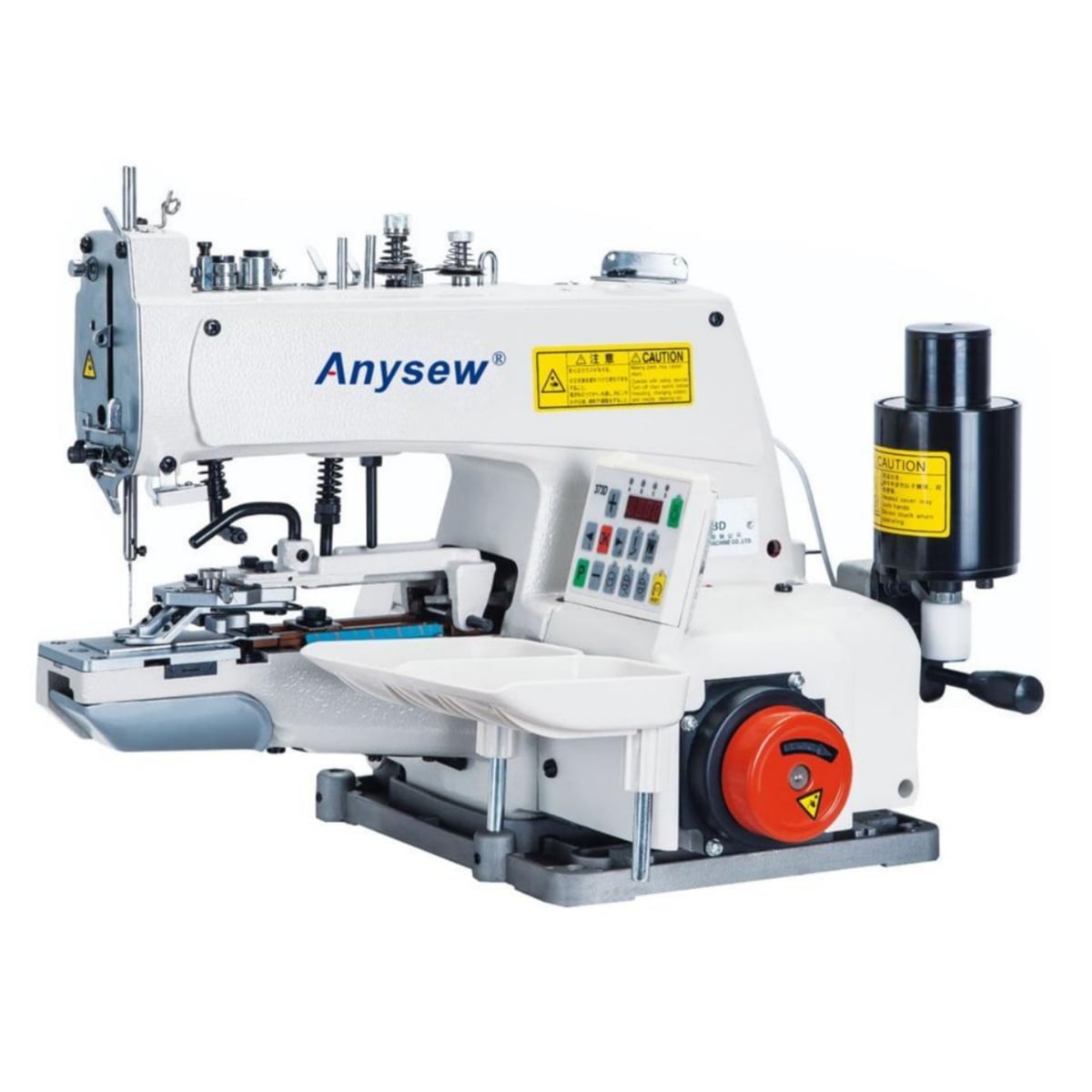
The modern button machine has evolved far beyond manual fastening techniques, offering factories automated solutions that integrate seamlessly into production lines. A quality button machine delivers consistent stitch patterns, reduces fabric damage, and minimizes operator error—all of which translate into higher-grade finished products and improved customer satisfaction. For factory managers and production supervisors, understanding why a reliable button machine is indispensable helps justify the investment and optimize garment quality standards.
Productivity Gains and Labor Cost Reduction
Accelerating Production Throughput
Manual button attachment is extraordinarily time-consuming and demands skilled operators to maintain quality standards. A modern button machine can attach buttons at a rate of dozens per minute, far exceeding what manual labor can achieve consistently. Factories that integrate a reliable button machine into their workflow report production increases of 300 to 500 percent compared to hand-sewing operations. This acceleration means that a single button machine can replace the output of multiple manual workers, allowing factories to allocate labor resources toward other critical production stages where human skill adds the most value.
Reducing Operator Fatigue and Error Rates
Manual button sewing causes significant operator fatigue, leading to inconsistent stitching, misaligned button placement, and higher defect rates as the workday progresses. A button machine eliminates this human variability by executing the same precise stitch pattern thousands of times without degradation. The reduction in worker fatigue also lowers workplace injuries related to repetitive strain, improving overall factory safety records. When factories deploy a dependable button machine, quality remains constant whether it is the first garment of the morning or the last piece before shift end.
Quality Consistency and Brand Reputation
Uniform Button Attachment Standards
Retail brands and end consumers expect uniform button placement, consistent stitch length, and secure attachment across every garment in a production batch. A reliable button machine guarantees this uniformity by following pre-programmed specifications for stitch count, button hole alignment, and securing knots. This consistency is especially critical for bulk orders where customers conduct random quality inspections and reject entire shipments if defect rates exceed agreed thresholds. Factories using a button machine maintain tighter quality controls, reduce return rates, and build stronger relationships with brand partners who rely on predictable quality output.
Minimizing Defects and Customer Complaints
Loose buttons, uneven stitching, and button thread breakage represent the most common post-purchase complaints in garment retail. A high-quality button machine prevents these issues by using optimal thread tension, proper needle sizing, and mechanical precision that human operators struggle to maintain hour after hour. When end consumers receive garments with securely attached, perfectly aligned buttons, their satisfaction increases and repeat purchases follow. For factories, this translates into fewer warranty claims, reduced reputational damage, and opportunities to command premium pricing from quality-conscious brands.
Operational Reliability and Long-Term ROI
Uptime Dependability in High-Volume Production
A reliable button machine is engineered to withstand the demands of continuous operation in industrial garment settings. Heavy-duty construction, precision engineering, and robust maintenance protocols ensure that a button machine keeps running even during extended production shifts. Unlike manual labor, which cannot sustain output during breaks or shift changes, a button machine provides consistent capacity and predictable throughput. Factories can schedule production runs with confidence, knowing that a dependable button machine will complete assigned quantities on schedule without unexpected downtime.
Long-Term Financial Performance
While the initial capital investment in a button machine may seem substantial, the return on investment materializes quickly through labor savings, reduced defect costs, and increased production capacity. A factory that eliminates even three full-time manual button operators and reduces defect-related losses by 50 percent recovers the equipment cost within 12 to 18 months. After that payback period, every additional month of operation generates pure profit through continued efficiency gains. Over the five to ten-year operational life of a well-maintained button machine, the cumulative financial benefit far exceeds the initial purchase price.
Scalability and Competitive Positioning
Meeting Growing Order Volumes Without Hiring Delays
As garment factories receive larger orders or attract new brand customers, the ability to scale production quickly becomes a competitive advantage. A reliable button machine allows factories to increase output without proportionally increasing headcount or facing hiring bottlenecks that delay fulfillment. This scalability enables factories to bid confidently on large contracts and fulfill rush orders that manual-only shops cannot handle. When a factory has invested in a button machine, management can commit to aggressive timelines and meet customer demands reliably.
Differentiating in a Competitive Market
Garment manufacturing is highly competitive, with factories globally bidding for the same brand partnerships and contracts. Factories that operate with a reliable button machine offer faster turnaround times, superior consistency, and lower per-unit production costs compared to competitors relying on manual attachment. This operational excellence allows factories to attract quality-focused brands, negotiate better pricing terms, and build long-term partnerships that secure steady revenue. In contrast, factories without modern button machine capability face constant pressure to cut costs further, often sacrificing quality and worker welfare.
FAQ
What makes a button machine reliable compared to other equipment?
A reliable button machine combines precision engineering, durable components, and consistent performance across millions of attachment cycles. Reliability depends on factors such as stitch pattern accuracy, minimal thread breakage, automatic needle positioning, and resistance to wear from continuous operation. Factories should choose a button machine from manufacturers with proven track records, strong warranties, and responsive service support. Quality engineering in a button machine ensures it performs identically today as it will in five years, making it a trustworthy production asset.
How does a button machine improve worker safety in garment factories?
A button machine reduces repetitive strain injuries by eliminating the manual hand-sewing tasks that cause carpal tunnel syndrome, tendonitis, and shoulder pain among operators. The automation provided by a button machine allows workers to focus on material handling and quality inspection rather than hours of monotonous stitching. This shift to higher-level tasks improves job satisfaction and reduces workplace injury rates significantly. Factories that invest in a button machine demonstrate commitment to worker health and comply more easily with occupational safety regulations.
Can a button machine handle different button sizes and fabric types?
Modern button machine models offer adjustable settings for button hole sizes, stitch patterns, and thread types, allowing operators to quickly configure the equipment for different production requirements. A versatile button machine can handle plastic buttons, metal buttons, and specialty fasteners across various fabric weights from lightweight cotton to heavy denim and leather. Setup changes typically require only a few minutes, enabling factories to switch between different product styles without significant downtime. This flexibility makes a button machine a valuable asset for factories producing diverse garment collections.