
 EN
EN
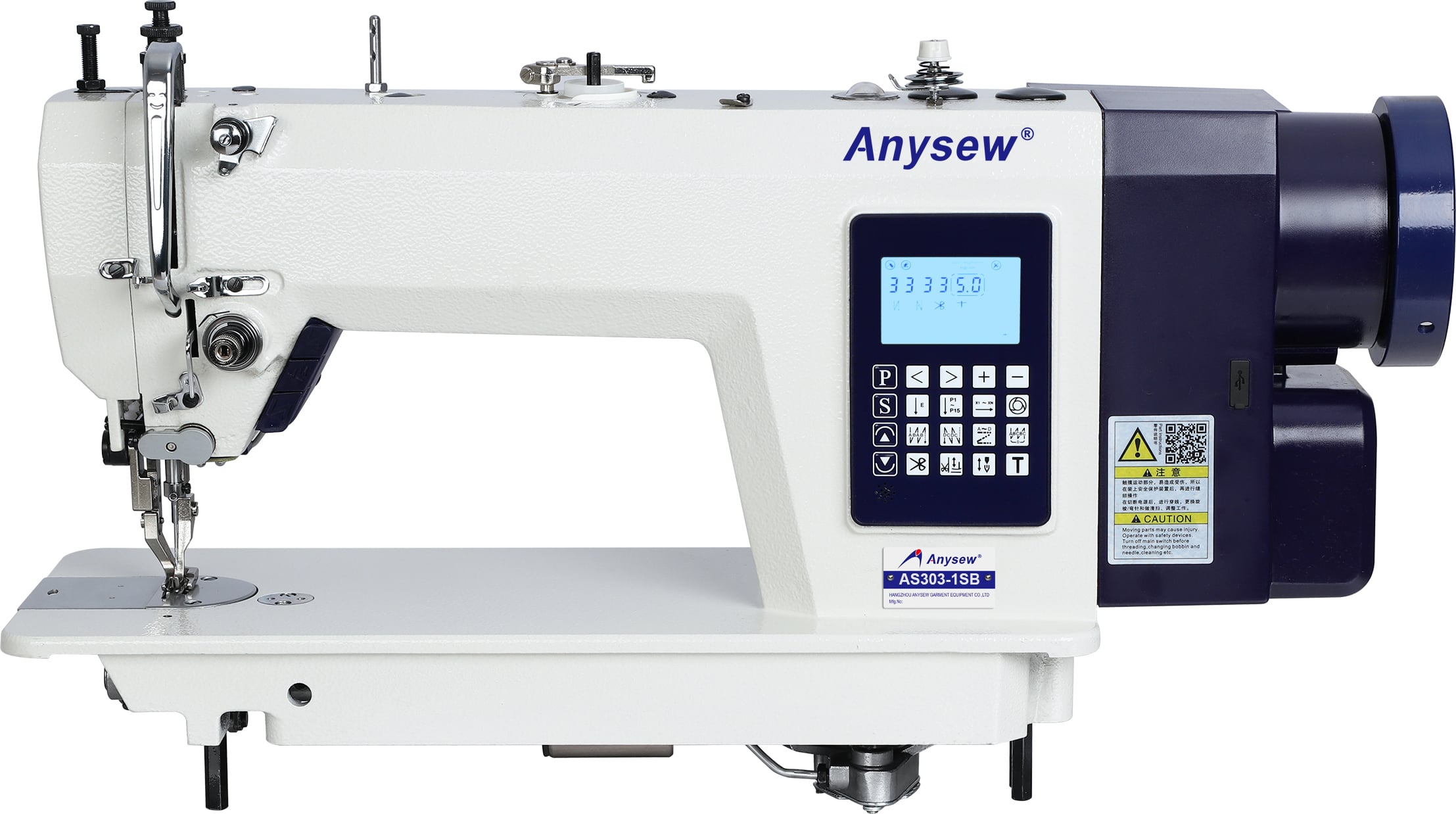
The history of sewing machines spans nearly two centuries of innovation and refinement. What began as a manual labor-intensive process has transformed into a sophisticated technological landscape where sewing machines combine precision engineering with digital intelligence. Understanding how sewing machines have evolved helps manufacturers, tailors, and industrial operators appreciate the capabilities available today and make informed decisions about equipment investments.
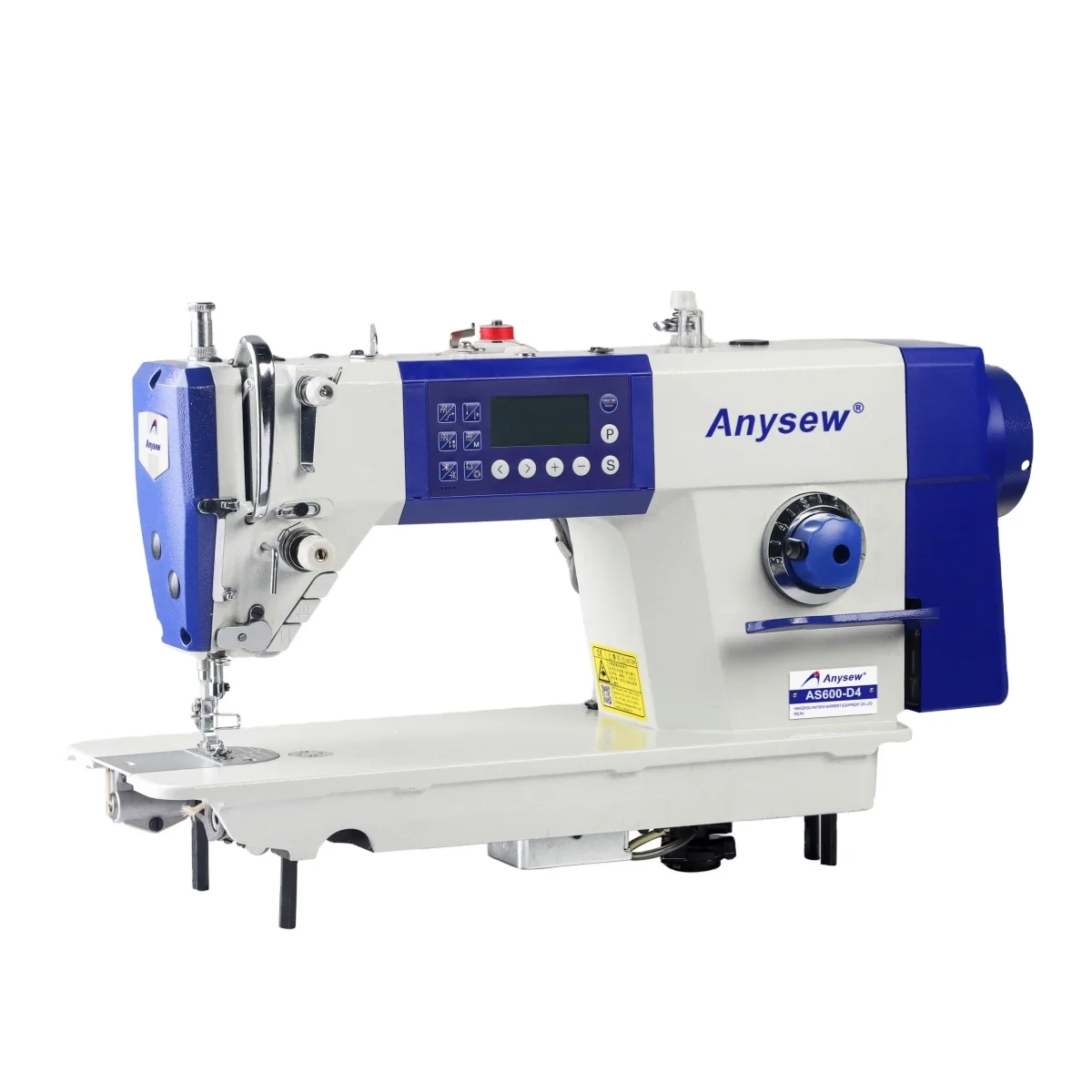
Modern sewing machines represent the culmination of countless design improvements and technological breakthroughs. From the earliest needle mechanisms to today's automatic threading systems, sewing machines have continuously evolved to meet changing production demands. This progression reflects broader industrial trends toward automation, precision, and efficiency while maintaining the fundamental purpose of joining fabric through repeated stitching patterns.
The Early Mechanical Era of Sewing Machines
Manual and Treadle-Powered Development
The earliest functional sewing machines of the 1800s required entirely manual operation. Operators had to physically manipulate the needle and feed mechanisms while simultaneously managing fabric positioning. Treadle-powered sewing machines emerged as a significant advancement, allowing operators to use foot power to drive the needle mechanism while keeping both hands free for fabric control. These sewing machines dominated textile and garment production throughout the nineteenth century, establishing the basic stitch formation principles still used today.
Mechanical innovation during this era focused on creating reliable needle movements and consistent stitch quality. Early sewing machines experimented with various needle designs, feed mechanisms, and tension systems. Threading these early sewing machines required considerable skill and patience, and breakdowns were frequent. Despite their limitations, mechanical sewing machines revolutionized production speed compared to hand-stitching and enabled the growth of industrial textile manufacturing.
The Industrial Motor Integration
The introduction of electric motors transformed sewing machines during the early twentieth century. Electric-powered sewing machines eliminated the physical effort required for treadle operation, allowing operators to focus entirely on fabric guidance and stitch quality. Industrial sewing machines powered by electric motors increased production speeds dramatically while reducing operator fatigue. This shift enabled factories to establish assembly-line garment production, making clothing more affordable and accessible to consumers worldwide.
Motor-driven sewing machines incorporated stronger frame designs and more robust internal mechanisms to handle higher speeds. Manufacturers refined stitch formation quality, developed variable speed controls, and created specialized sewing machines for different fabric types and production applications. The mechanical reliability of electric sewing machines improved steadily throughout the mid-twentieth century as precision manufacturing techniques advanced.
The Digital Transition and Computerized Sewing Machines
Computer Control Systems and Automation
The advent of computerized sewing machines marked a fundamental shift in textile production capabilities. Computer-controlled sewing machines introduced programmable stitch patterns, automatic pattern sequencing, and digital precision adjustments that mechanical systems could never achieve. These advanced sewing machines enabled manufacturers to produce complex embroidery designs, intricate buttonholes, and consistent decorative stitching with minimal manual intervention. Computerized sewing machines transformed small-batch production and custom garment manufacturing by storing pattern information digitally and executing perfect repetitions automatically.
Modern computerized sewing machines feature touchscreen interfaces, programmable memory storage, and integrated sensors that monitor stitch quality in real time. Automatic needle threading, thread trimming functions, and tension correction systems are now standard features in contemporary sewing machines. These technological enhancements reduce setup time, decrease thread waste, and minimize the learning curve for operators transitioning from older sewing machine models. The reliability and consistency of computerized sewing machines have made them essential for quality-focused manufacturers worldwide.
Multi-Function and Specialty Capabilities
Today's sewing machines often combine multiple textile operations in single machines, reflecting the industry's drive toward production efficiency. Specialized sewing machines now handle buttonhole creation, elastic application, binding attachment, and decorative embroidery within integrated workflows. Industrial sewing machines designed for specific applications—such as heavy-duty leather work, precise silk handling, or high-speed buttonhole production—represent the refined specialization enabled by computerized design and control systems.
Advanced sewing machines incorporate features that would have seemed impossible in earlier decades. Automatic pattern detection adjusts stitch parameters for different fabric weights, thread types, and material compositions. Networked sewing machines can download updated patterns and design files directly, enabling rapid production changeovers. These capabilities demonstrate how thoroughly computerized technology has revolutionized sewing machines from simple mechanical devices into precision manufacturing systems.
Modern Applications and Future Directions
Industrial Production Standards
Contemporary industrial sewing machines operate within tightly controlled specifications that ensure consistent quality across thousands of units. Precision engineering in modern sewing machines delivers stitch uniformity, tension stability, and speed reliability that define professional manufacturing standards. Heavy-industrial sewing machines for footwear, automotive textile, and outdoor gear production incorporate reinforced components and extended duty cycles designed for 24/7 operation. The evolution of sewing machines has enabled manufacturers to meet global quality expectations while managing production costs effectively.
Factory settings worldwide now rely on networked sewing machines that report performance metrics and maintenance alerts to centralized monitoring systems. Predictive maintenance capabilities in modern sewing machines help operators anticipate component wear before failures disrupt production schedules. Software updates continuously improve the algorithms and performance characteristics of computerized sewing machines, extending equipment lifespan and maintaining competitive capabilities without requiring complete machine replacement.
Customization and Consumer Access
The evolution of sewing machines has not limited benefits to industrial operations alone. Home and small-business sewing machines now incorporate features previously available only on expensive industrial equipment. Consumer-grade computerized sewing machines offer embroidery capabilities, diverse stitch libraries, and user-friendly programming interfaces that enable creative projects previously requiring professional workshops. The democratization of advanced sewing machine technology reflects how innovation eventually reaches broader market segments through cost reduction and design refinement.
Contemporary artisan producers and small manufacturers leverage affordable computerized sewing machines to create custom garments, personalized textiles, and specialized products. This accessibility has sparked renewed interest in sewing as both a hobby and entrepreneurial activity. The range of available sewing machines—from budget-conscious models to premium industrial systems—ensures that operators at every skill level and production volume can access technology appropriate to their specific requirements. This diversity represents the successful maturation of sewing machine technology across the entire market spectrum.
FAQ
What was the most significant breakthrough in sewing machine evolution?
The introduction of computerized control systems represents the most transformative advancement in sewing machines. This breakthrough enabled automation of complex patterns, real-time quality monitoring, and integration of multiple textile operations that fundamentally changed production efficiency and precision capabilities. Electric motor integration was equally revolutionary for its era, eliminating manual labor and establishing industrial-scale garment production.
How have sewing machines improved operator safety and comfort?
Modern sewing machines incorporate ergonomic design features that reduce operator strain and fatigue during extended work sessions. Automatic functions in contemporary sewing machines eliminate repetitive manual adjustments that previously caused repetitive strain injuries. Electric and computerized sewing machines remove physical effort requirements, allowing operators to maintain focus on fabric quality and positioning rather than powering the mechanism themselves. Enhanced visibility, adjustable seating integration, and intuitive controls in modern sewing machines prioritize worker well-being alongside production efficiency.
What future developments should manufacturers expect in sewing machine technology?
Artificial intelligence integration promises to enhance sewing machines with adaptive algorithms that optimize stitch quality based on real-time fabric analysis. Internet connectivity will enable predictive maintenance and remote troubleshooting capabilities in next-generation sewing machines. Sustainability improvements including reduced thread waste, energy efficiency optimization, and modular component design will address environmental concerns in textile manufacturing. The continued evolution of sewing machines toward smart, connected, and sustainable systems reflects the industry's commitment to meeting future production demands while maintaining quality and operational reliability.