
 EN
EN
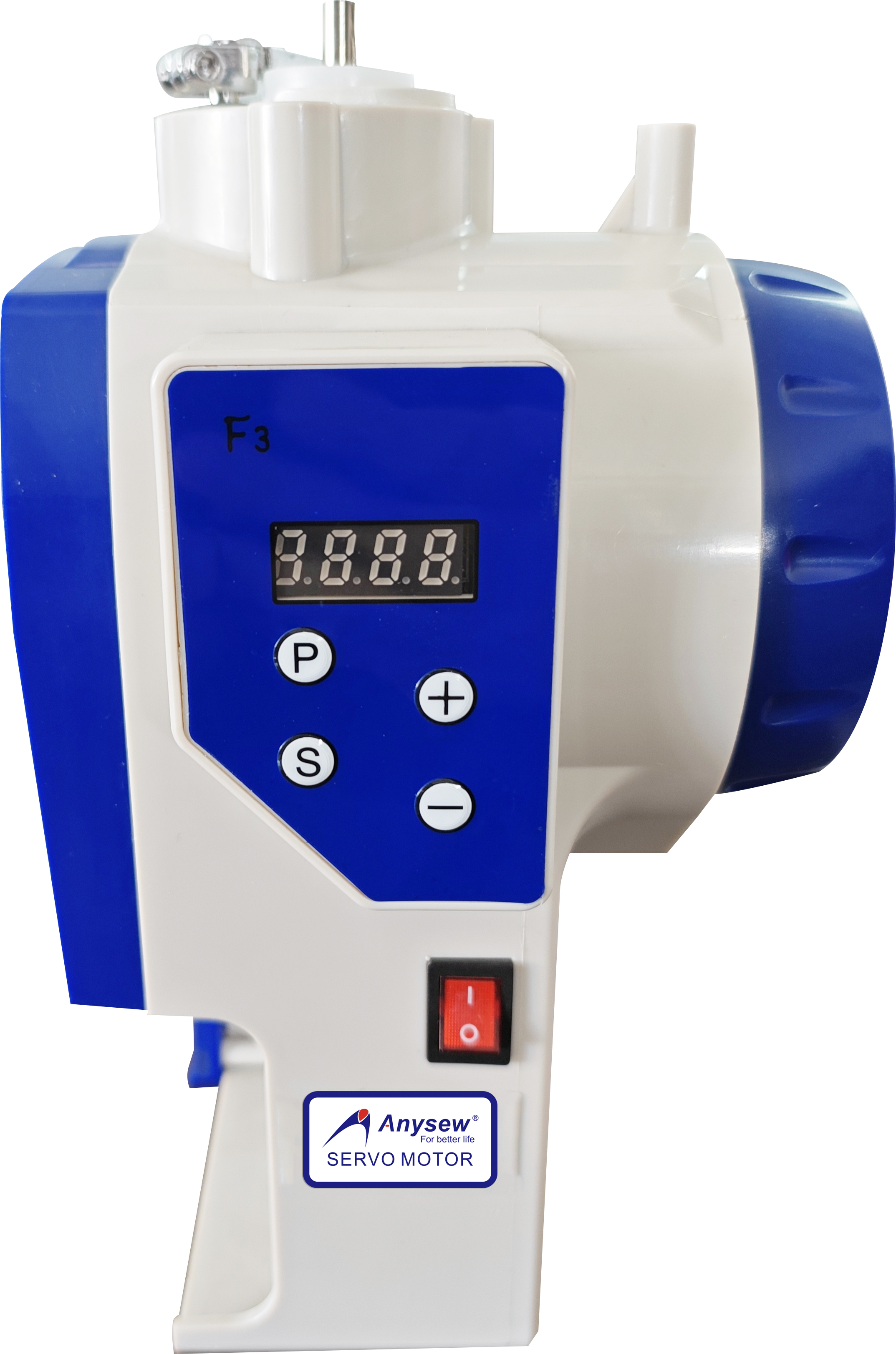
Industrial production lines face constant pressure to reduce operational costs while maintaining output quality. One of the most effective ways manufacturers achieve this goal is by upgrading to servo motor technology. Unlike traditional AC motors, a servo motor delivers precision control and exceptional energy efficiency, making it a cornerstone of modern sustainable manufacturing. The transition from conventional motors to servo motor systems represents a fundamental shift in how production facilities approach power consumption and operational excellence.
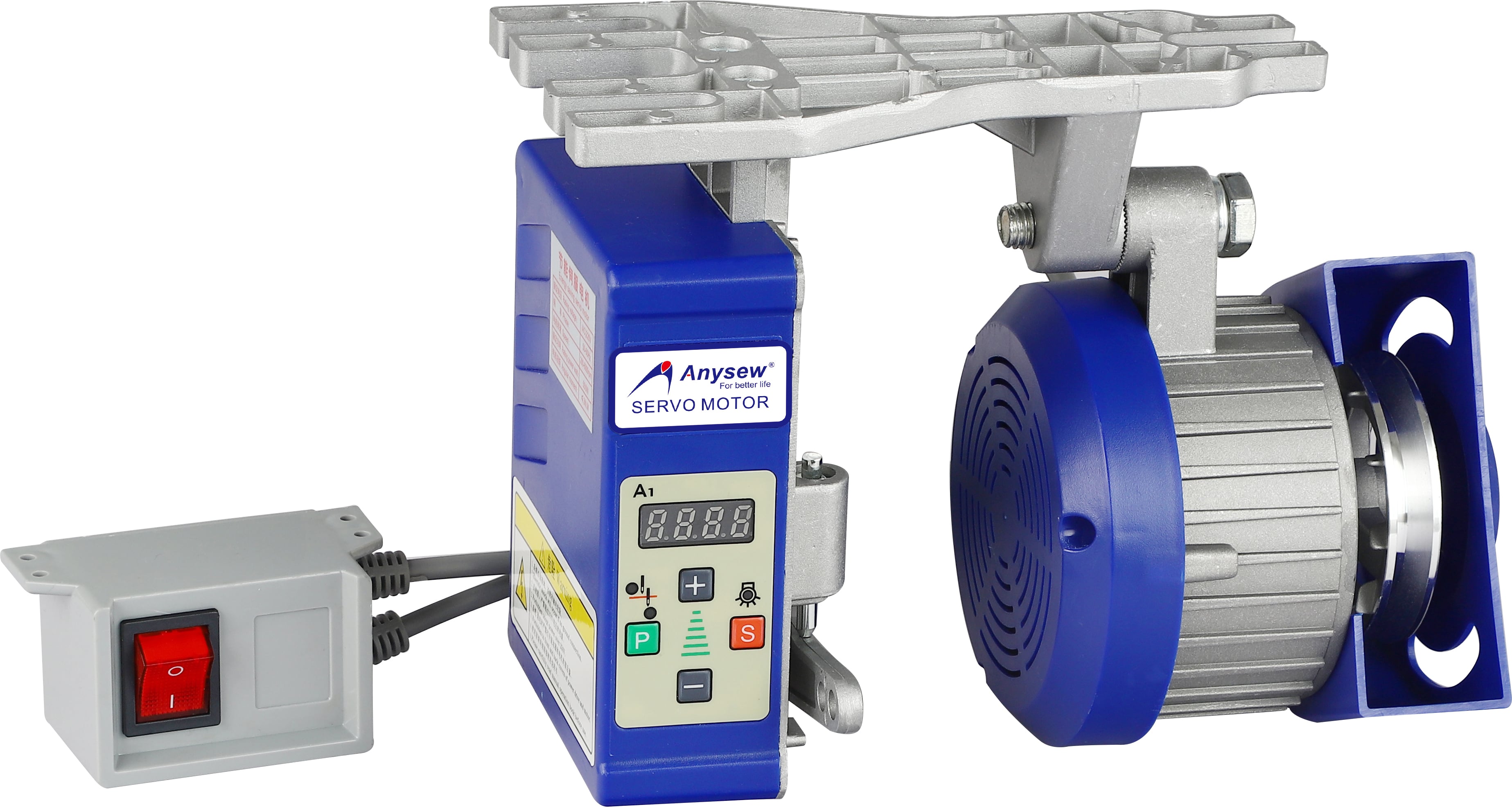
The energy-saving benefits of servo motor technology extend far beyond simple power reduction. By incorporating advanced feedback systems and intelligent motion control, a servo motor adjusts its output in real time to match actual load demands rather than running at constant full capacity. This adaptive behavior transforms how industrial lines consume electricity, leading to measurable reductions in energy bills and environmental impact across textile manufacturing, packaging, automotive assembly, and countless other sectors.
Understanding Servo Motor Energy Efficiency Principles
How Servo Motor Control Reduces Wasted Power
A servo motor fundamentally differs from traditional induction motors in its architecture and control methodology. While a conventional motor typically runs at fixed speed regardless of load, a servo motor continuously monitors actual operating conditions and adjusts torque and speed accordingly. This closed-loop feedback mechanism means the servo motor never wastes energy by delivering more power than the application requires. The motor's internal control system measures real-time feedback through encoders or resolvers, enabling millisecond-level adjustments that keep power consumption aligned with genuine production needs.
Energy waste in traditional motor systems often stems from oversizing. Manufacturers typically select conventional motors with safety margins that account for worst-case scenarios, meaning the motor runs well above required capacity for most of its operational life. A servo motor eliminates this inefficiency by dynamically matching its output to actual demand. When a production line experiences lighter loading or slower motion requirements, the servo motor automatically reduces its power draw, whereas traditional motors continue consuming full rated power regardless of the actual workload.
Precision Motion Control and Power Optimization
The precision capabilities of a servo motor directly translate into energy savings through improved process control. In textile manufacturing, for example, a servo motor enables exact speed matching between different production stages, eliminating vibration and mechanical stress that would force conventional motors to work harder. Packaging equipment benefits similarly when a servo motor maintains perfectly synchronized motion across multiple axes, reducing compensatory forces and friction losses that plague less precise systems.
This precision advantage compounds across operating hours. A servo motor delivers consistent torque profiles that minimize acceleration spikes and mechanical shock, allowing production equipment to operate smoothly without the excess energy demands that traditional motors require during transition periods. Over a single shift, these incremental efficiency gains accumulate into substantial power reductions measurable in kilowatt-hours and reflected directly on utility invoices.
Real-World Energy Savings Across Industrial Applications
Quantifiable Cost Reduction with Servo Motor Implementation
Industrial facilities implementing servo motor technology typically report energy consumption reductions ranging from 20 to 50 percent compared to conventional motor systems running equivalent processes. A servo motor driving a textile line can reduce power draw by leveraging variable speed operation that traditional fixed-speed motors cannot achieve. For a facility operating 24/7 across multiple production lines, even a 25 percent energy reduction translates to thousands of dollars in monthly savings, with payback periods often achieved within 18 to 36 months depending on operational intensity and local electricity rates.
The financial impact extends beyond direct electricity savings. When a servo motor operates more efficiently, it generates less heat, reducing cooling system demands and associated energy costs. Manufacturing facilities in warm climates or those with intensive cooling requirements experience amplified benefits, as a servo motor's thermal efficiency improvement cascades through facility-wide climate control systems.
Environmental and Compliance Benefits of Servo Motor Technology
Beyond financial metrics, a servo motor supports corporate sustainability goals and regulatory compliance. Many jurisdictions now impose carbon taxes, energy efficiency mandates, or emissions standards that make servo motor adoption strategically important. By switching to servo motor systems, manufacturers reduce their facility's carbon footprint, improve their environmental reporting credentials, and position themselves advantageously within supply chains increasingly requiring lower-emission production partners.
The servo motor technology also enables predictive maintenance through integrated diagnostic systems. Because a servo motor continuously monitors its own performance parameters, facility managers receive early warnings of developing issues before they escalate into failures. This proactive approach prevents energy waste from inefficient operation, extends equipment lifespan, and reduces unplanned downtime costs that conventional motor systems cannot offer.
Implementation Considerations for Servo Motor Adoption
System Integration and Technical Compatibility
Transitioning to a servo motor requires careful assessment of existing equipment infrastructure. A servo motor system demands compatible motor drives, feedback devices, and control software that may differ significantly from conventional motor setups. Forward-thinking manufacturers evaluate whether existing control architectures can accommodate servo motor integration or whether updated equipment is necessary. The investment in a servo motor and its supporting infrastructure must be weighed against energy savings and operational improvements expected over the equipment's lifecycle.
Technical implementation of a servo motor involves collaborating with experienced system integrators who understand both the servo motor's capabilities and the specific production process requirements. A servo motor performs optimally when properly configured for the application's speed range, torque profile, and duty cycle. Undersizing a servo motor compromises performance, while oversizing unnecessarily increases capital costs and negates some energy advantages that make servo motor adoption attractive.
Maintenance and Operational Best Practices
A servo motor requires different maintenance approaches than conventional motors, focusing on encoder cleanliness, feedback connector integrity, and control parameter optimization rather than traditional motor bearing lubrication alone. Facility teams must receive training on servo motor operation to maximize energy efficiency benefits and prevent configuration changes that degrade performance. When properly maintained and optimized, a servo motor delivers consistent energy savings year after year with minimal degradation in efficiency.
Operators should regularly review servo motor performance data to ensure the system operates within design specifications. If a servo motor's energy consumption begins trending upward, it signals potential calibration drift or mechanical issues requiring corrective action. This proactive monitoring ensures the servo motor continues delivering the energy-saving benefits that justified its initial investment.
FAQ
How much energy does a servo motor actually save compared to traditional motors?
A servo motor typically reduces energy consumption by 20 to 50 percent depending on the specific application and operational profile. In processes where variable speed operation and precise load matching provide significant advantages, a servo motor approaches the higher end of this range. The exact energy savings depend on factors including duty cycle characteristics, traditional motor sizing practice at your facility, and how well the servo motor's capabilities align with actual production requirements. Facilities should conduct application-specific energy audits comparing their current conventional motor system against proposed servo motor solutions to establish accurate baseline projections.
What is the payback period for investing in servo motor technology?
Most industrial facilities recover their servo motor investment within 18 to 36 months through energy cost savings alone, with additional benefits from reduced maintenance, improved product quality, and extended equipment lifespan accelerating effective payback. The timeline depends on electricity rates in your region, facility operating hours, and the number of production lines upgraded simultaneously. A servo motor installed on a continuously operated production line in a region with high electricity rates achieves faster payback than the same servo motor in a region with lower power costs or intermittent operation. Including non-energy benefits typically extends total financial advantage well beyond the initial payback period, often yielding 10-plus years of favorable economics.
Can existing manufacturing equipment accommodate servo motor retrofitting?
Most manufacturing equipment can accommodate servo motor retrofitting with proper assessment and engineering. However, compatibility depends on equipment mechanical design, control system architecture, and power supply characteristics. Direct replacement of a conventional motor with an identically mounted servo motor often works for straightforward applications, while more complex systems may require updated motor drives, control software, or mechanical adjustments. Consulting with equipment manufacturers or qualified system integrators helps determine feasibility and identify any modifications necessary to achieve optimal servo motor performance in your specific installation.