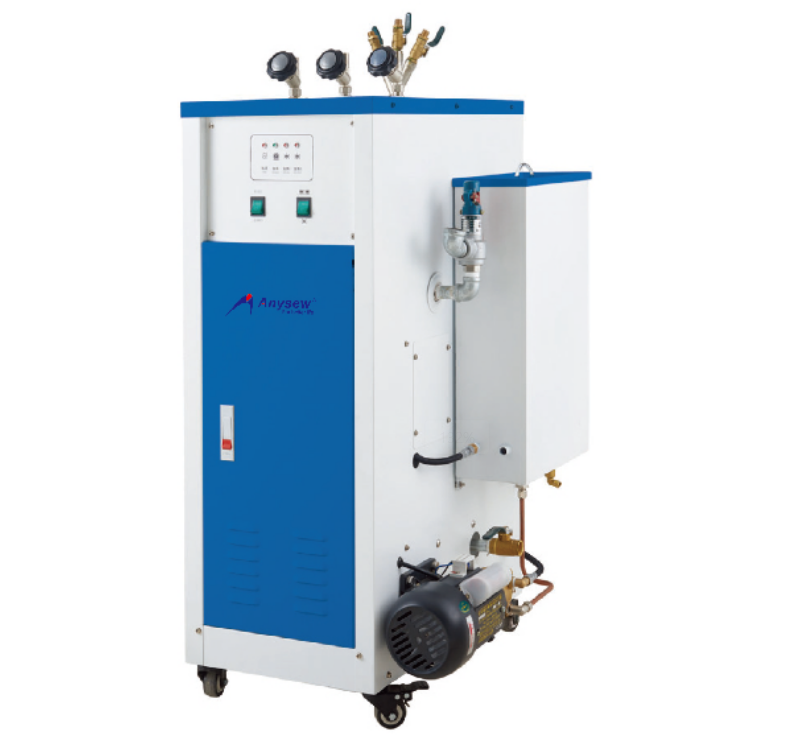
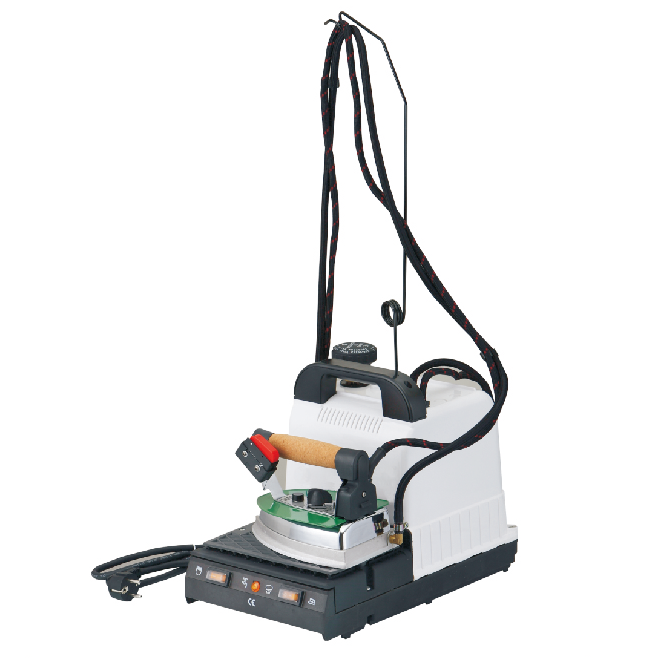
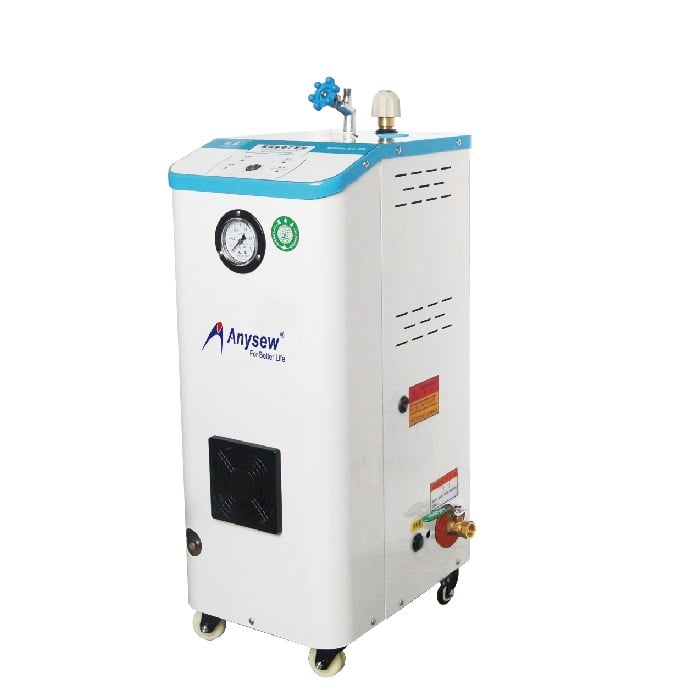
steam heat boiler
A steam heat boiler is an essential heating system that generates steam by heating water to its boiling point, distributing thermal energy throughout residential, commercial, and industrial facilities. This sophisticated equipment converts water into pressurized steam, which travels through a network of pipes to radiators, heat exchangers, or process equipment, delivering consistent and reliable heat. The steam heat boiler operates through a combustion process using natural gas, oil, biomass, or electricity as fuel sources, with advanced control systems monitoring temperature, pressure, and water levels to ensure safe and efficient operation. Modern steam heat boilers incorporate cutting-edge technology including automated feedwater systems, digital controls, and energy recovery mechanisms that maximize fuel efficiency while minimizing environmental impact. These systems range from compact residential units producing low-pressure steam to large industrial boilers generating high-pressure steam for manufacturing processes. The steam heat boiler's design typically includes a pressure vessel, burner assembly, heat exchanger, safety valves, and control panel, all engineered to meet stringent safety standards and performance requirements. Applications span diverse sectors including hospitals, universities, food processing plants, textile manufacturing, chemical production, and district heating networks. The versatility of a steam heat boiler makes it adaptable to various heating demands, from space heating and domestic hot water production to sterilization and industrial process heating, establishing it as a cornerstone technology in modern heating infrastructure.

 EN