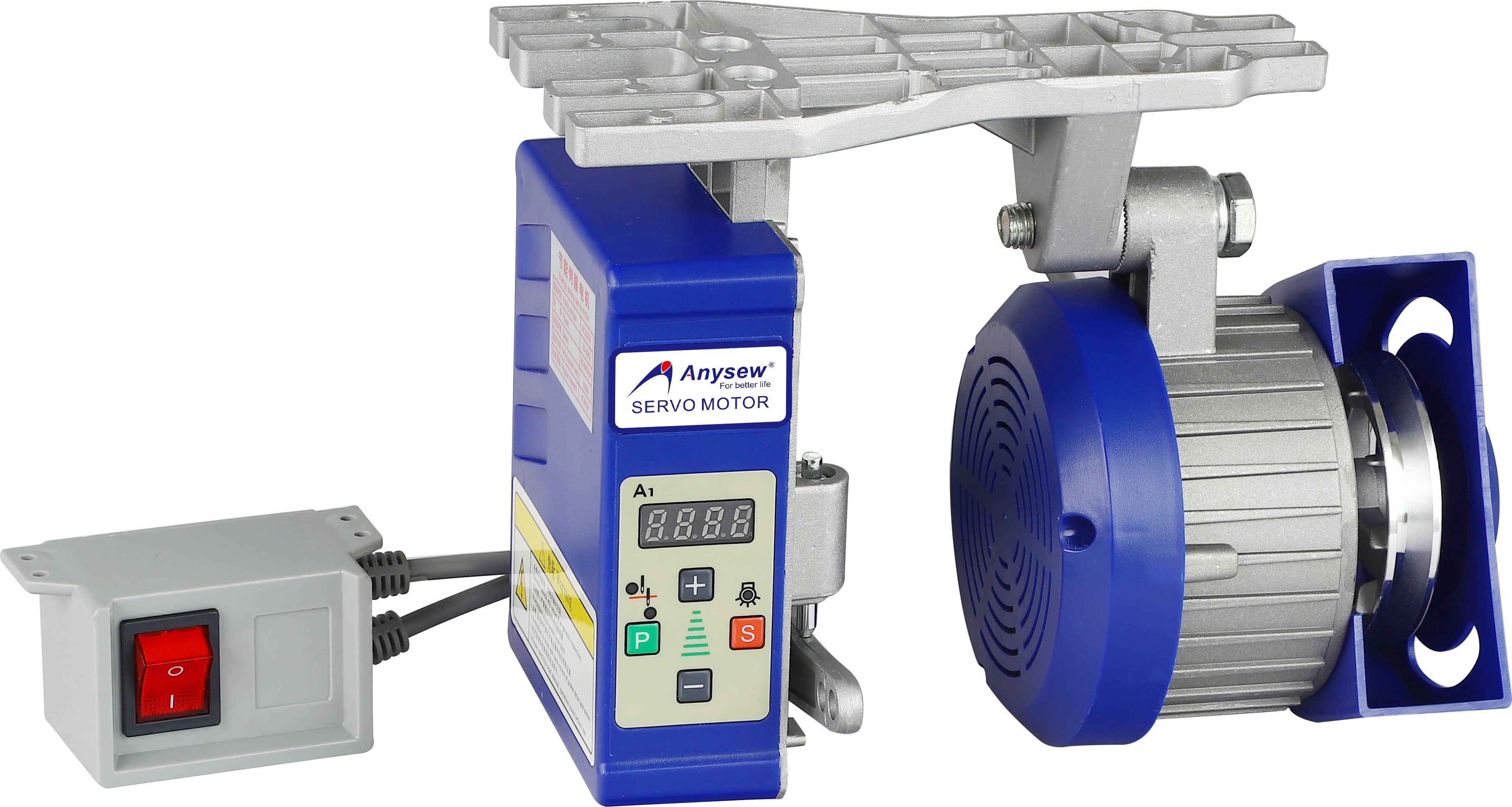
types of servo motor
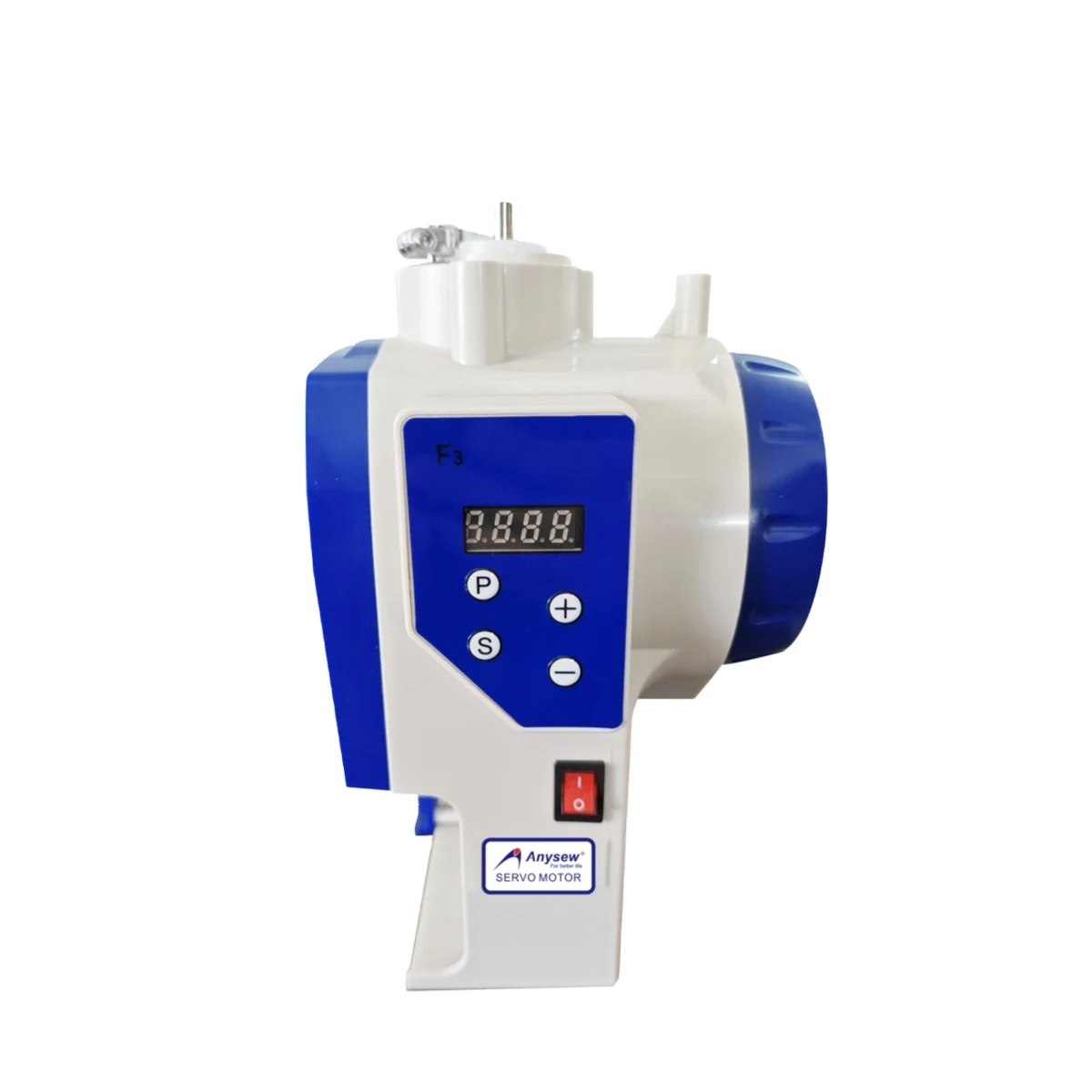
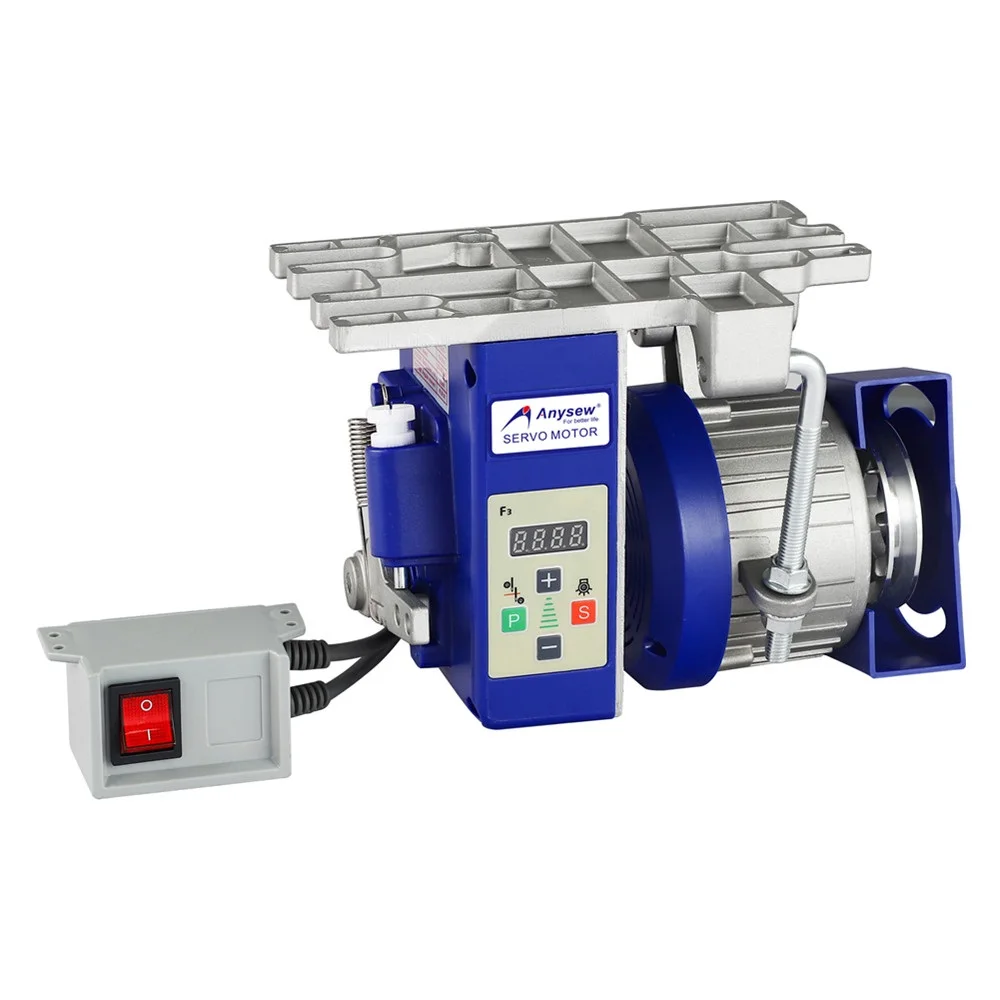
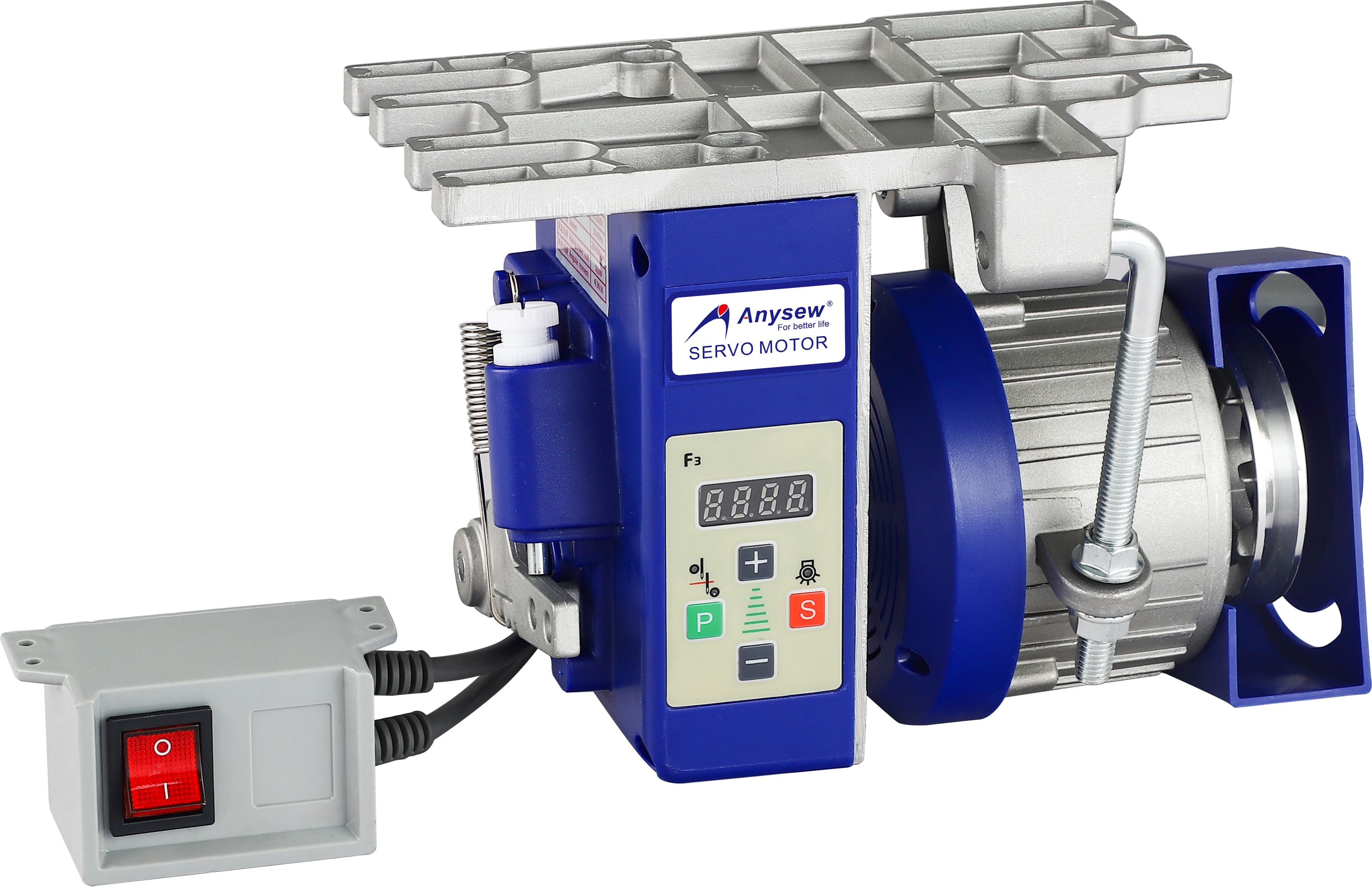
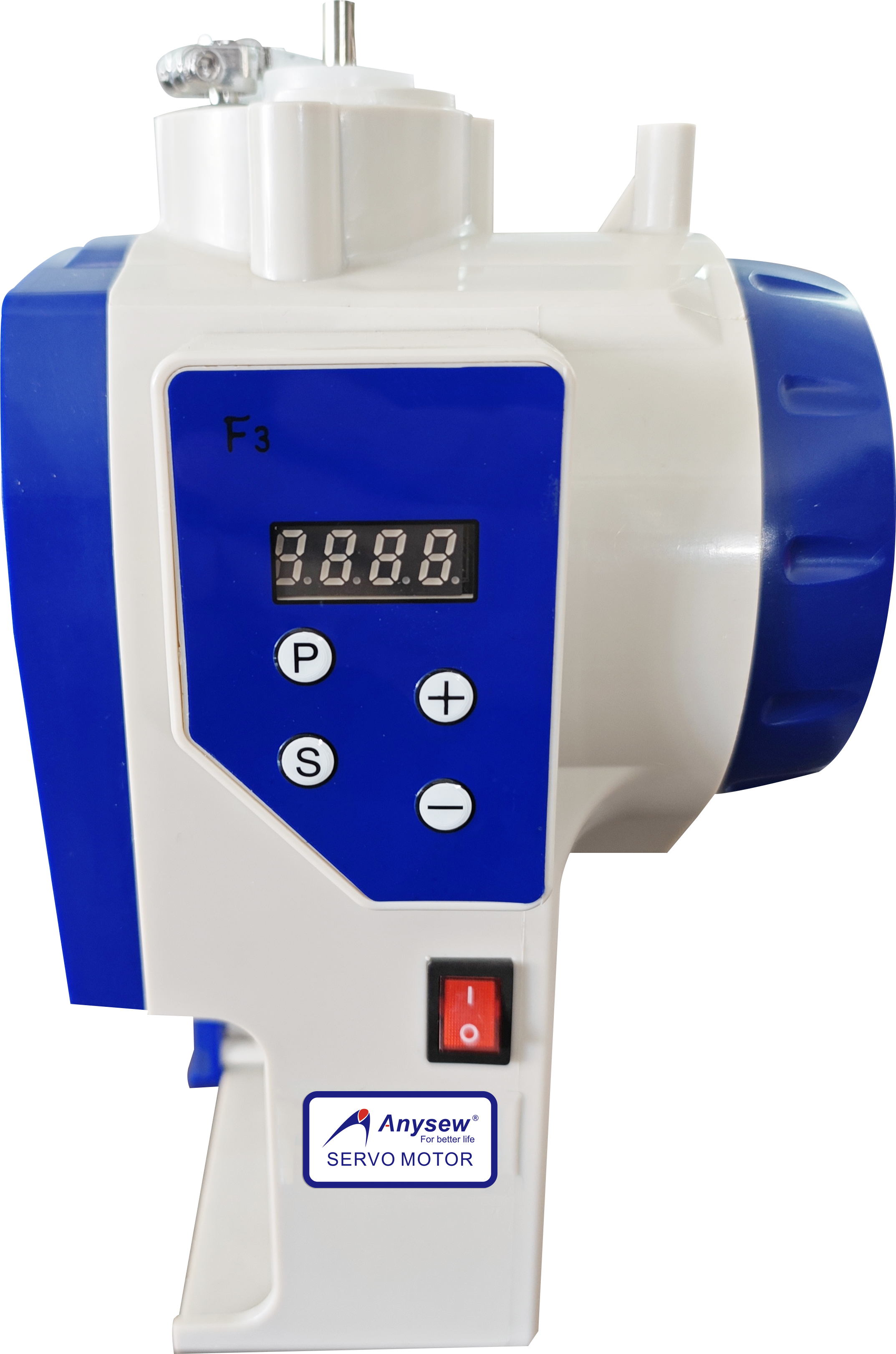
Servo motors represent a critical component in modern automation and precision control systems, with multiple types of servo motor available to meet diverse industrial requirements. Understanding the various types of servo motor helps engineers and businesses select the optimal solution for their specific applications. The primary types of servo motor include AC servo motors, DC servo motors, brushless DC servo motors, and linear servo motors, each designed with distinct operational characteristics. AC servo motors dominate industrial automation due to their high power density and maintenance-free operation, while DC servo motors offer simpler control mechanisms for less demanding applications. Brushless DC servo motors combine the benefits of both technologies, eliminating mechanical commutators for extended lifespan and reduced maintenance. Linear servo motors provide direct linear motion without mechanical conversion, ideal for high-speed positioning tasks. Each category within the types of servo motor features closed-loop control systems that continuously monitor position, velocity, and torque to ensure precise motion control. These motors integrate encoders or resolvers for feedback, enabling accurate positioning within micrometers. The technological evolution of different types of servo motor has revolutionized manufacturing, robotics, CNC machining, packaging equipment, and automated assembly lines. Modern servo systems incorporate advanced digital signal processors and sophisticated algorithms to optimize performance parameters including response time, settling time, and positioning accuracy, making them indispensable across industries requiring repeatable precision and dynamic motion control capabilities.

 EN