
 EN
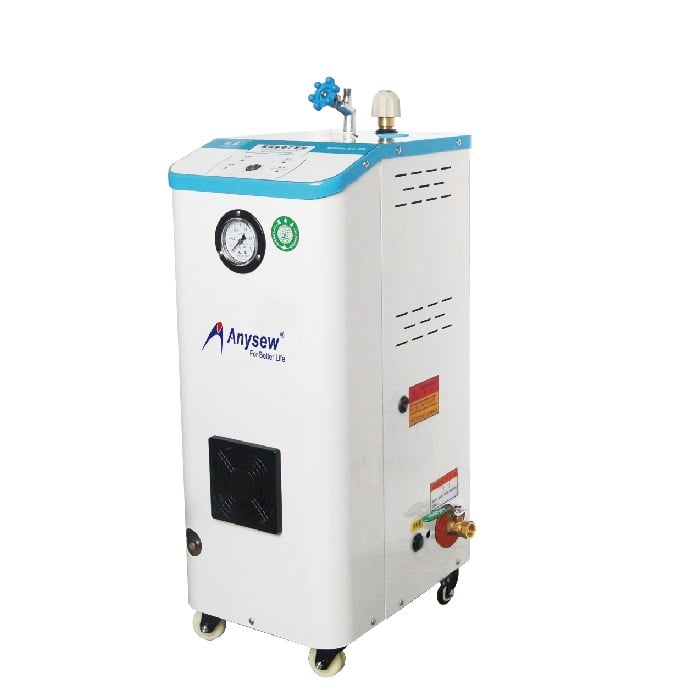
A steam boiler and a standard heater both provide heat, but they do so in different ways. A steam boiler heats water until it becomes steam, then sends that steam through a distribution system to deliver energy where a process or building needs it. A standard heater typically transfers heat directly to air, water, or a surface without creating steam as its main output.

That difference affects equipment layout, controls, maintenance, and the kind of heat an operation can use. When comparing a steam boiler with a heater, start by identifying whether the process needs steam or simply a warmer medium. A steam boiler can serve multiple connected points, while a standard heater is often selected to warm a specific space, fluid, or component.
How each system produces and delivers heat
Steam generation and distribution
A steam boiler transfers energy to water inside a pressure-containing vessel. As the water absorbs heat, it reaches its boiling point and produces steam, which flows through pipes toward radiators, heat exchangers, sterilizers, or process equipment. The steam boiler therefore combines heat generation with a network for moving thermal energy to useful locations.
At the point of use, steam releases heat as it condenses back into water. That transfer can support tasks such as product heating, cleaning, or humidification, depending on system design. A steam boiler needs suitable piping, condensate return arrangements, pressure controls, and protective devices; these are part of the system, not optional accessories that can be ignored when planning.
Direct heating without steam
A standard heater commonly warms air with an electric element or burner, or raises the temperature of water or oil circulating in a closed loop. It does not have to boil water or distribute vapor. Unlike a steam boiler, a direct heater may deliver warmth right where it is installed, which can simplify a small or localized application.
The term standard heater covers several technologies, so the comparison depends on the actual equipment. An electric unit heater, a hot-water heater, and an industrial process heater have different operating details. In each case, though, the core function is direct heat transfer rather than the steam production and distribution performed by a steam boiler.
Operational differences that matter in facilities
Controls, pressure, and system layout
A steam boiler operates within defined pressure and temperature limits. Operators monitor water level, burner or electrical input, pressure, and safety controls, while the connected network must be designed for steam service. A heater also requires controls and safeguards, but a steam boiler generally adds system-level considerations such as condensate management and pressure regulation.
This difference can shape installation planning. A facility using one steam boiler for several process areas needs distribution routes, isolation points, and a way to manage returning condensate. A standalone heater may need only a local power or fuel connection and suitable airflow or fluid connections. The right choice depends on the scale and arrangement of the heat demand.
Efficiency, maintenance, and operator needs
Neither system is automatically more efficient in every application. A steam boiler can make sense when several processes need steam or when steam fits an established production method. However, heat losses from poorly insulated pipes, leaks, or unsuitable operating pressure can reduce useful output. A direct heater may avoid distribution losses when demand is concentrated nearby.
Maintenance also differs. A steam boiler requires attention to water quality, pressure equipment, combustion components when present, and condensate equipment. A standard heater may instead need element or burner inspection, airflow checks, and cleaning. Both require maintenance suited to their design, operating hours, and manufacturer instructions; neither should be chosen on purchase price alone.
Choosing the right system for the application
Match heat delivery to process demand
Begin with the required output, not the equipment label. If production needs steam at several points, a steam boiler and properly sized distribution network may meet that demand. If the need is simply to warm one room, tank, or machine, a local heater may avoid unnecessary steam infrastructure. Document operating temperatures, load variation, usage hours, and locations before sizing.
Consider how the process responds to heat as well. Some operations benefit from steam contact or from steam condensing at a heat exchanger; others need controlled hot air or circulating liquid. A steam boiler should be selected only when steam is useful to the process, not merely because the facility already uses heating equipment. The output must match the actual production requirement.
Review integration, safety, and lifecycle needs
Check whether the site has suitable utilities, space, ventilation, drainage, and operator capacity. A steam boiler may require a dedicated boiler room, trained oversight, inspections, and a distribution system built for pressure and temperature. A heater may be easier to locate, but electrical capacity, fuel supply, exhaust, and ventilation can still impose significant installation requirements.
For garment production, a central steam boiler can supply steam to suitable finishing equipment, while a separate press applies heat and pressure at the workstation. These are distinct roles. When reviewing a steam boiler alongside a garment press, verify what each unit actually provides rather than assuming the press generates plant steam.
Compare expected service life, energy supply, maintenance access, and the cost of supporting infrastructure. A steam boiler may centralize a substantial heat load, but pipes and water treatment add responsibilities. A direct heater may suit intermittent or localized use, although multiple units can create separate service points. Assess total operating conditions and involve qualified engineering personnel before final selection.
FAQ
Can a steam boiler replace a standard heater?
Sometimes, but only if the application can use steam and the facility can support its distribution system. A steam boiler is not a direct substitute for every room or equipment heater. Compare the required heat medium, capacity, controls, installation needs, and safety obligations before deciding.
Does a steam boiler always serve several machines?
No. A steam boiler can supply one process or multiple points, depending on its design and connected equipment. The number of users does not define the technology; steam generation does. Distribution length, demand timing, and pressure requirements determine whether a shared system is practical.
Which option suits a localized heating task?
A local heater is often simpler when one space or component needs heat and steam is not required. A steam boiler may still be appropriate if the task specifically depends on steam or connects to an existing steam network. Base the decision on process needs, not on a general assumption that one system is better.