Parts of the Industrial Sewing Machine Guide

All Categories

parts of the industrial sewing machine

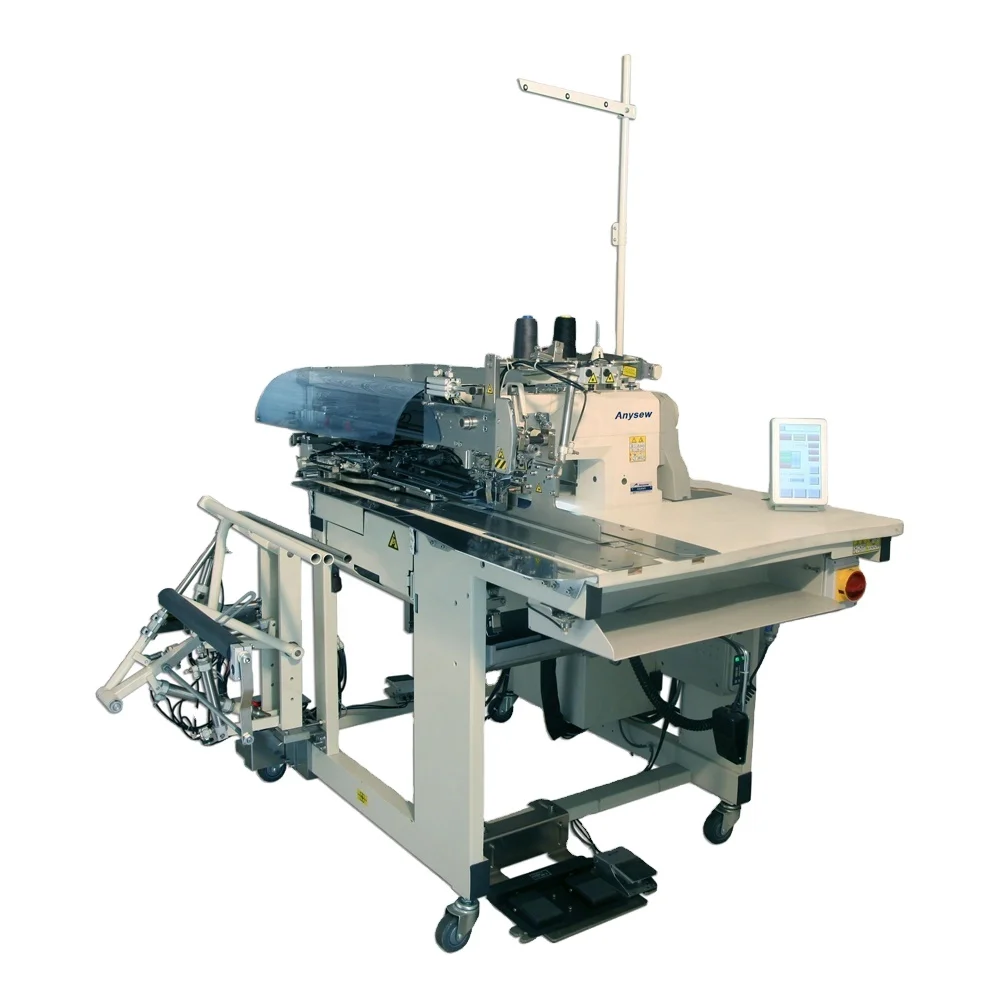
Understanding the parts of the industrial sewing machine is essential for manufacturers, garment factories, and textile professionals seeking optimal production performance. Industrial sewing machines consist of multiple precision-engineered components that work together to deliver consistent, high-speed stitching for commercial applications. The primary parts of the industrial sewing machine include the needle bar, presser foot, feed dog mechanism, bobbin case, thread tension assembly, motor unit, and control panel. Each component plays a critical role in fabric handling, stitch formation, and operational efficiency. The needle bar drives the needle through fabric layers at rapid speeds, while the presser foot maintains fabric stability during stitching. The feed dog mechanism advances material precisely between stitches, ensuring uniform seam quality. The bobbin case holds lower thread and works synchronously with the needle thread to create lockstitches. Thread tension assemblies regulate upper and lower thread tension for balanced stitch formation. Modern parts of the industrial sewing machine incorporate advanced materials like hardened steel, precision bearings, and wear-resistant alloys to withstand continuous operation in demanding production environments. These machines serve diverse applications including apparel manufacturing, upholstery production, leather goods fabrication, automotive interior assembly, and technical textile processing. Understanding how each component functions enables operators to maintain equipment properly, troubleshoot issues efficiently, and maximize production output while minimizing downtime and operational costs.

Popular Products

The parts of the industrial sewing machine deliver significant operational advantages that directly impact your bottom line and production capabilities. First, these components are engineered for exceptional durability, allowing your equipment to operate continuously for extended shifts without performance degradation. This reliability translates to fewer production interruptions and lower maintenance costs over the machine's lifespan. The precision manufacturing of each part ensures consistent stitch quality across thousands of garments, reducing defect rates and material waste. You benefit from faster production speeds as the synchronized parts of the industrial sewing machine enable stitching rates that far exceed domestic models, often reaching 5000 stitches per minute or more. This speed advantage means you can fulfill larger orders within tighter deadlines, improving customer satisfaction and enabling business growth. The modular design of these components simplifies maintenance and part replacement, minimizing downtime when service is required. Replacement parts are readily available from manufacturers and suppliers, ensuring you can quickly restore equipment to full operation. Energy efficiency is another practical benefit, as modern industrial machine parts incorporate optimized motor systems that deliver powerful performance while controlling electricity consumption. The versatility of these components allows you to handle diverse fabric types from delicate silks to heavy canvas and leather, expanding your production capabilities without investing in multiple specialized machines. Ergonomic design features in components like foot pedals and control panels reduce operator fatigue during long production runs, improving workplace safety and productivity. Investment in quality parts of the industrial sewing machine provides measurable returns through increased output, reduced operating costs, and enhanced product quality.

Latest News

Why Is Regular Replacement of Sewing Machine Parts Important

21

Oct

Why Is Regular Replacement of Sewing Machine Parts Important

Essential Maintenance for Optimal Sewing Performance The art of sewing relies heavily on the proper functioning of your machine, making regular maintenance and replacement of sewing machine parts crucial for achieving professional results. Whether yo...
View More
 How Does a Heat Press Machine Work for Printing

21

Oct

How Does a Heat Press Machine Work for Printing

Understanding the Magic Behind Heat Press Technology Heat press machines have revolutionized the custom printing industry, offering a reliable and efficient method to transfer designs onto various materials. These versatile devices combine precise te...
View More
What Maintenance Does an Embroidery Machine Require

04

Nov

What Maintenance Does an Embroidery Machine Require

Essential Care Guidelines for Your Embroidery Equipment Maintaining your embroidery machine is crucial for ensuring consistent, high-quality results and extending its operational lifespan. Whether you're running a small home-based embroidery business...
View More
What Safety Tips Apply to Household Machine Usage

03

Dec

What Safety Tips Apply to Household Machine Usage

Operating machinery in residential environments requires careful attention to safety protocols and proper handling techniques. Household machine usage has increased significantly as more homeowners invest in specialized equipment for crafting, woodwo...
View More

Get a Free Quote

Our representative will contact you soon.
Email
Name
Company Name
Message
0/1000

parts of the industrial sewing machine

Precision Feed Dog System for Consistent Fabric Control

Precision Feed Dog System for Consistent Fabric Control

The feed dog mechanism represents one of the most critical parts of the industrial sewing machine, directly influencing seam quality and production efficiency. This component consists of metal teeth that rise through the throat plate in synchronized timing with the needle, gripping fabric and advancing it precisely between each stitch. Industrial-grade feed dogs feature hardened steel construction with specifically engineered tooth patterns designed for different fabric weights and textures. The system operates through a coordinated linkage mechanism that provides both vertical and horizontal motion, ensuring smooth fabric advancement without slippage or puckering. Advanced feed dog assemblies include differential feed capabilities, allowing operators to adjust front and rear feed dog speeds independently to prevent stretching in knits or gathering in woven materials. This precision control eliminates common sewing defects and reduces material waste. The robust construction of industrial feed dogs withstands millions of cycles without wear, maintaining consistent performance throughout the machine's service life. Proper maintenance of this system involves regular cleaning to remove lint accumulation and periodic lubrication of moving components, ensuring optimal fabric handling across diverse production applications from lightweight garments to heavy industrial textiles.
Advanced Thread Tension Assembly for Perfect Stitch Formation

Advanced Thread Tension Assembly for Perfect Stitch Formation

The thread tension assembly ranks among the most sophisticated parts of the industrial sewing machine, controlling thread delivery to create balanced, professional-quality stitches. This system consists of precision tension discs, springs, and adjustment mechanisms that regulate both upper thread from the spool and lower thread from the bobbin. Proper tension balance ensures that thread interlocking occurs within the fabric layers rather than on the surface, producing strong, aesthetically pleasing seams. Industrial tension assemblies feature micro-adjustment capabilities allowing operators to fine-tune settings for different thread types, weights, and fabric characteristics. Spring-loaded tension discs maintain consistent pressure throughout production runs, compensating for variations in thread delivery speed. High-quality tension assemblies incorporate self-compensating mechanisms that automatically adjust for thread thickness variations, reducing the need for manual intervention during operation. The precision engineering of these parts of the industrial sewing machine enables consistent stitch quality across extended production runs, minimizing defects and rework costs. Ceramic or polished metal disc surfaces reduce friction and thread wear, extending thread life and reducing breakage incidents. Regular inspection and cleaning of tension assemblies prevent lint buildup that can cause uneven tension, while periodic adjustment ensures optimal performance as components experience normal wear over time.
Heavy-Duty Motor and Drive System for Maximum Productivity

Heavy-Duty Motor and Drive System for Maximum Productivity

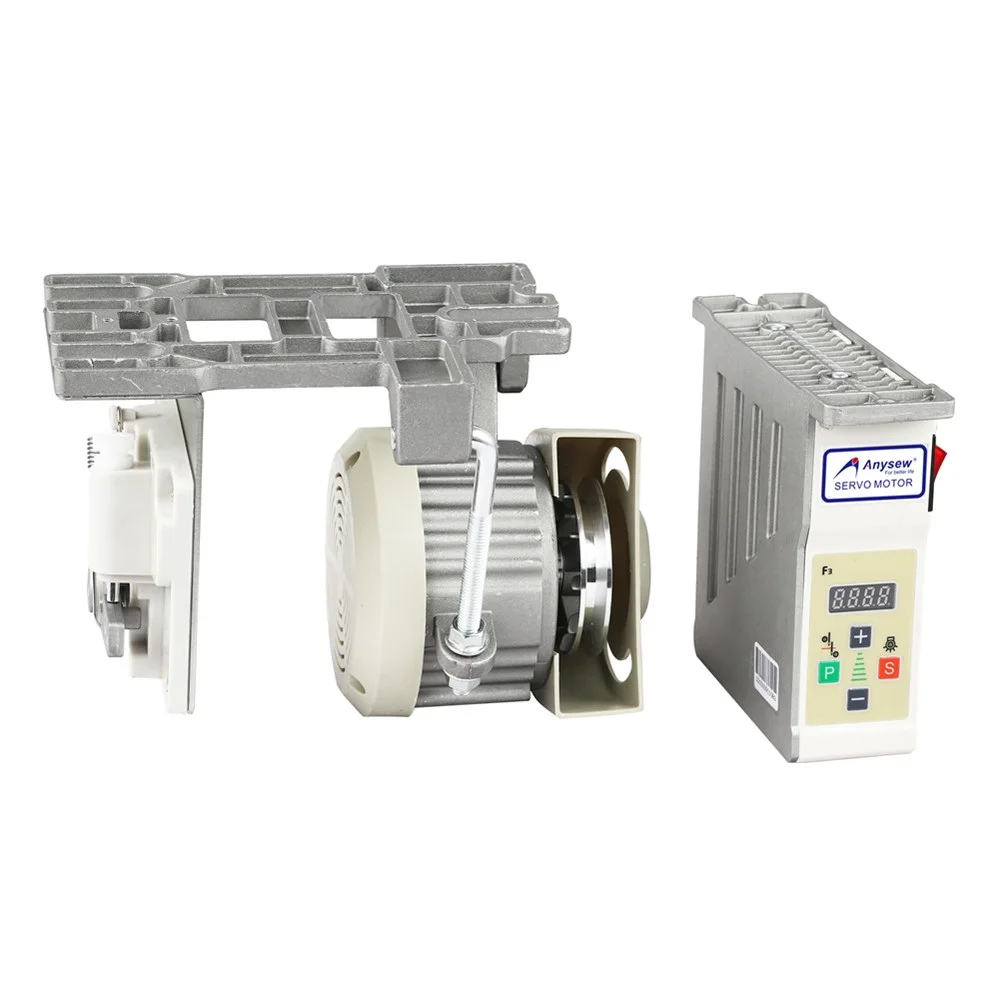
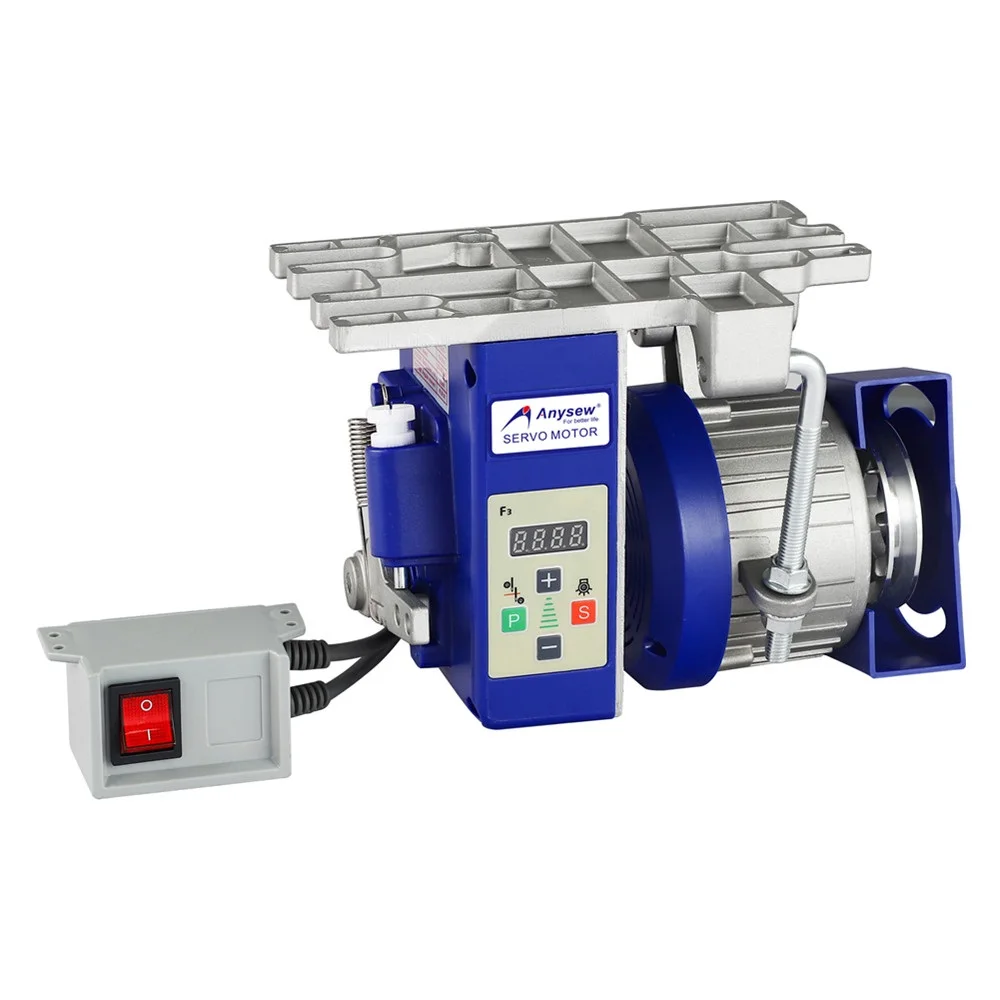
The motor and drive system constitute essential parts of the industrial sewing machine that determine operational speed, power delivery, and production capacity. Industrial motors deliver substantially higher power output than domestic machines, typically ranging from 550 to 750 watts, enabling continuous high-speed operation without overheating or performance loss. These motors feature specialized windings and cooling systems designed for all-day operation in demanding production environments. Modern servo motor technology provides superior control compared to traditional clutch motors, offering precise speed adjustment, instant start-stop response, and significant energy savings. The drive system transfers motor power to the needle bar and other moving components through precision-engineered belts, pulleys, and gear assemblies manufactured to exacting tolerances. This mechanical precision ensures smooth operation at maximum speeds while minimizing vibration and noise. Advanced motor controllers allow operators to program specific speed settings for different operations, ensuring consistent results across production batches. The electronic parts of the industrial sewing machine include position sensors and feedback systems that synchronize motor operation with needle position, enabling precise stopping for accurate work positioning. Energy-efficient motor designs reduce electricity consumption by up to 70 percent compared to older clutch motor systems, providing significant cost savings in high-volume production facilities while reducing environmental impact.

Get a Free Quote

Our representative will contact you soon.
Email
Name
Company Name
Message
0/1000