hook sewing
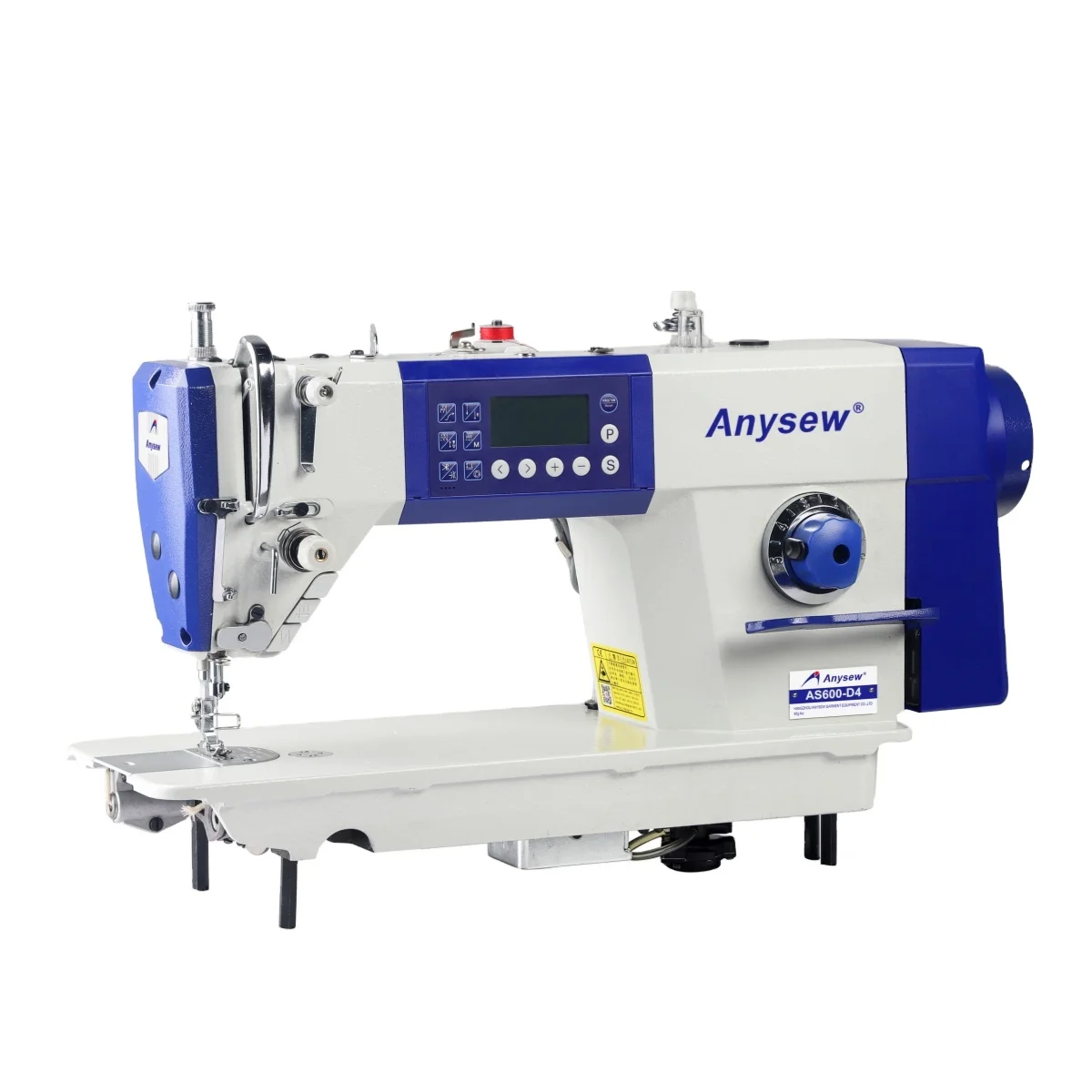
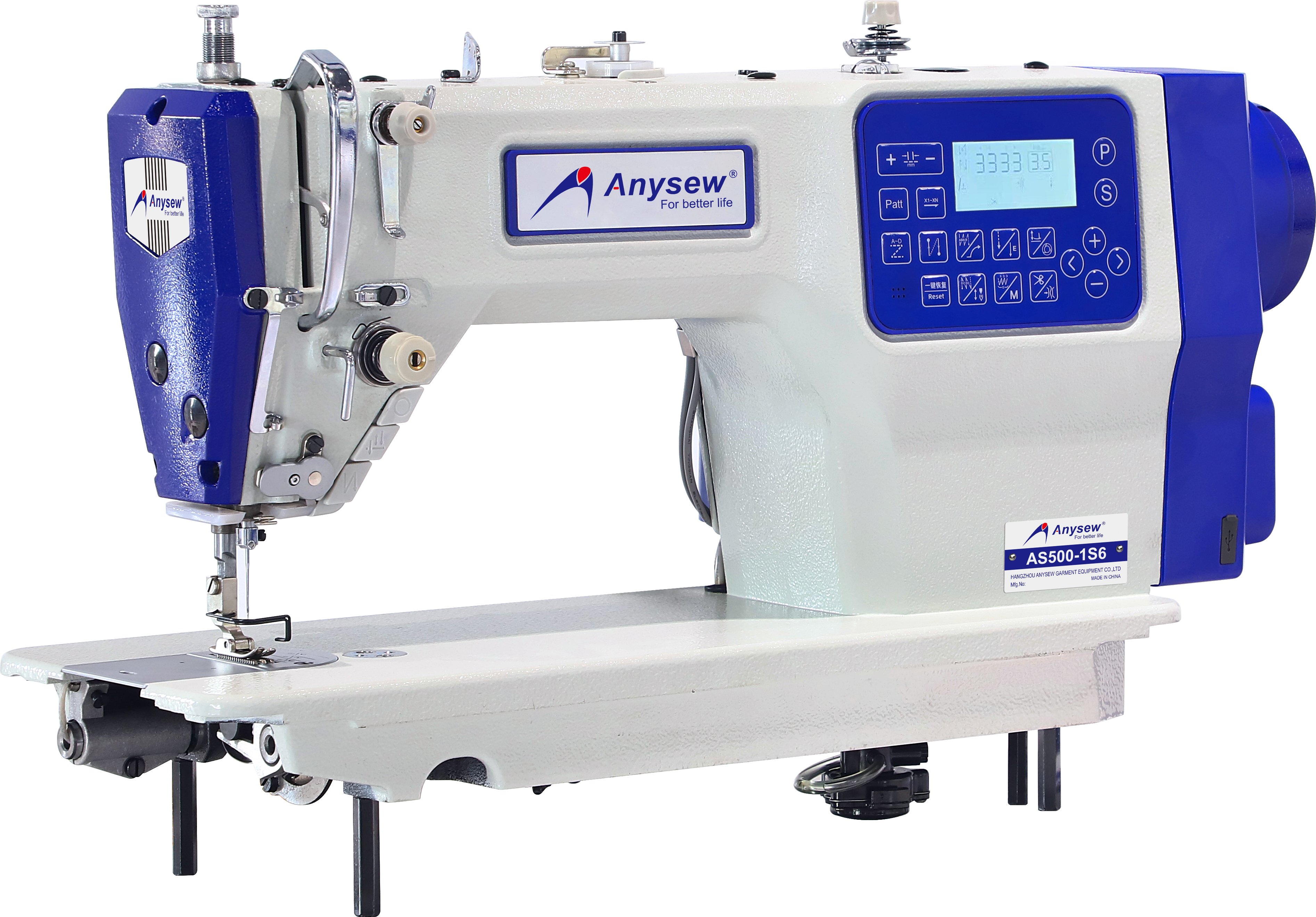
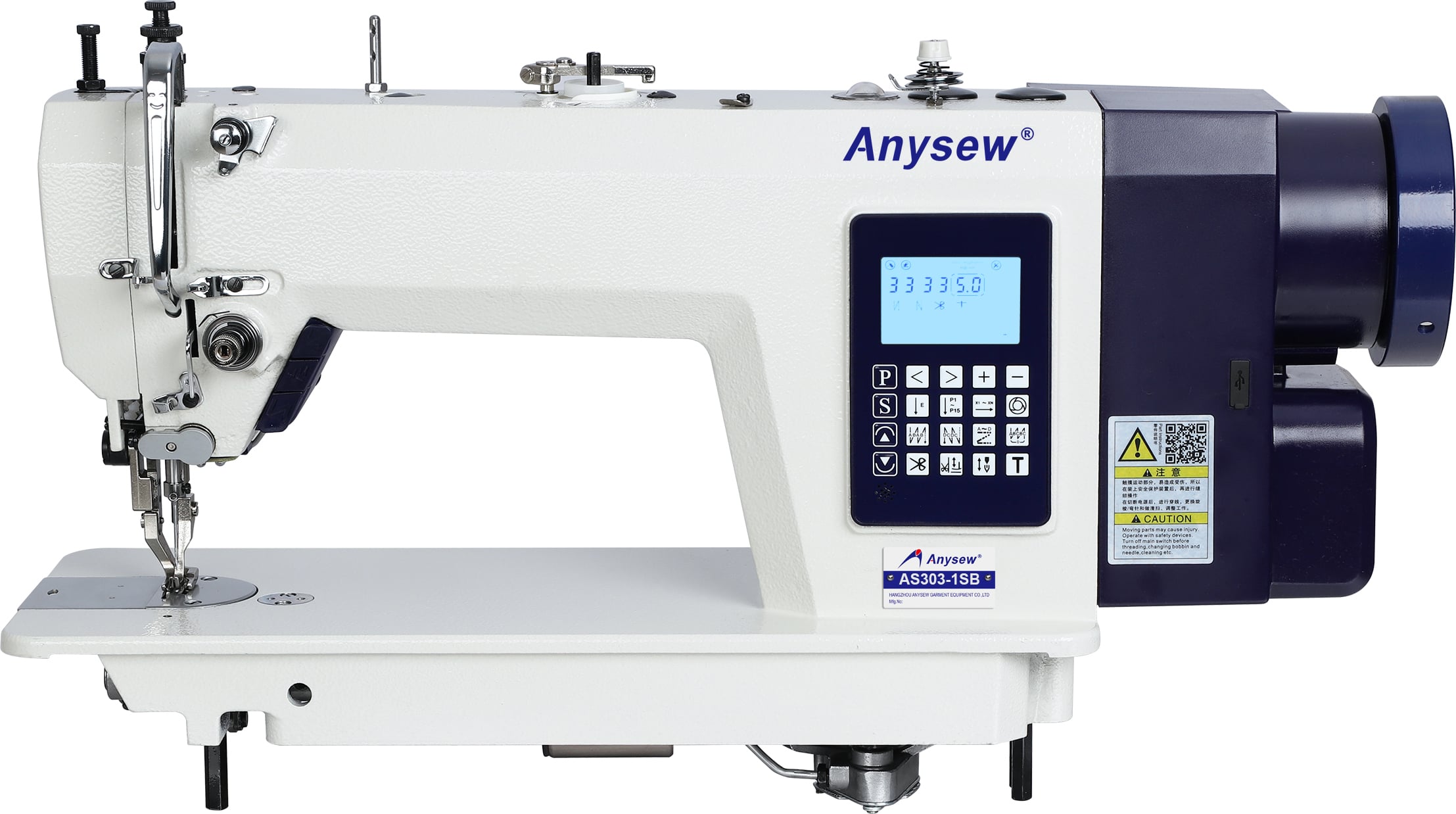
Hook sewing represents a specialized stitching technique that utilizes a rotary hook mechanism to create secure, durable seams in various fabric types and materials. This advanced sewing method employs a precisely engineered hook that loops thread through fabric layers, forming consistent lock stitches that withstand significant tension and wear. The hook sewing process operates through a synchronized mechanism where the needle penetrates the material while the hook captures the thread loop, interlacing it with bobbin thread to produce exceptionally strong seams. Modern hook sewing machines incorporate sophisticated timing systems that ensure perfect coordination between needle movement and hook rotation, delivering professional-quality results across diverse applications. The technology features adjustable stitch parameters, allowing operators to customize seam characteristics based on material thickness, texture, and intended use. Hook sewing applications span multiple industries, including apparel manufacturing, upholstery production, automotive interior fabrication, and technical textile assembly. The method proves particularly effective for heavy-duty materials such as leather, canvas, denim, and synthetic fabrics that require robust seam integrity. Contemporary hook sewing equipment integrates computerized controls that monitor tension, speed, and stitch formation, minimizing defects while maximizing productivity. This stitching approach delivers consistent seam quality regardless of production volume, making it ideal for both small-scale custom work and large-scale manufacturing operations. The versatility of hook sewing technology accommodates various thread types, including cotton, polyester, nylon, and specialized industrial threads, ensuring compatibility with specific project requirements and performance standards.

 EN